Guide · Culture
Famous people of Japan and the places to see them
Sixteen people from anime, games, art, architecture and samurai history, each with a museum, temple or site to visit and last known hours and fees.
Famous people of Japan are easiest to meet through a place: a museum, temple or castle that holds their work or tells their story. This page covers sixteen people in three fields, anime, games and film; art, architecture and design; and samurai, shoguns and rebels. Each card gives one fact with its source, then the place to visit.
Hours, fees and closed days are last known from official pages.
Dollar amounts are approximate, converted at about ¥155 to US$1. You pay in yen, so check the rate.
Anime, games and film
Two of the three have museums with booking rules, so read the visit line before you go.
Hayao Miyazaki (b. 1941)
Director and animator, co-founder of Studio Ghibli. Spirited Away won the Golden Bear at Berlin in 2002 and the Academy Award for animated feature in 2003, per the Berlinale and the Academy. Visit: the Ghibli Museum, Mitaka, Tokyo. Last known: 10:00 to 18:00, adult (19+) ¥1,000 (about $6), closed days on the museum calendar. Ghibli Park, Nagakute, Aichi, charges adults ¥3,300 (about $21) or ¥3,800 (about $25) for a single area. Both need advance reservation. See Ghibli Museum and Park tickets.
Osamu Tezuka (1928-1989)
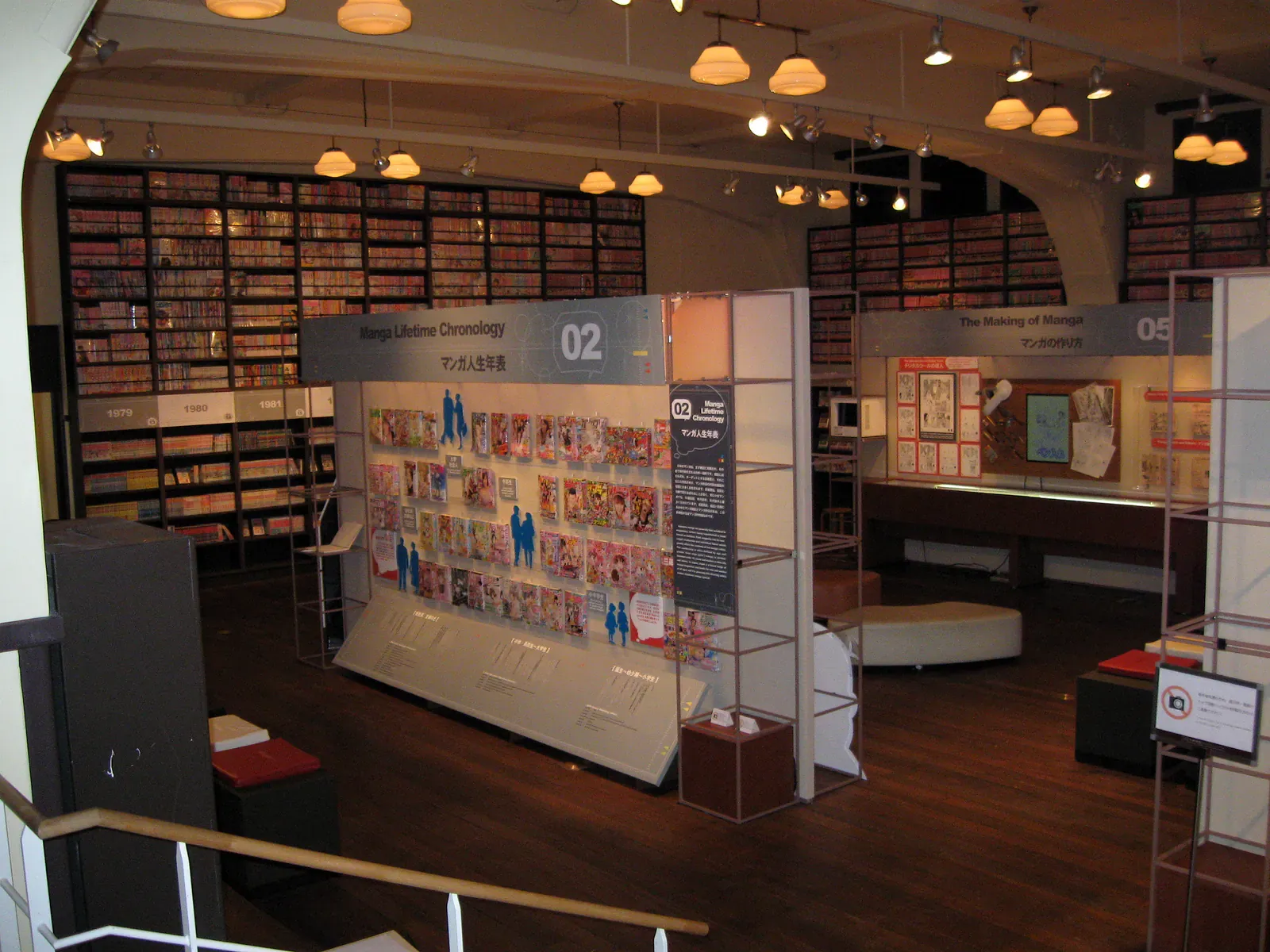
Manga artist and animator, creator of Astro Boy, which his official site calls Japan’s first animated TV series. The same site says that after his wartime experience he aimed to become a physician and later earned his licence, then chose manga and animation. Visit: Takarazuka City Tezuka Osamu Manga Museum, Takarazuka, Hyogo. Last known: 9:30 to 17:00, last entry 16:30, closed Mondays, adult ¥700 (about $5), rising to ¥900 (about $6) from 1 March 2027. It closes from 1 December 2026 to 4 March 2027 for lift renewal and reopens on 5 March 2027, per the museum. No booking rule is stated. More museums: Manga museums in Japan.
Shigeru Miyamoto
Nintendo game designer. In 2012 he received the Asturias Award for Communication and Humanities, and the Princess of Asturias Foundation’s laureate page calls him “the main architect of the revolution in teaching, educational and constructive video games”. Visit: Nintendo’s museum, the Nintendo Museum, Uji, Kyoto. Its page does not name him. Last known: 10:00 to 20:00, adult (18+) ¥3,300 (about $21), closed Tuesdays and 30 December to 3 January. Tickets are by random drawing with a Nintendo Account, entries open three months ahead, and under-12s need an adult.
Art, architecture and design
Some places here need timed or advance tickets, and two sit on Naoshima island in Shikoku.
Katsushika Hokusai (1760-1849)
Ukiyo-e artist known for Thirty-six Views of Mount Fuji, from about 1831, per the Sumida Hokusai Museum. In One Hundred Views of Mount Fuji, in 1834 at age 75, he wrote that if he kept working to 100 and beyond, his pictures would look alive, per the museum. Visit: Sumida Hokusai Museum, Sumida-ku, Tokyo. Last known: Tuesday to Sunday 9:30 to 17:30, last entry about 17:00, closed Mondays (a holiday Monday opens, the next day closes) and 29 December to 3 January. Permanent room ¥400 (about $3), special exhibitions priced per show. No booking rule read.
Utagawa Hiroshige (1797-1858)
Ukiyo-e artist of landscapes, known for the Fifty-three Stations of the Tokaido. Biographies say he came from an Edo fire-brigade household and later left that post to paint full time, though sources differ on when. Visit: Shizuoka City Tokaido Hiroshige Museum of Art, Yui, Shizuoka, is closed for renovation from 1 June 2026 to the end of March 2027, per its site (before that, 9:00 to 17:00, closed Mondays, ¥520 (about $3)). The Nakagawa Town Bato Hiroshige Museum in Tochigi is the other Hiroshige museum; hours and fees vary by show, so check its site.
Yayoi Kusama (b. 1929)
Artist known for dots and pumpkins, whose museum in Shinjuku opened on 1 October 2017, per the museum. Her outdoor Pumpkin at Benesse House Museum on Naoshima was damaged by Typhoon No. 9 on 9 August 2021 and returned to its spot on 4 October 2022, per Benesse. Visit: Yayoi Kusama Museum, Shinjuku, Tokyo. Last known: Thursday to Sunday and national holidays, 11:00 to 17:30, adult ¥1,100 (about $7), closed 28 December 2026 to 6 January 2027. Timed tickets only. Naoshima’s Pumpkin closes on strong-wind days.
Tadao Ando (b. 1941)
Architect who won the Pritzker Prize in 1995. The Pritzker page says he has no architecture degree and taught himself through short stints with designers, reading and study trips to Europe and the US. Visit: Chichu Art Museum, Naoshima, Kagawa. Last known: 10:00 to 17:00, last admission 16:00, closed Mondays, weekday adult ¥2,500 (about $16) online or ¥2,800 (about $18) on site. Reservation by date and time is required.
Kenzo Tange (1913-2005)
Architect and urban planner, Pritzker laureate in 1987. Per the Pritzker page, becoming an architect was beyond his wildest dreams as a boy until Le Corbusier’s work changed that, and his works include Yoyogi National Gymnasium (1964) and Tokyo City Hall (1991). Visit: Yoyogi National Gymnasium, Shibuya, Tokyo. There is no free interior access. The exterior can be viewed from outside, and interior viewing is reportedly by request through the Japan Sport Council on weekdays, so check with it first. No fee is stated.
Taro Okamoto (1911-1996)
Artist, creator of the Tower of the Sun at Expo 1970, per the Expo park office. The tower had a fourth face, Sun of the Underworld, shown in the 1970 basement exhibit. It was removed after the Expo and its whereabouts are still unknown after about 50 years, per the office. Visit: the Tower of the Sun, Expo Commemoration Park, Suita, Osaka. Last known (November 2026): 10:00 to 17:00, no closed days, tower-only adult ¥720 (about $5), park entry extra. Interior needs a reservation by the day before. Taro Okamoto Memorial Museum, Minami-Aoyama, Tokyo: 10:00 to 18:00, closed Tuesdays and 24 to 27 November 2026 for an exhibition change, adult ¥900 (about $6).
More to read
- Three unusual places in Japan and how to visit themOsorezan in Aomori, Doai station in Gunma and the Yumenoshima greenhouse in Tokyo: what each is, how to reach it and the rule to follow when you visit.
- Japan's writers, tea masters and monks, and their placesWriters, a tea master and two founders of Buddhist temples, each with a place to visit and last known hours, fees and booking rules.
- Gion: what you may photograph, what you may notKyoto's official asks, the reported private-lane ban and fine, and ticketed ways to see geiko and maiko without chasing them.
- Hiroshima and Nagasaki museums: hours, fees, booking and closuresAdults pay about ¥200 (about $1) at each museum. Nagasaki's Section C is closed from 24 November 2026 to about March 2027; Hiroshima closes 15 to 20 February 2027.
- Japan's culture and traditions: what to see, what it costs, what the rules areHow a visitor meets Japan's traditions: dated shows, tournaments and festivals, last-known prices and the etiquette rules, theme by theme.
Samurai, shoguns and rebels
Seven people from the third century to 1877. Dates are as the sources give them, and one figure here is known from Chinese records rather than Japanese ones. For castles, see Samurai, castles and history.
Himiko (early 3rd century)
Queen of Yamatai who sent envoys to Wei China in 239 and 240, per the Tokyo National Museum. She is known from Chinese records, not Japanese ones, and where Yamatai lay is unsettled: northern Kyushu or the Kinai region, per Britannica. Visit: Yoshinogari Historical Park, Saga, a Yayoi-era settlement from her era. Its page does not name her. Last known: 9:00 to 17:00 (to 18:00 from 1 June to 31 August), adult (15+) ¥460 (about $3), closed 31 December and the third Monday and Tuesday of January. Background: Jomon and Yayoi Japan.
Prince Shotoku (574-622)
Regent credited with founding Horyu-ji in 607 and the 12-rank court system, per the Tokyo National Museum. The museum says the Shotoku people inherit blends history, mythology and faith, and Britannica says authorship of the Seventeen Article Constitution is disputed. Visit: Horyu-ji, Ikaruga, Nara, where the Yumedono stands on the site of his palace. Last known: 8:00 to 17:00 from 22 February to 3 November, 8:00 to 16:30 otherwise, adult ¥2,000 (about $13). Closed days and booking are not stated. See Asuka and Nara.
Minamoto no Yoritomo (d. 1199)
Founder of the Kamakura shogunate, who took the title seii taishogun in 1192, per Britannica, though the date varies by account. In October 1180 he moved the family Hachiman shrine to its present site in Kamakura, per the shrine’s official pages. It was first founded in 1063 by his ancestor Minamoto Yoriyoshi. Visit: Tsurugaoka Hachimangu, Kamakura, Kanagawa. Last known: grounds 6:00 to 20:00, no fee found. Treasure Hall 9:00 to 16:00, adult ¥200 (about $1), no regular closed day but closed between exhibitions. See The Kamakura period.
Tokugawa Ieyasu (d. 1616)
Won the power struggle after Hideyoshi and became shogun, per Britannica. Nikko Toshogu’s official page says he died in 1616 at Sunpu and was first buried on Kunozan, then by his will moved to Nikko in 1617, and that Iemitsu rebuilt the present buildings in 1636. Visit: Nikko Toshogu, Nikko, Tochigi. Last known: 9:00 to 17:00 from April to October, 9:00 to 16:00 from November to March, entry ends 30 minutes earlier, adult ¥1,600 (about $10) per earlier notes of the official page, so check the fee. Closed days are not stated. See Tokyo, Kamakura and Nikko temples and shrines.
Sakamoto Ryoma (d. 1867)
Helped broker the 1866 Satsuma-Choshu alliance, key to the 1868 Restoration, per Britannica. His last known letter is dated two days before his death and concerns a katana, per the Sakamoto Ryoma Memorial Museum, which says he was killed by an unknown assailant. Visit: Kochi Prefectural Sakamoto Ryoma Memorial Museum, Kochi. Last known: 9:00 to 17:00, entry by about 16:30, no regular closed days (exhibit rooms may close). Adult (18+) ¥900 (about $6) during special exhibitions, ¥500 (about $3) otherwise.
Saigo Takamori (1828-1877)
Satsuma leader who helped form the 1866 alliance and resigned as army general in September 1873, per Kagoshima Prefecture material. He spent 18 months in exile on Okinoerabu, where the island museum shows a replica of his cell, per the Kagoshima Prefectural Visitors Bureau. He died at Shiroyama in September 1877, at the end of the Satsuma Rebellion, per the prefecture material. Visit: Saigo Nanshu Memorial Hall, Kagoshima. Last known: 9:00 to 17:00, closed Mondays (next weekday after a holiday) and 29 December to 1 January, adult ¥400 (about $3). See Kyushu.
Ino Tadataka (d. 1818)
Surveyor who walked Japan from 1800 to 1816, starting at 56 after studying astronomy in Edo, per the National Diet Library. He died before the map was done, and the Dai Nihon Enkai Yochi Zenzu went to the shogunate in 1821, per the Library. Visit: Ino Tadataka Museum, Katori, Chiba. Last known: 9:00 to 16:30, closed Mondays (next weekday after a holiday) and 29 December to 1 January, adult ¥500 (about $3), cash or PayPay only. Fees may change per exhibition. See Kanto.
Where next?
More people and places: writers, tea masters and monks, inventors, scientists and athletes, modern Japan’s people and Ainu and Ryukyu figures. Read the culture hub for traditions and history, the anime and manga hub for studios and venues, and Manga museums in Japan for Tezuka’s museum and others. For Ieyasu and the shoguns, see Samurai, castles and history and Kyoto temples and shrines.
Questions
- Every answer starts with
- Yes
- No
- Depends
- Not yet
- Fact
Where can I see Hokusai's work in Tokyo?
At the Sumida Hokusai Museum in Sumida-ku. Last known, it is open Tuesday to Sunday, 9:30 to 17:30, closed Mondays and 29 December to 3 January. The permanent room costs ¥400 (about $3), and special exhibitions are priced per show.
Do I need a ticket in advance for the Ghibli Museum?
Yes. The museum sells advance reservations only and none at the door. Next month's tickets go on sale at 10:00 JST on the 10th, through Lawson Ticket, and resale is banned.
Is the Tezuka Osamu Manga Museum open now?
It closes from 1 December 2026 to 4 March 2027 and reopens on 5 March 2027, per the museum page. The adult fee rises from ¥700 (about $5) to ¥900 (about $6) from 1 March 2027.
Where can I visit a site tied to Tokugawa Ieyasu?
Nikko Toshogu in Tochigi, where, per its official page, he was moved by his will in 1617 after dying in 1616. Last known hours are 9:00 to 17:00 from April to October and 9:00 to 16:00 from November to March.
By random drawing. You need a Nintendo Account and a credit card, the name on the ticket must match your ID, and entries open three months ahead. Resale is banned.
Related topics
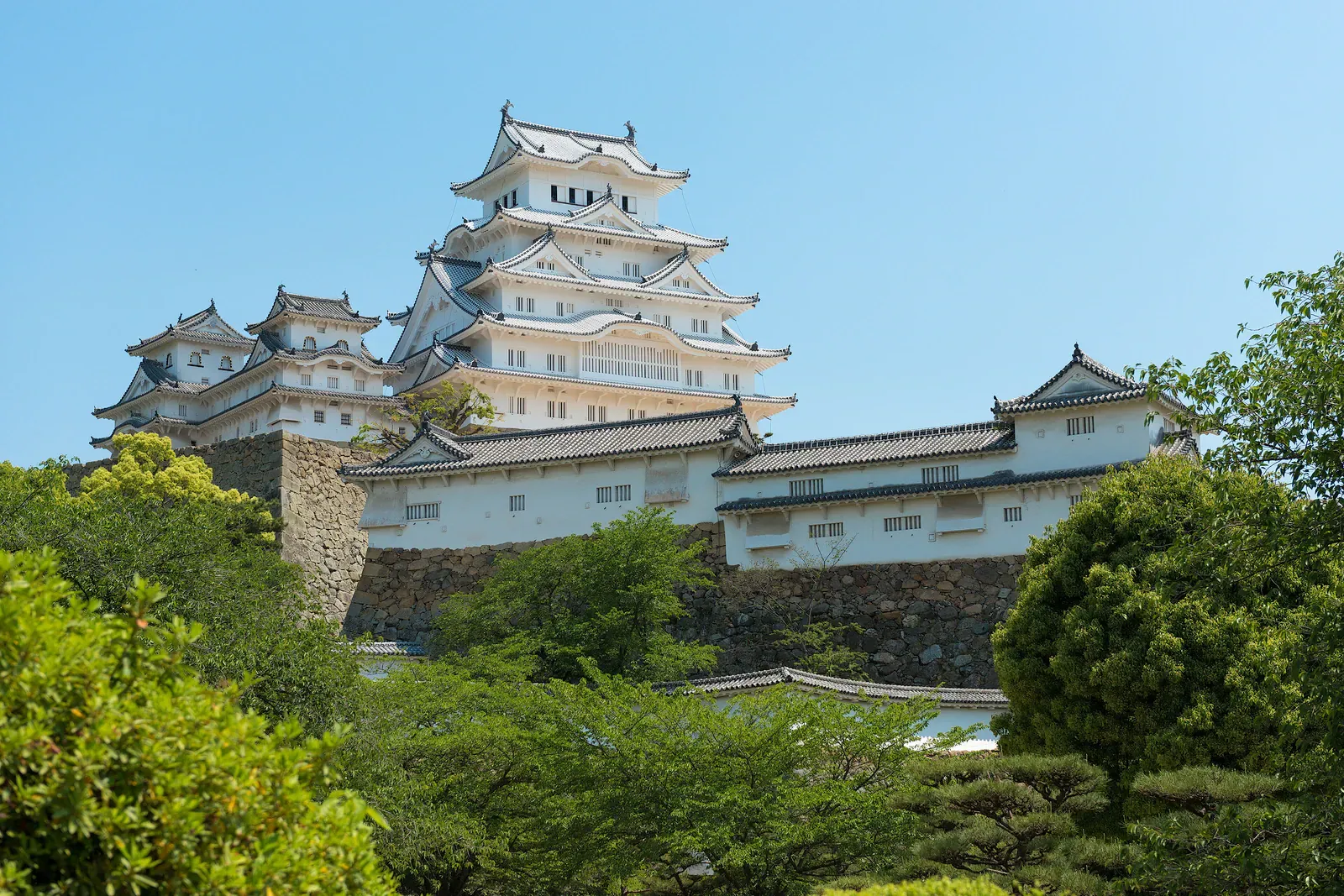
- CultureSamurai castles and history: fees, hours and winter statusHimeji is ¥2,500 (about $16) and closes 29 and 30 December. Matsumoto's fee is unclear right now. Kakunodate keeps two samurai houses open in winter.
- CultureModern Japan's people and the places that tell their storiesSeven people from government, business, diplomacy, war memory and manga, each with a museum, shrine or residence to visit and last known hours and fees.
- CultureJapan's inventors, scientists and athletes, and their placesSeven people and one dog from business, science, everyday life and sport, each tied to a place you can visit, with last known hours and fees.
More from Anime and manga
Anime and mangaManga museums in Japan: Kyoto, Takarazuka and Kitakyushu comparedHours, closed days and prices for the Kyoto, Takarazuka, Kitakyushu and Yokote manga museums, a free Tokyo anime museum and Ghibli Museum tickets.