No.04 - Wild and Trek
Wild and Trek Japan, with the rules
Wildlife, ocean and hiking in Japan by season: when to go, what to book and what shuts in winter, from snow monkeys and drift ice to Fuji and the Alps huts, with bear and volcano safety.
Guides
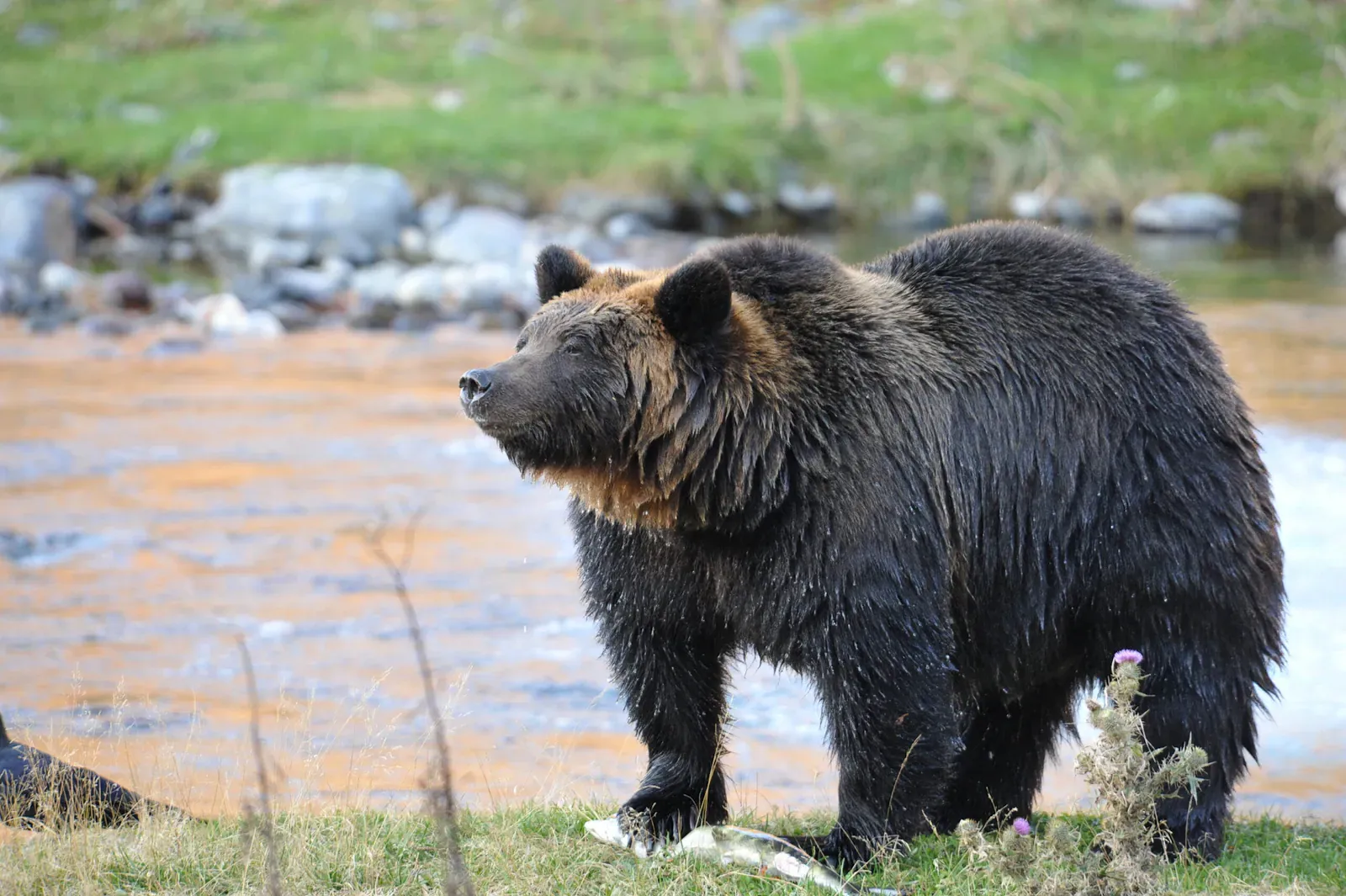 Wild and TrekBear safety in Japan: where the risk is, what to carryBear safety in Japan from the Ministry of the Environment: where bears live, FY2025 record figures, trail rules, what to do at each distance and bear spray.
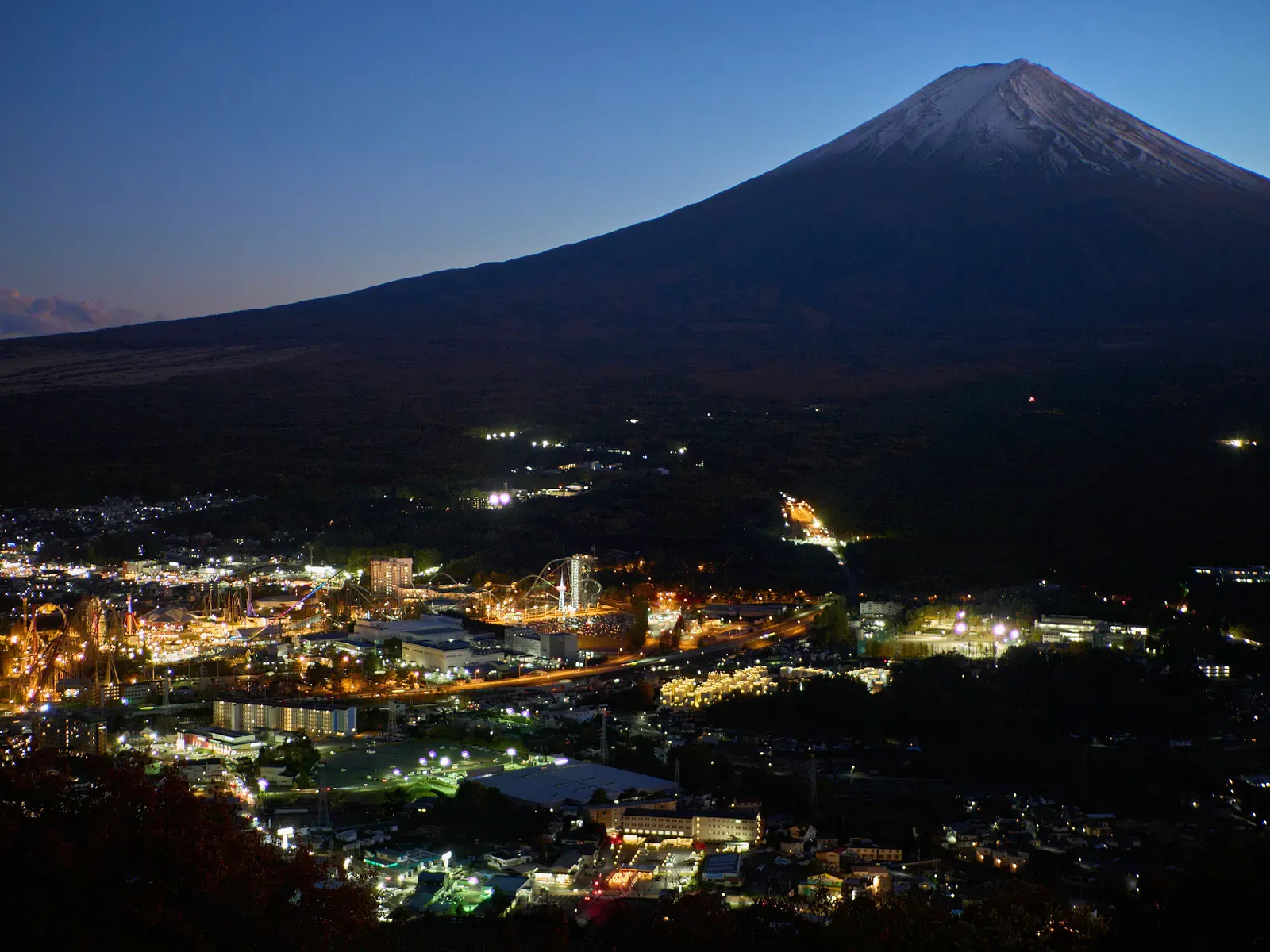 Wild and TrekClimbing Fuji: 2026 season, fee and gate rulesMt Fuji 2026 rules: dates by trail, the $26 (¥4,000) fee, the Yoshida cap of 4,000 and 14:00 to 03:00 gate, Shizuoka FUJI NAVI. 2027 dates not announced.
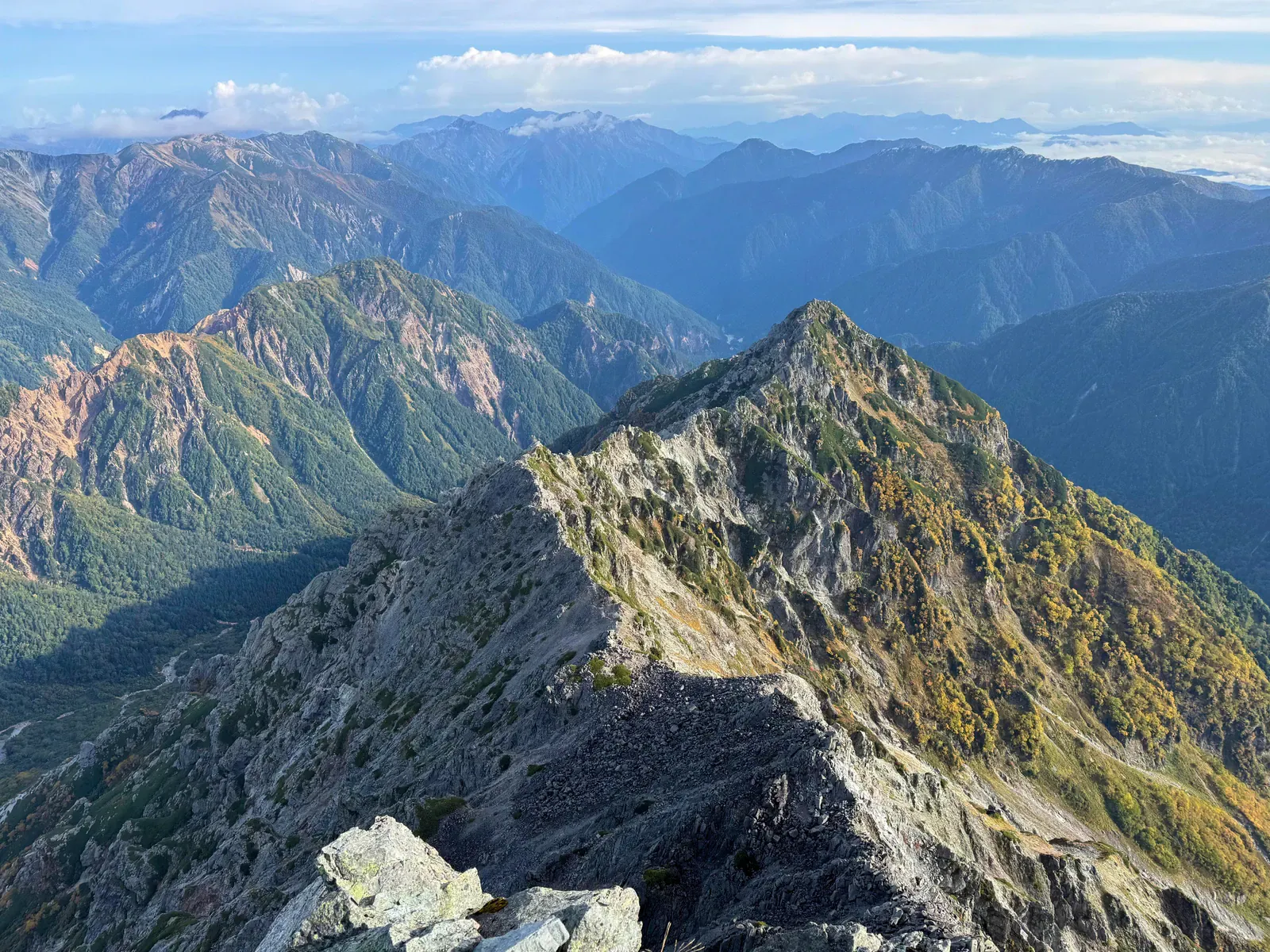 Wild and TrekClimbing the Japan Alps beyond Fuji: huts and routesJapan Alps climbing in 2026: Yarigatake hut season and $105 (¥16,000) price, Tateyama route 15 Apr to 30 Nov, Kamikochi closing, and Nagano's climbing plan.
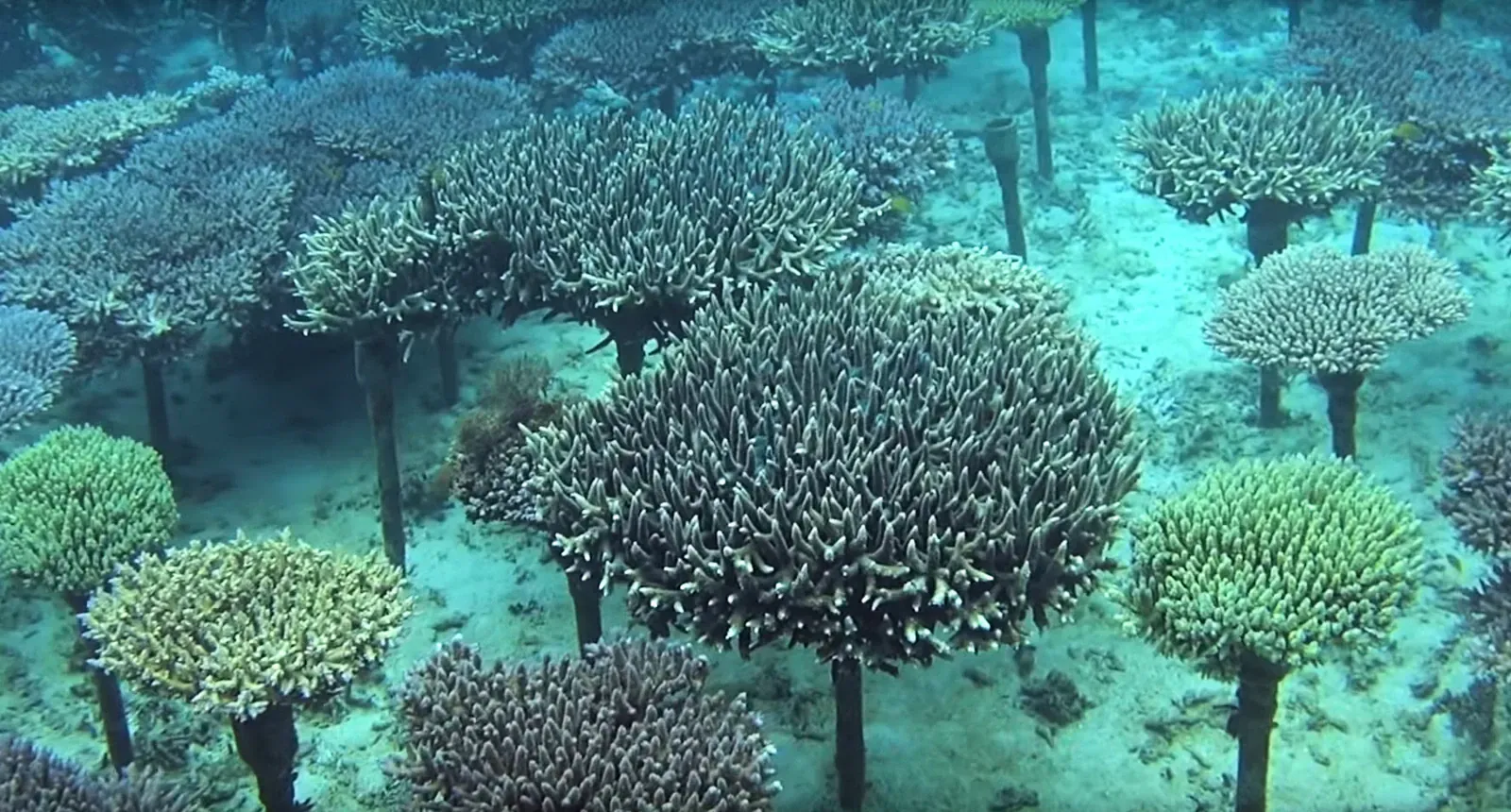 Wild and TrekDiving in Japan by region: Okinawa and OgasawaraDiving in Japan by region: Ogasawara dive prices, card levels operators set, Ishigaki prices, Yonaguni hammerheads and the Rausu drift ice dive.
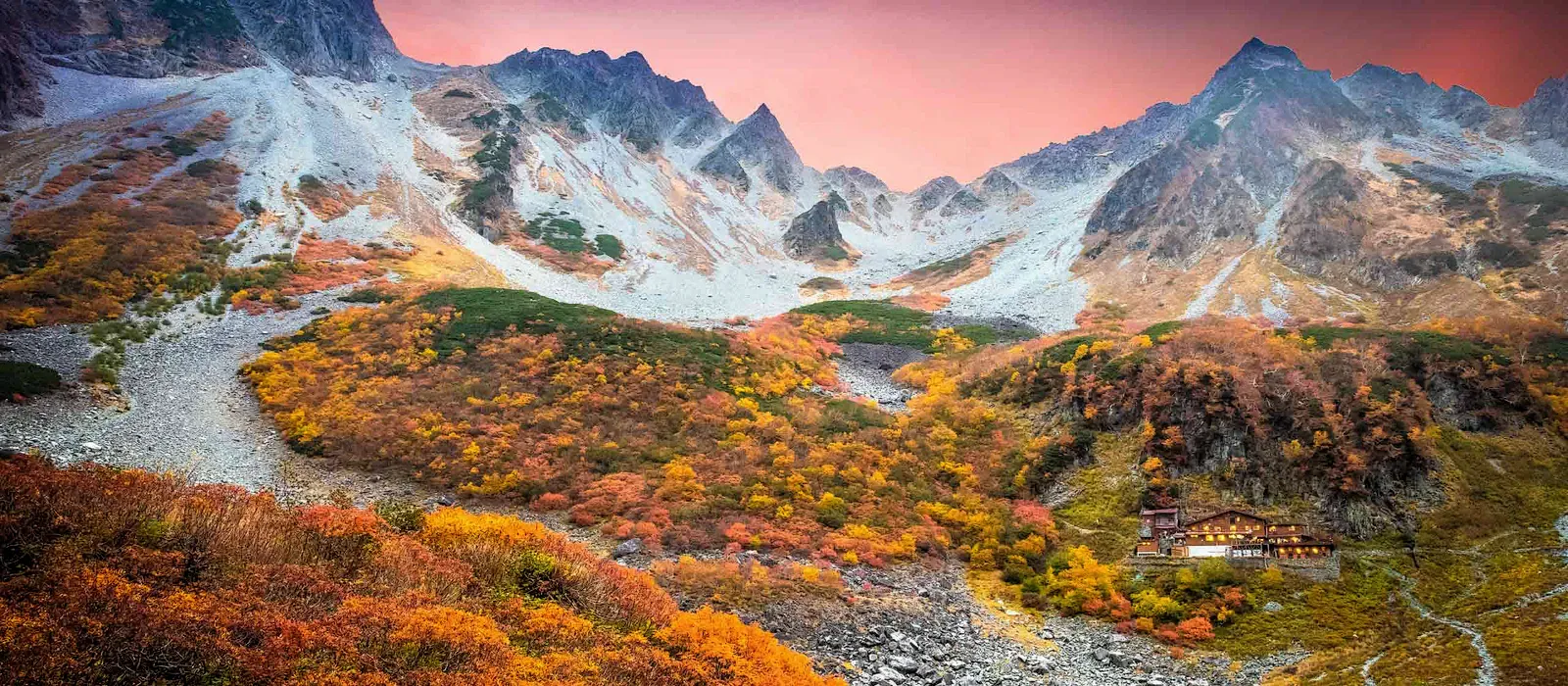 Wild and TrekHiking trails in Japan by region: booking and rulesJapan's main hiking trails by region with length, season and rules: Nakasendo, Kumano Kodo, Daisetsuzan, Yakushima, Shiretoko Five Lakes and the Alps.
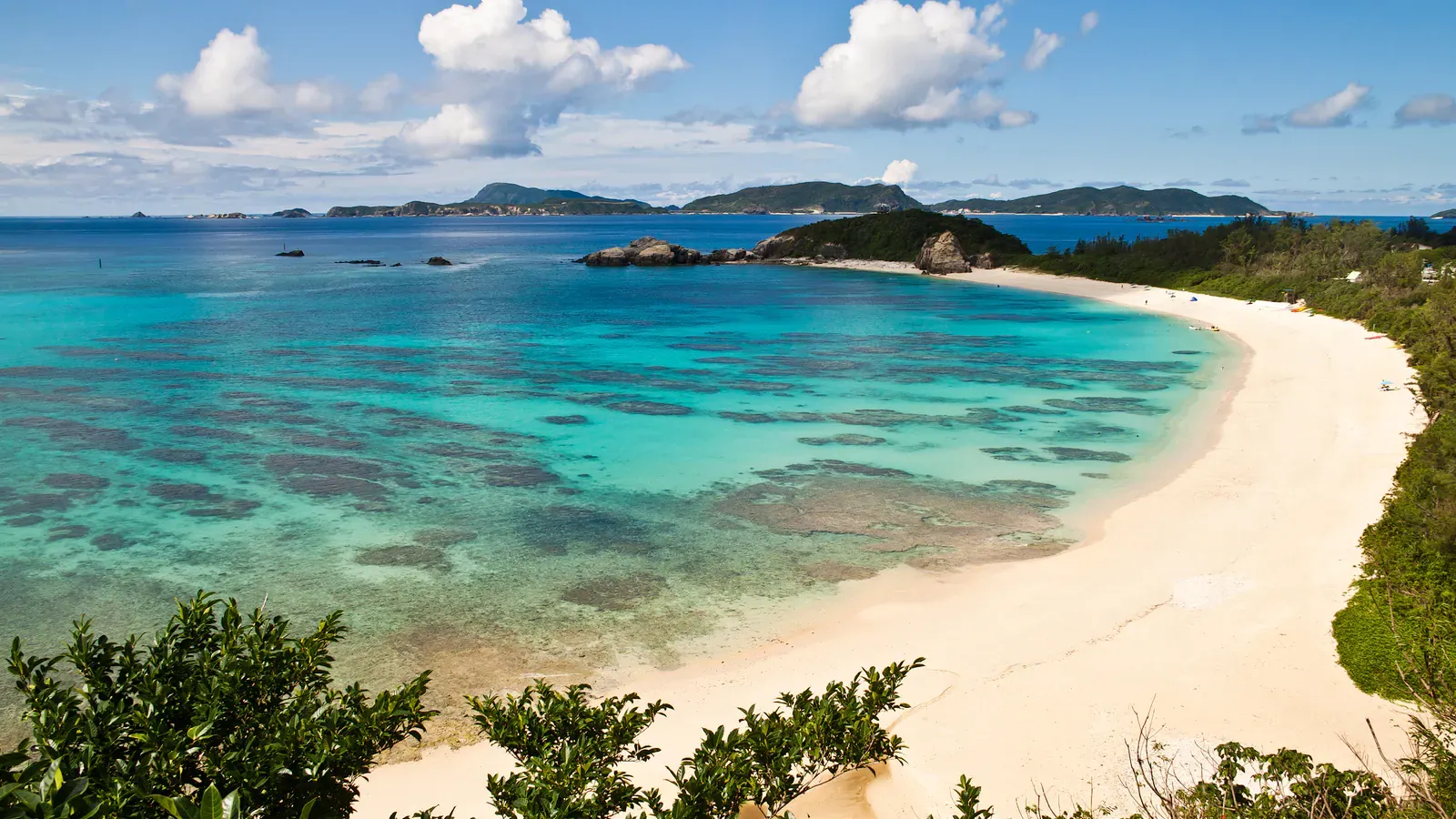 Wild and TrekJapan beaches by region: 2026 swim dates and safety2026 swim dates for Okinawa, Fujisawa, Kamakura and Shimoda beaches, the box jellyfish net rule in Okinawa, and what JNTO says about tattoos.
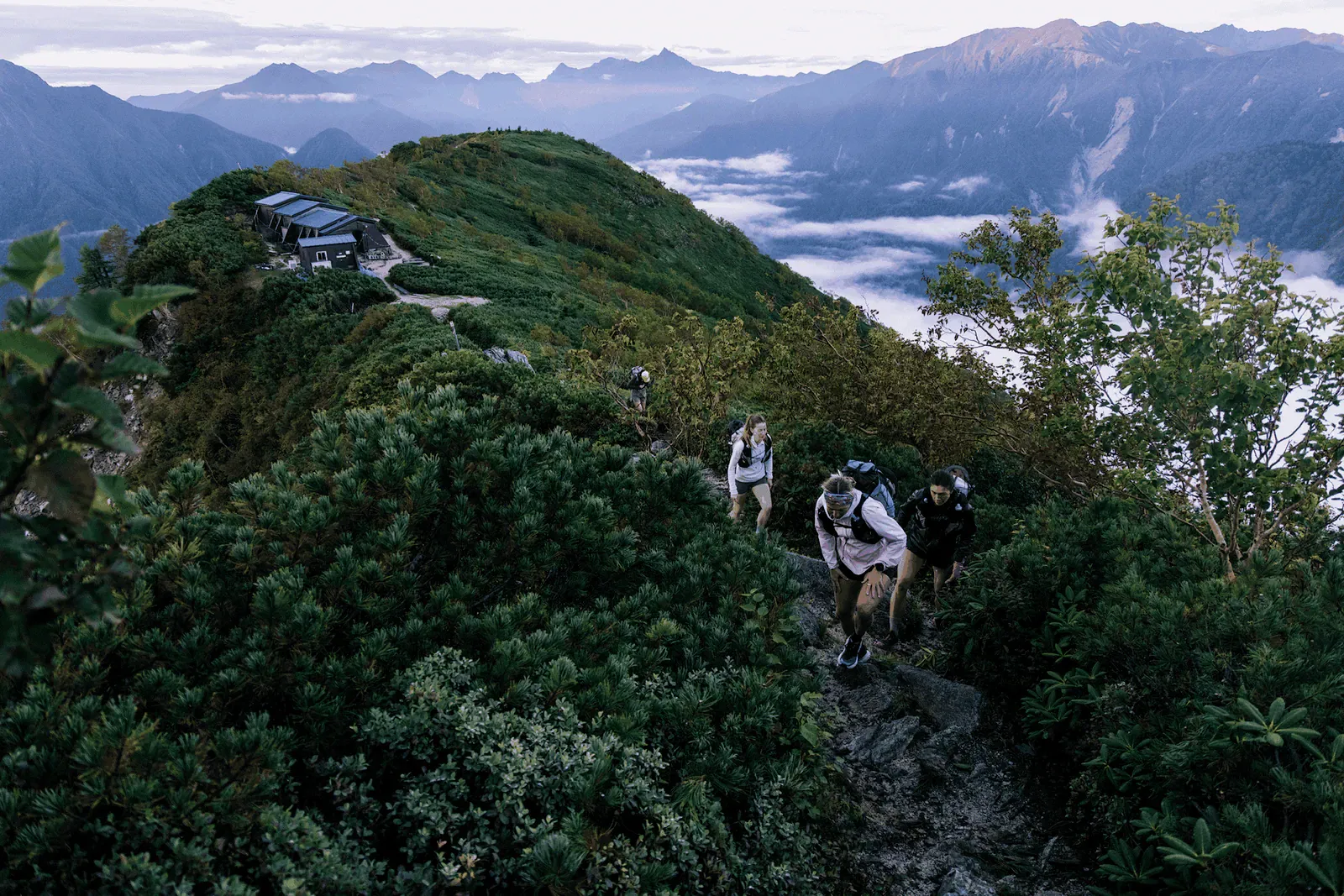 Wild and TrekJapan outdoors by season: volcanoes, whales, hiking, FujiJapan's wild side by season: volcano checks, whales by month, 2026 beach dates, trail bookings, Fuji and Alps rules, hut prices and bear safety.
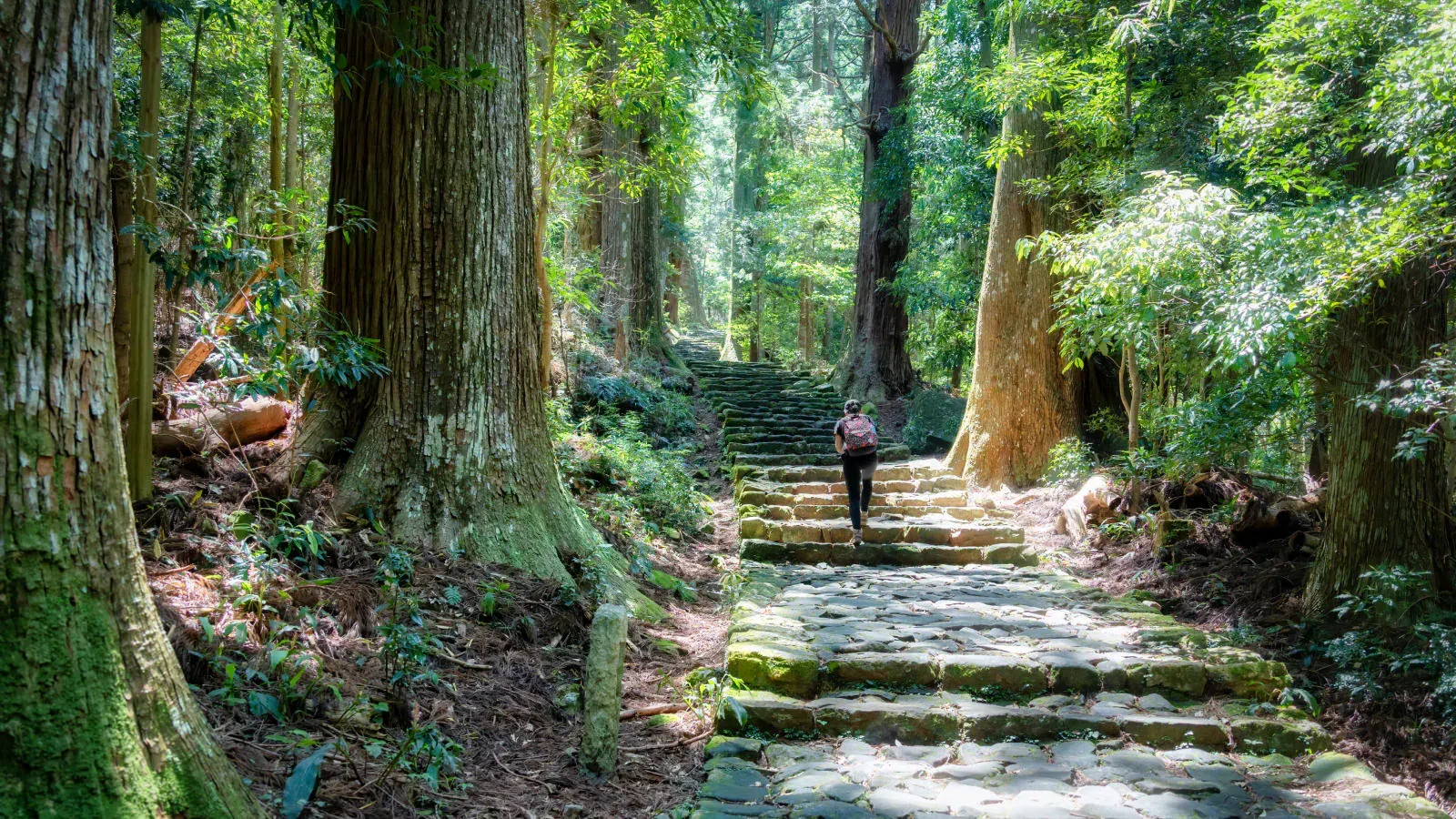 Wild and TrekKumano Kodo booking: lodging, luggage and stage lengthsKumano Kodo booking order: lodging 6 months ahead, online cutoff 20 days out, Nakahechi stages of 7.5 to 25 km, luggage shuttle, Kohechi closure and bears.
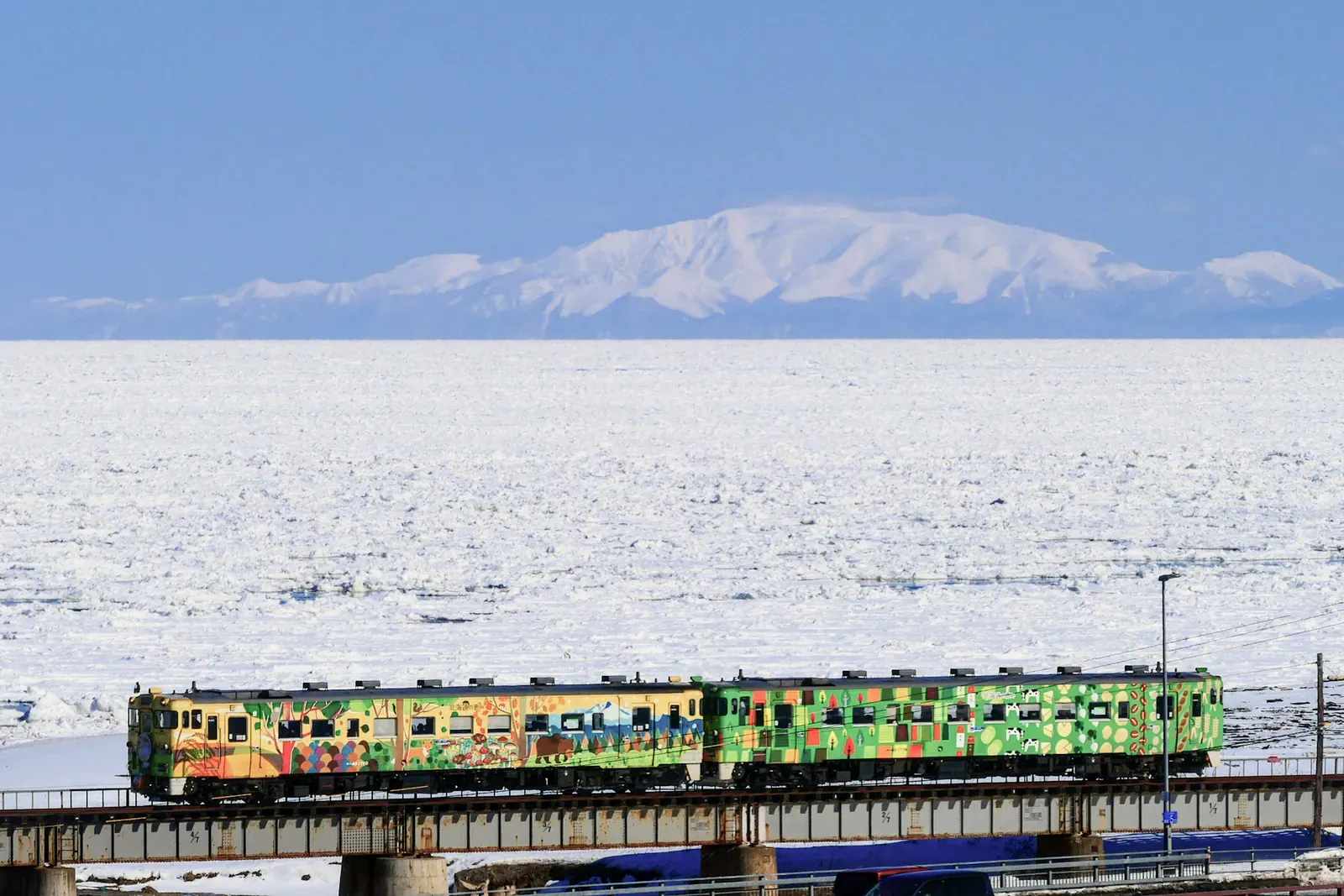 Wild and TrekShiretoko drift ice: best time, walk vs cruise, no promisesShiretoko drift ice best time: the 2026 Shinra walk season and price, Rausu cruises, age, height and weight limits and winter buses.
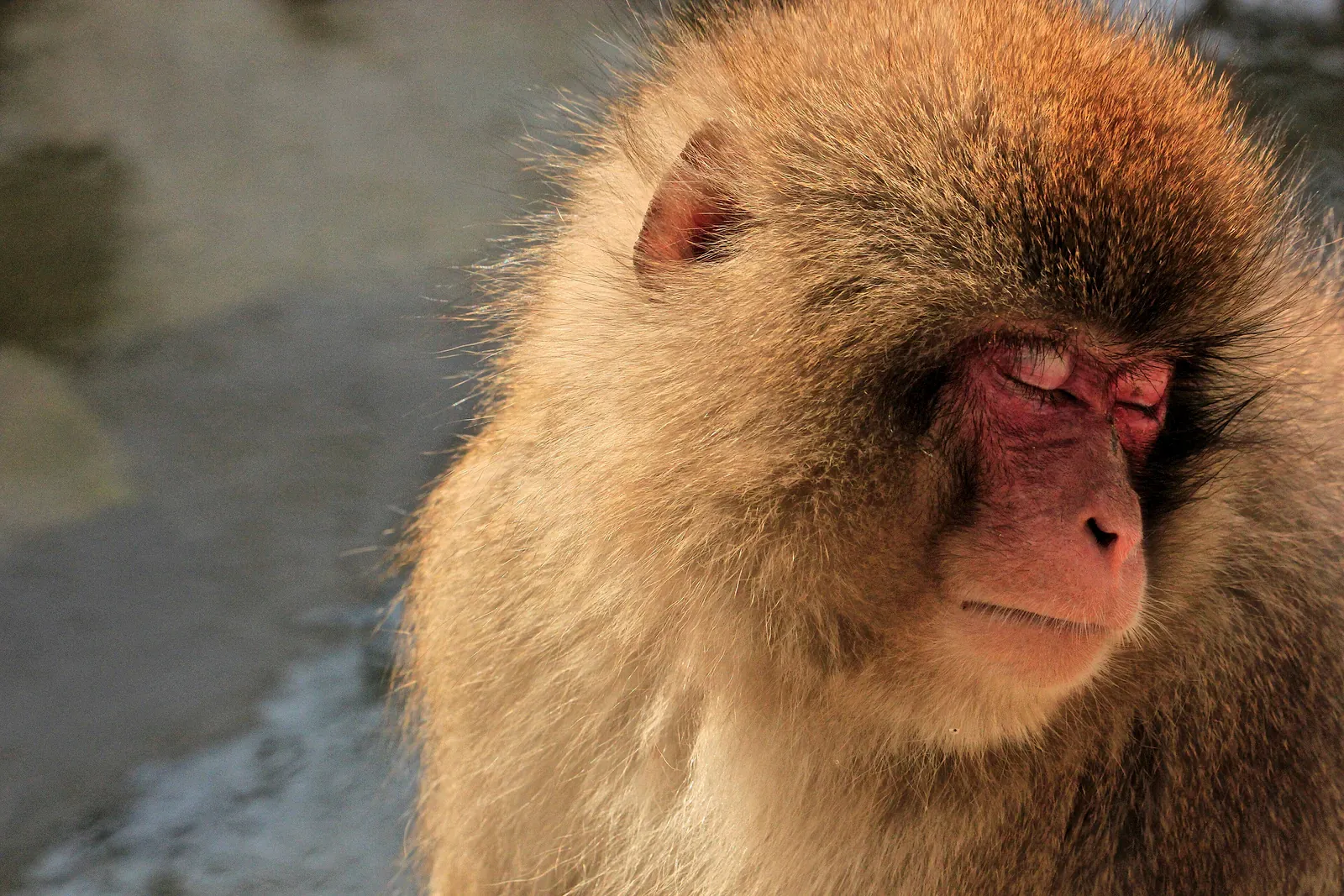 Wild and TrekJigokudani snow monkeys in winter: how to get thereJigokudani snow monkeys in winter: Nagano bus, 2 km trail, online tickets since 6 Aug 2026, fees from 1 Dec 2026 and what to check before you walk in.
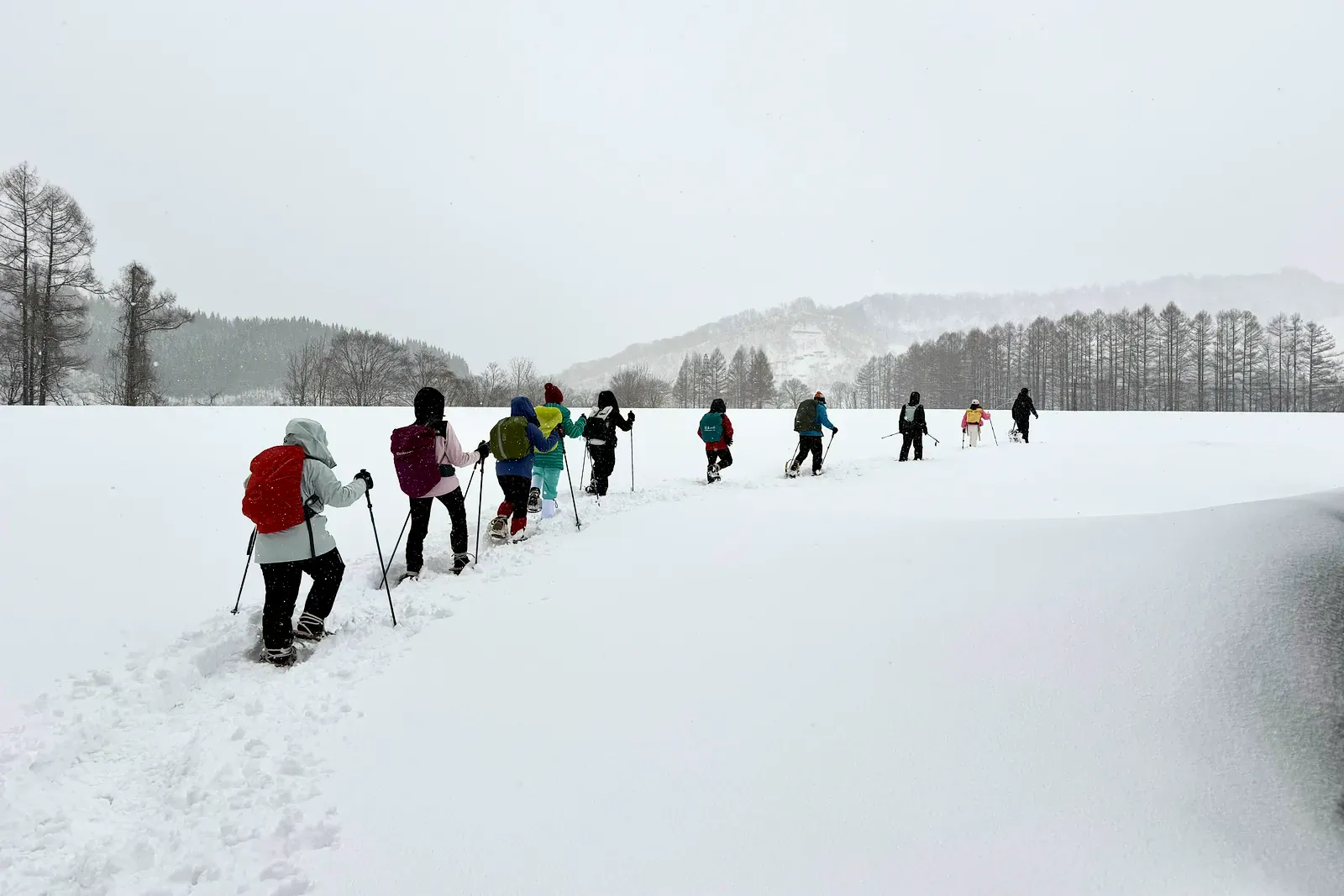 Wild and TrekWinter trekking in Japan: what is open and what is shutWinter trekking in Japan by place: Kamikochi shut from 16 Nov, Kohechi mid-Dec to mid-Mar, Tateyama after 30 Nov, Nakahechi and Jigokudani open.
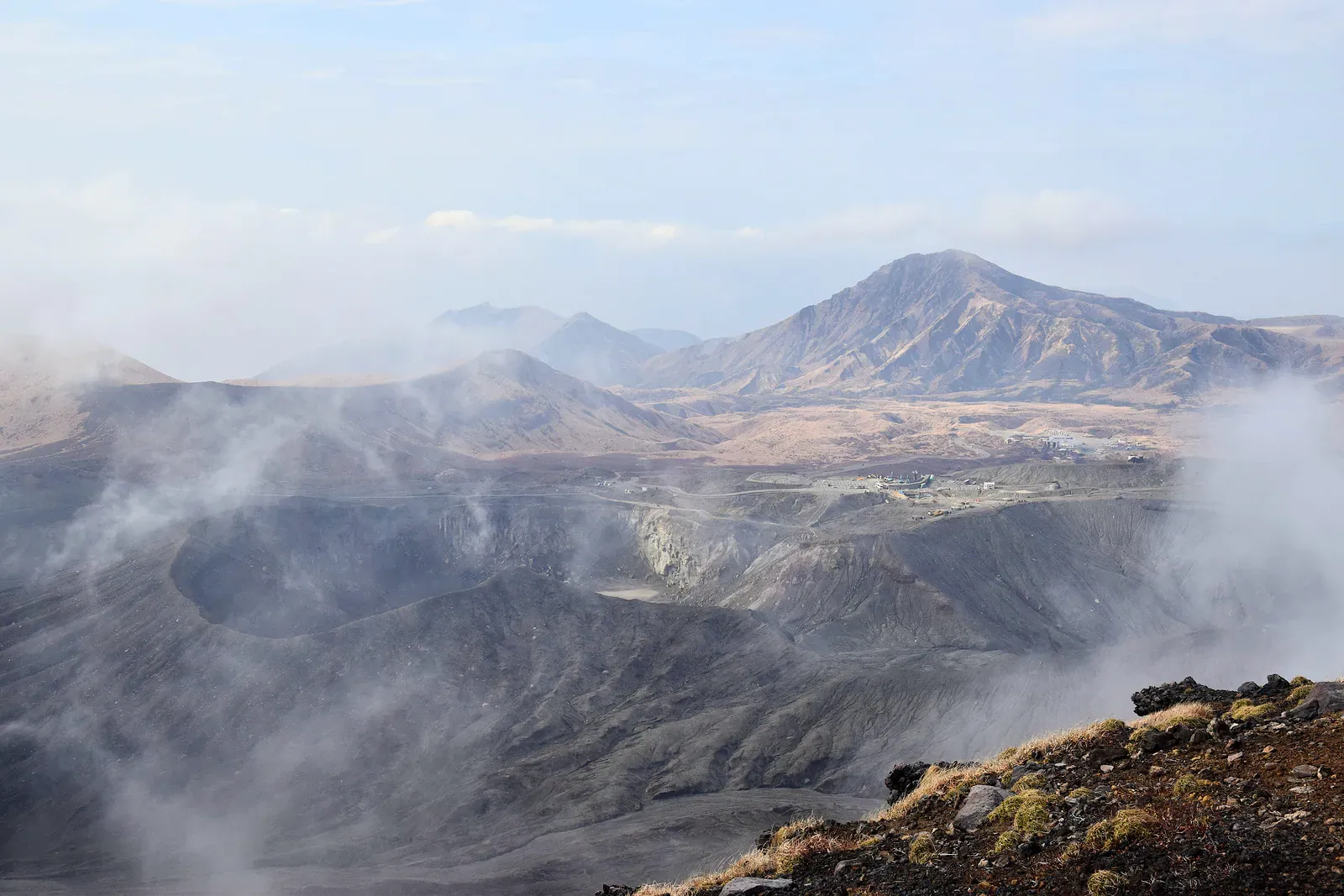 Wild and TrekVisiting active volcanoes in Japan: access and safetyWhich active volcanoes you can reach in Japan: Sakurajima's 2 km rule, Aso, Hakone's gas limits and the Fuji season, and where to check JMA alert levels.
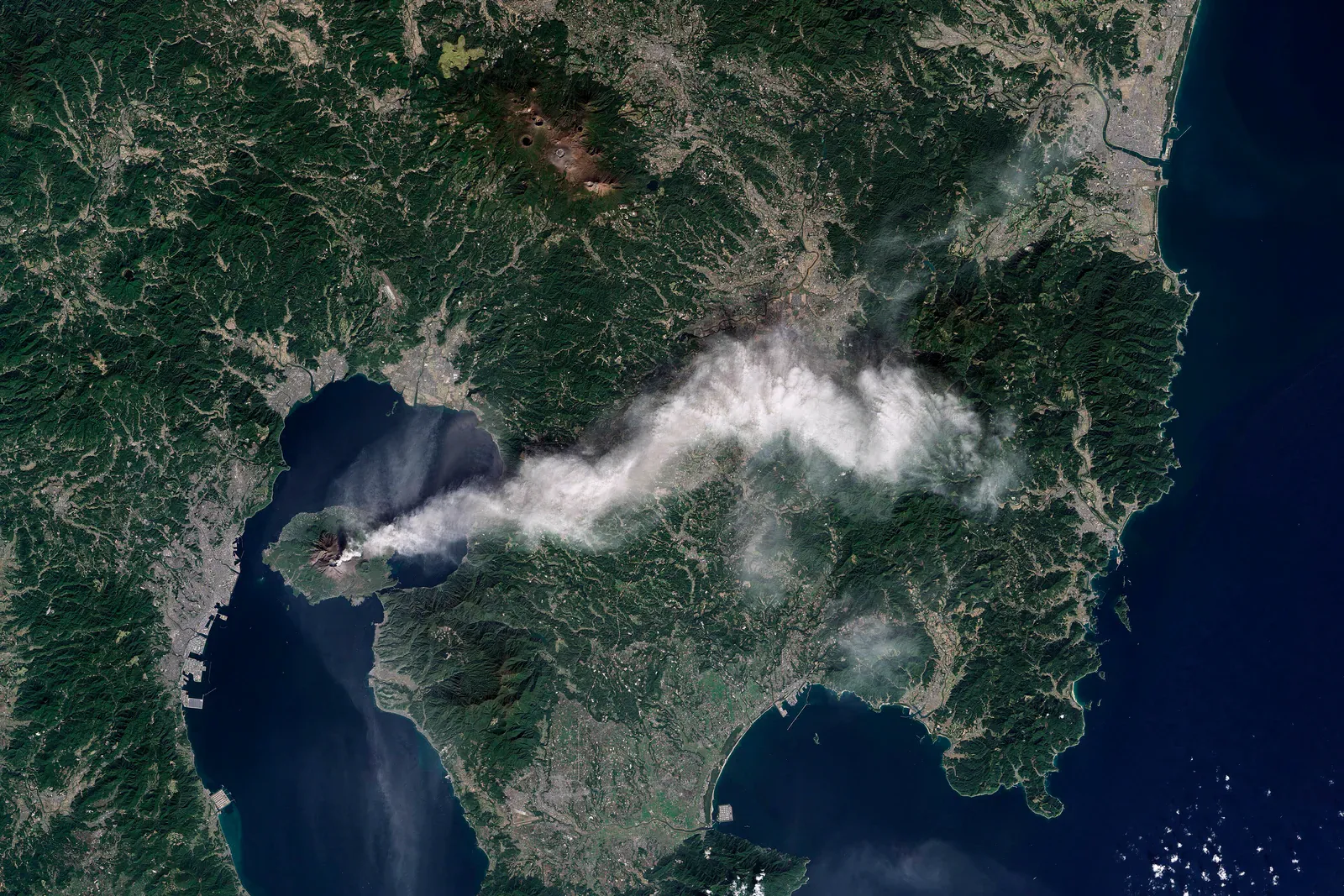 Wild and TrekVolcano alert levels in Japan, and where to check themHow Japan's five volcano alert levels work, where to check them on the JMA site, plus the Sakurajima 2 km rule and Hakone ropeway gas and health rules.
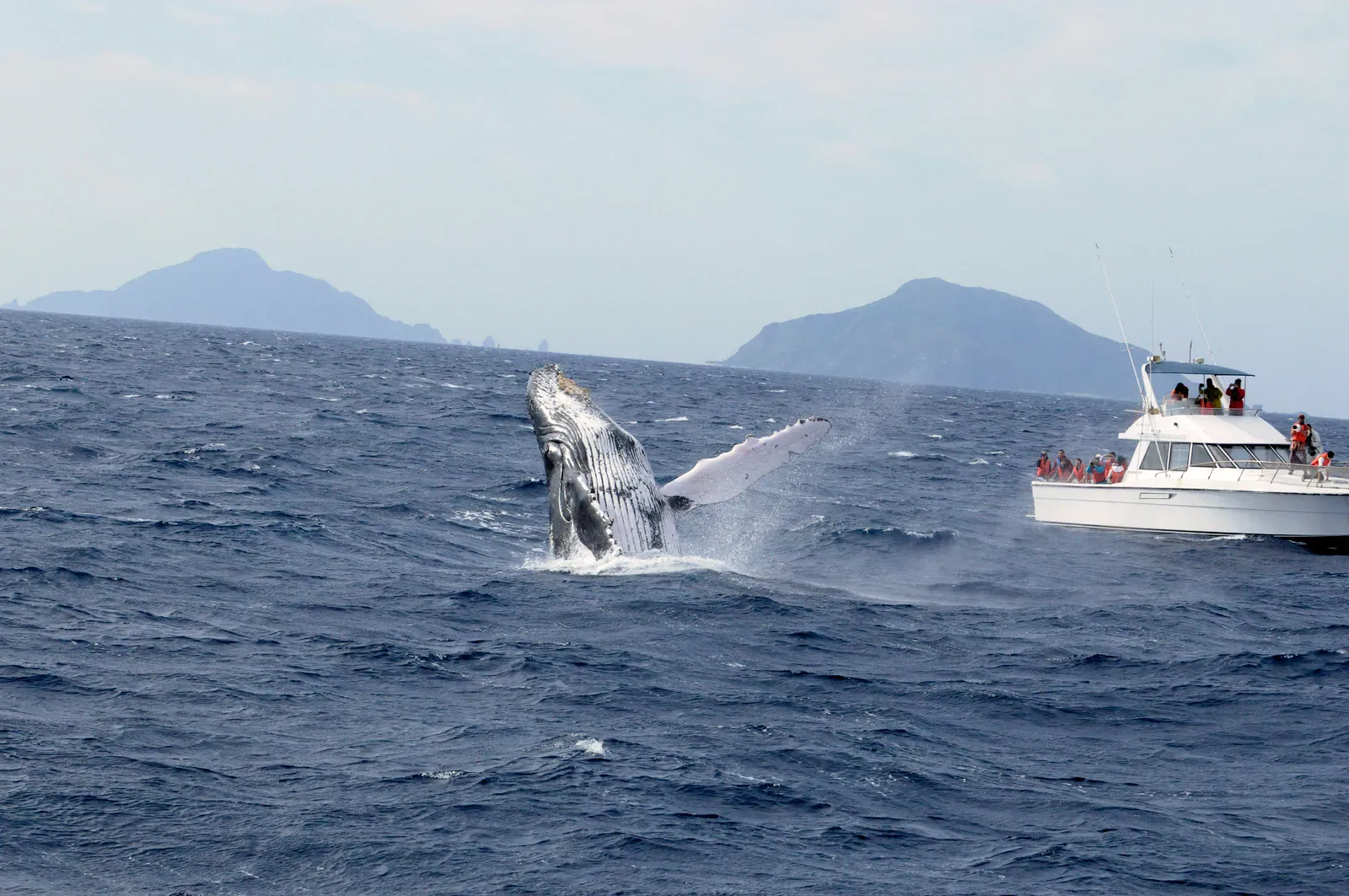 Wild and TrekWhale watching in Japan by month: where and whenWhale watching in Japan by month: Zamami and Okinawa humpbacks, Ogasawara February to April, Rausu orca and sperm whales, plus 100 m boat rules.
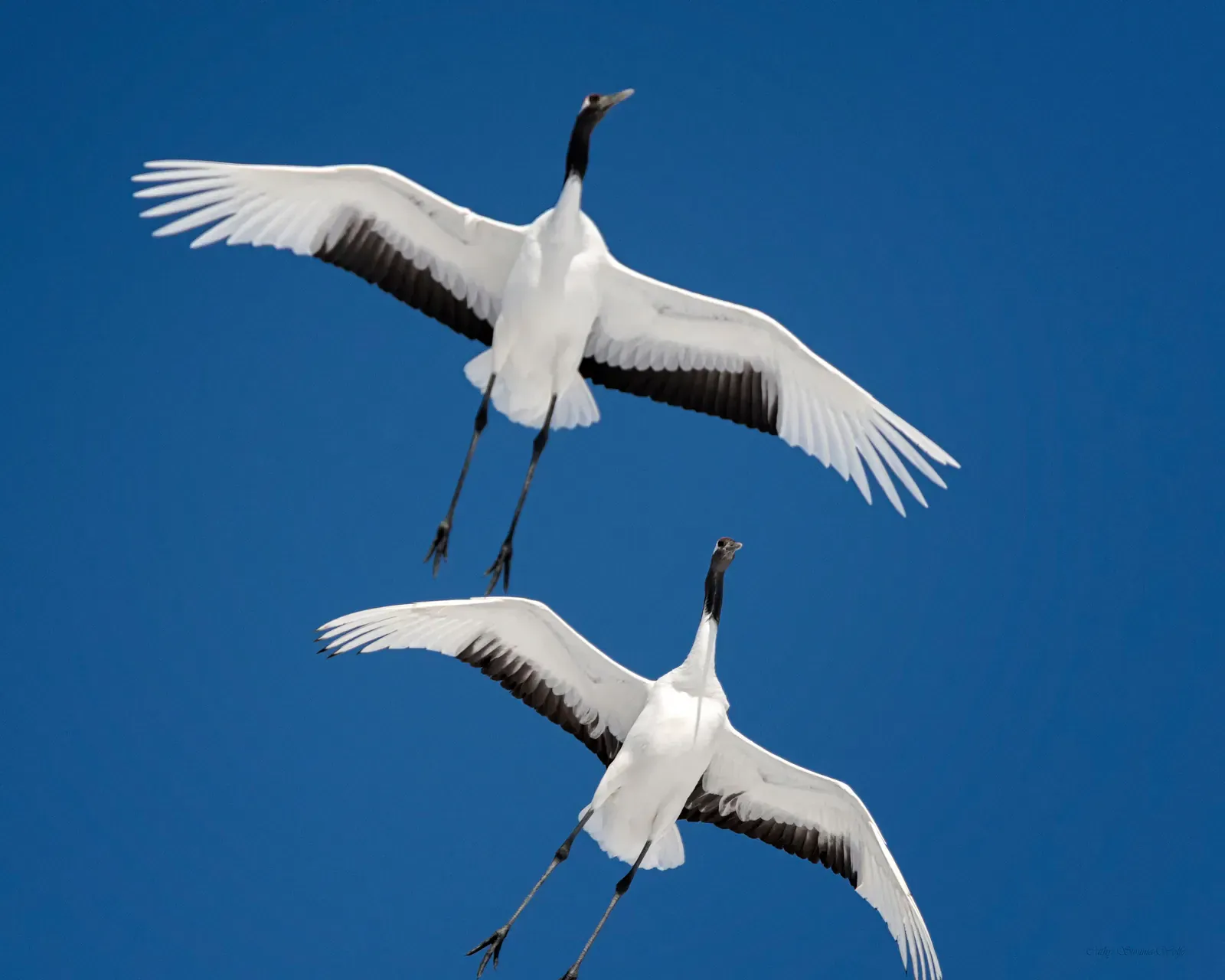 Wild and TrekWildlife in Japan: macaques, cranes, bears, park rulesJapan wildlife rules and fees: Jigokudani macaques (stay 1 m away), Kushiro cranes, bear areas, Yakushima donation and which sakura forecast exists.
 Coming soonSnow monkeys and onsenA Jigokudani day trip from Tokyo.
- Coming soonDiving and snorkellingOkinawa and beyond.
- Coming soonWhale watchingWhere and when.
- Coming soonHokkaido wildlifeBears, cranes, owls and seals.
- Coming soonHiking in Japan: five trailsBy difficulty, with safety first.
- Coming soonClimbing Mt FujiSeason, routes and permits.
Wild and Trek covers Japan’s sea, snow and mountains, plus the paths and huts that lead there. Winter brings snow monkeys, drift ice, cranes and whales; summer brings Fuji, the beaches and the Alps huts. Each page gives the season, the limits and the booking steps.
What to explore
Start with Snow monkeys in winter: the 30-minute walk, the easiest wild day from Tokyo in winter: about 80 minutes by Shinkansen to Nagano, then a bus and a 2 km trail of about 30 minutes. The park says monkeys may not appear. Online tickets began on 6 August 2026; the on-site adult fee is $6 (¥1,000) from 1 December 2026, up from $5 (¥800).
Dollar figures use about ¥155 to US$1 and are rounded; you pay in yen, so check the rate. Yarigatake huts are cash only, so carry yen.
Safety FY2025 set a record: 216 incidents, 238 people hurt and 13 deaths (preliminary). Do not approach a bear. The Environment Ministry says to leave quietly if a bear is far, and to face it and back away slowly if it is near. Bear spray cannot go on an aircraft, so buy or rent it after landing. Brown bears hibernate from about December to March. Hokkaido bans feeding brown bears.
What is on this hub?
- Japan outdoors by season Volcanoes, whales, beaches, wildlife, trails and climbing in one season-by-season guide.
- Shiretoko drift ice walk and cruises Shinra’s walk ran 1 February to 31 March in 2026, $48 to $52 (¥7,500 to ¥8,000), with age, height and weight limits.
- Whale watching in Japan, month by month Humpbacks off Okinawa from late December and off Ogasawara at their peak from February to April; Rausu orca and sperm whales from spring to autumn.
- Diving in Japan by region Ogasawara is the one region with official dive prices, about $87 to $130 (¥13,500 to ¥20,000) for a fun dive; Ishigaki, Kerama, Yonaguni and Izu are covered by region.
- Climbing Fuji: reservation, fee and season rules The 2026 Yoshida season ran 1 July to 10 September; the fee was $26 (¥4,000), and the gate was shut from 14:00 to 03:00 without a hut booking.
- Kumano Kodo: what to reserve, in what order Book lodging about six months ahead for spring and autumn; online booking closes 20 days before check-in.
- Trekking in Japan in winter Kamikochi shuts from 16 November, the Tateyama Kurobe route after 30 November and Kohechi from mid-December to mid-March; Nakahechi and Jigokudani stay open.
- Bears in Japan: where the risk is, and what to carry Bears live on Honshu and Hokkaido; the ministry says make noise, go in groups, check sightings and carry spray.
- Volcano alert levels, and where to check them Level 2 keeps you out of the crater area and Level 3 closes the mountain; Sakurajima bans entry within 2 km of its craters.
- Visiting active volcanoes Sakurajima, Aso, Hakone and Fuji are reachable, each with hard limits, such as the Hakone ropeway suspending at 5.0 ppm SO2.
- Beaches by region Kamakura ran 1 July to 31 August in 2026 and Okinawa opens from March; swim inside the box jellyfish nets in Okinawa.
- Hiking trails by region Nakasendo, Kumano Kodo, Daisetsuzan, Yakushima, Shiretoko Five Lakes and the Japan Alps in one table.
- Climbing the Japan Alps beyond Fuji Yarigatake huts take reservations one month ahead and charged $105 (¥16,000) for a night with two meals in 2026.
- Wildlife in Japan Keep at least 1 m from the Jigokudani macaques; Kushiro is the crane park, with courtship dances in February and March.
- Regions Hokkaido has drift ice, bears and cranes, fed at Tsurui-Ito from mid-to-late November to late March. Nagano in winter has the monkeys and the Alps.
Can I…?
- Can I hike Kumano Kodo or the Alps without booking huts? Depends on the route. Alps huts require reservations, and the Kumano tourism bureau advises booking Kumano Kodo lodging about six months ahead for spring and autumn.
- Can I fish in Japan without a licence? Depends on the water. No national sea-fishing licence is listed, but visitors may fish small-scale only, rivers run by fishery cooperatives need a day permit and a cast net works from shore only.
- Can I dive in Japan without certification? Yes, on a guided introductory dive, which needs no card; fun dives need a certificate. An intro dive was listed at $180 to $205 (¥28,000 to ¥32,000).
What do the volcano levels mean?
Safety Level 2 means no approach to the crater area, and Level 3 means no entry to the mountain. Levels change within weeks: a news report (secondary) says Aso went from Level 1 to Level 3 between 21 June and 14 August 2026. Read the Japan Meteorological Agency map on the day you go.
Do you have to tell anyone before hiking?
In Nagano, yes on designated trails: a climbing notification (tozan todoke). Toyama requires a plan for the Tsurugi area from 1 December to 15 May, filed 20 days ahead. Gifu covers the Northern Alps, Yakedake, Ontake, Hakusan and Norikura, with a fine of up to $325 (¥50,000) reportedly cited.
Whale and diving seasons differ by source, so confirm with the operator. For Fuji, follow the official page: a reservation was optional until the Yoshida daily cap was reached, though some outlets call it mandatory.
Quick answers
Are wildlife sightings guaranteed in Japan?
No. The Jigokudani park says monkeys may not appear, and drift ice, cranes and whales depend on weather and timing. Ask the operator about your dates.
Can I climb Mt Fuji in winter?
Not as a normal climb. The 2026 Yoshida season ran 1 July to 10 September, and one guide reports that climbing above the 5th stations out of season is prohibited by law. From December to March, going above about the 8th station on the Yoshida trail requires a climbing plan.
Are bears a real risk when hiking in Japan?
Yes, on Honshu and Hokkaido. The Ministry of the Environment recorded 238 people hurt and 13 deaths in FY2025, a record (preliminary). Kyushu and Okinawa are reported bear-free. Make noise with a bell or your voice, check recent sightings and do not hike alone.