Guide · Culture
Modern Japan's people and the places that tell their stories
Seven people from government, business, diplomacy, war memory and manga, each with a museum, shrine or residence to visit and last known hours and fees.
Modern Japan’s people are easiest to meet through a place: a shrine, museum or former residence that keeps their records. This page covers seven people across government and business, war and peace, and manga. Each card gives one documented fact with its source, then last known hours, fees and closed days.
Dollar amounts are approximate, converted at about ¥155 to US$1. You pay in yen, so check the rate.
Government and business
These four cards follow the Meiji period and its aftermath, which Meiji Japan covers in full. Names are in Japanese order, family name first.
Emperor Meiji
Per Meiji Jingu, the 122nd emperor, who ascended in 1867 and, in the shrine’s words, laid the foundations of modern Japan; the National Diet Library catalogue gives his years as 1852 to 1912. The shrine says it was dedicated to Emperor Meiji and Empress Shoken after their deaths, its precinct was completed on 1 November 1920, and 100,000 trees were donated from all over Japan. Visit: Meiji Jingu, Shibuya, Tokyo. Last known: open daily from sunrise to sunset, free; November 6:10 to 16:10, December 6:40 to 16:00. The Meiji Jingu Museum, last known, opens 10:00 to 16:30, last entry 16:00, reportedly closed Thursdays, adult ¥1,000 (about $6). Its booking rule is not stated.
Ito Hirobumi (1841-1909)
Per the National Diet Library, the first Prime Minister under the 1885 cabinet system, who led the enactment of the Constitution of the Empire of Japan. The Library records that he was killed at Harbin Station in 1909. It lists him as prime minister four times. Visit: Ito Koshiryokan, Hikari, Yamaguchi, which the city’s page also calls his birthplace. Last known: 9:00 to 17:00, last entry 16:30, adult ¥260 (about $2). Closed days are reportedly Mondays and 29 December to 3 January. No booking rule is stated.
Shibusawa Eiichi (1840-1931)
Per the Shibusawa Memorial Foundation, he reportedly founded or supported about 500 enterprises and economic bodies and about 600 bodies in social welfare, education and international exchange. His portrait appears on the 10,000-yen note, reportedly issued from 3 July 2024, per the Bank of Japan. Visit: Shibusawa Memorial Museum, Kita-ku, Tokyo, in Asukayama Park. Last known: 10:00 to 17:00, last entry 16:30, closed Mondays and 28 December to 4 January, adult ¥500 (about $3), no booking. It is closed 30 November 2026 to 19 February 2027 for building works.
Yoshida Shigeru (1878-1967)
Per the National Diet Library, a postwar Prime Minister, whom it ties to the San Francisco Peace Treaty and the Japan-US Security Treaty of 1951, in force on 28 April 1952, per its postwar prime ministers page. According to the Library, he also made a peace overture during the war and was held by the military police in April 1945. Visit: Former Yoshida Shigeru Residence, Oiso, Kanagawa. Last known: 9:00 to 16:30, entry to 16:00, closed Mondays, the 1st of each month and 29 December to 3 January, adult ¥510 (about $3). A panel exhibition on his Oiso life runs 2 October 2026 to 31 January 2027, included in entry.
War and peace
These two cards give chronology from official pages and nothing more. For the wider period, see Taisho and Showa Japan.
Chiune Sugihara (b. 1900)
A Japanese diplomat posted to Kaunas, Lithuania. In 1940 Jewish refugees from Europe asked the consulate in Kaunas for transit visas to Japan; per Yaotsu Town, he issued them. Visit: Chiune Sugihara Memorial Hall, Yaotsu, Gifu. Last known, from 1 October 2026: 9:30 to 16:30, last entry 16:00, closed Mondays and 28 December to 5 January, adult and group ¥500 (about $3), up from ¥300 (about $2) before that date. If a Monday is a holiday, the closure moves to the next day. No booking rule is stated.
Sadako Sasaki (d. 1955)
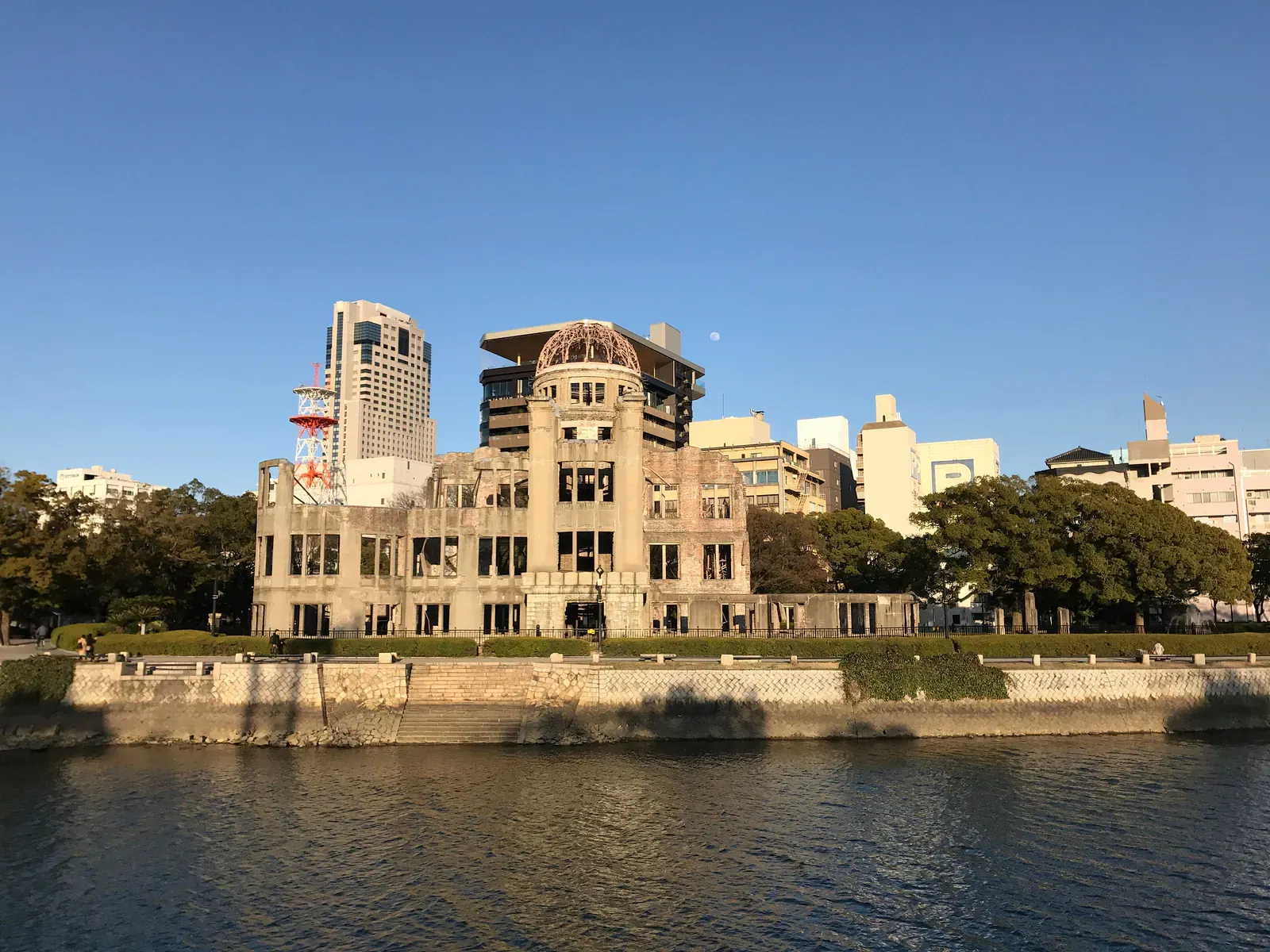
Per Hiroshima City, the girl whose story links paper cranes and peace. The city says she was two when exposed, fell ill in autumn 1954, was diagnosed with leukemia in February 1955, kept folding cranes believing they would help, and died on 25 October 1955. Her death led to the Children’s Peace Monument, funded by donations from across Japan, and about 10 million cranes are offered each year. Visit: Children’s Peace Monument, Peace Memorial Park, Hiroshima, outdoors and free, per the city page. The Hiroshima Peace Memorial Museum is in the same park. Last known: 7:30 to 19:00 in November, 7:30 to 18:00 December to February, adult ¥200 (about $1). See Hiroshima and Nagasaki museums.
More to read
- Three unusual places in Japan and how to visit themOsorezan in Aomori, Doai station in Gunma and the Yumenoshima greenhouse in Tokyo: what each is, how to reach it and the rule to follow when you visit.
- Japan's writers, tea masters and monks, and their placesWriters, a tea master and two founders of Buddhist temples, each with a place to visit and last known hours, fees and booking rules.
- Gion: what you may photograph, what you may notKyoto's official asks, the reported private-lane ban and fine, and ticketed ways to see geiko and maiko without chasing them.
- Hiroshima and Nagasaki museums: hours, fees, booking and closuresAdults pay about ¥200 (about $1) at each museum. Nagasaki's Section C is closed from 24 November 2026 to about March 2027; Hiroshima closes 15 to 20 February 2027.
- Japan's culture and traditions: what to see, what it costs, what the rules areHow a visitor meets Japan's traditions: dated shows, tournaments and festivals, last-known prices and the etiquette rules, theme by theme.
Manga
One manga artist here has both a museum and a street named for him in Sakaiminato, where he grew up.
Shigeru Mizuki (b. 1922)
Manga artist whom Tottori Prefecture calls a leading authority on yokai pictures and yokai research, with works including Ge Ge Ge no Kitaro. Per the prefecture, he grew up in Sakaiminato, went to Rabaul in the Pacific War and lost his left arm in a bombing, then became a kamishibai artist and later a rental-manga artist. Visit: Mizuki Shigeru Museum, Sakaiminato, Tottori. Last known: 9:30 to 17:00, last entry 16:30, no closed days listed, adult ¥1,000 (about $6). No booking needed; online tickets exist. Mizuki Shigeru Road, with 178 bronze yokai statues, leads to it and is free.
Where next?
Read the culture hub for traditions and history, Meiji Japan and Taisho and Showa Japan for the periods these people lived in, and Hiroshima and Nagasaki museums for hours and closures. For a wider timeline, see Japanese history for travellers, and for earlier figures, Famous people of Japan.
Questions
- Every answer starts with
- Yes
- No
- Depends
- Not yet
- Fact
Is the Shibusawa Memorial Museum open now?
It is temporarily closed from 30 November 2026 to 19 February 2027 for building works, per the museum. Last known, it opens 10:00 to 17:00, closed Mondays, with adult entry at ¥500 (about $3).
Do I need to book the Mizuki Shigeru Museum?
No. Per the museum, booking is not required, day tickets are sold at the first-floor desk and online tickets exist. Last known adult entry is ¥1,000 (about $6), and queues can form when it is busy.
When is Meiji Jingu open?
Last known, every day from sunrise to sunset, free, per the shrine. In November it opens 6:10 to 16:10 and in December 6:40 to 16:00. The Meiji Jingu Museum, last known, opens 10:00 to 16:30 and is reportedly closed on Thursdays.
How much does the Hiroshima Peace Memorial Museum cost?
Last known, adults pay ¥200 (about $1) and high school students ¥100 (about $1), per the museum. It is closed 30 and 31 December and temporarily from 15 to 20 February 2027 for an exhibit change.
The Former Yoshida Shigeru Residence in Oiso, Kanagawa, run by Oiso Town. Last known, it opens 9:00 to 16:30, closed Mondays and on the 1st of each month, with adult entry at ¥510 (about $3).
Related topics
- CultureFamous people of Japan and the places to see themSixteen people from anime, games, art, architecture and samurai history, each with a museum, temple or site to visit and last known hours and fees.
- CultureTaisho and Showa (1912 to 1989): earthquake, war and recoveryFrom the 1923 earthquake to the 1964 Shinkansen: the main events, the war years in museum wording, and sites to visit with fees and hours.
- CultureThe Meiji period (1868 to 1912): how Japan ended the samurai and moved its capitalThe shogunate fell, the capital moved to Tokyo and the samurai lost their stipends. What changed, and the sites to see today.
More from Anime and manga
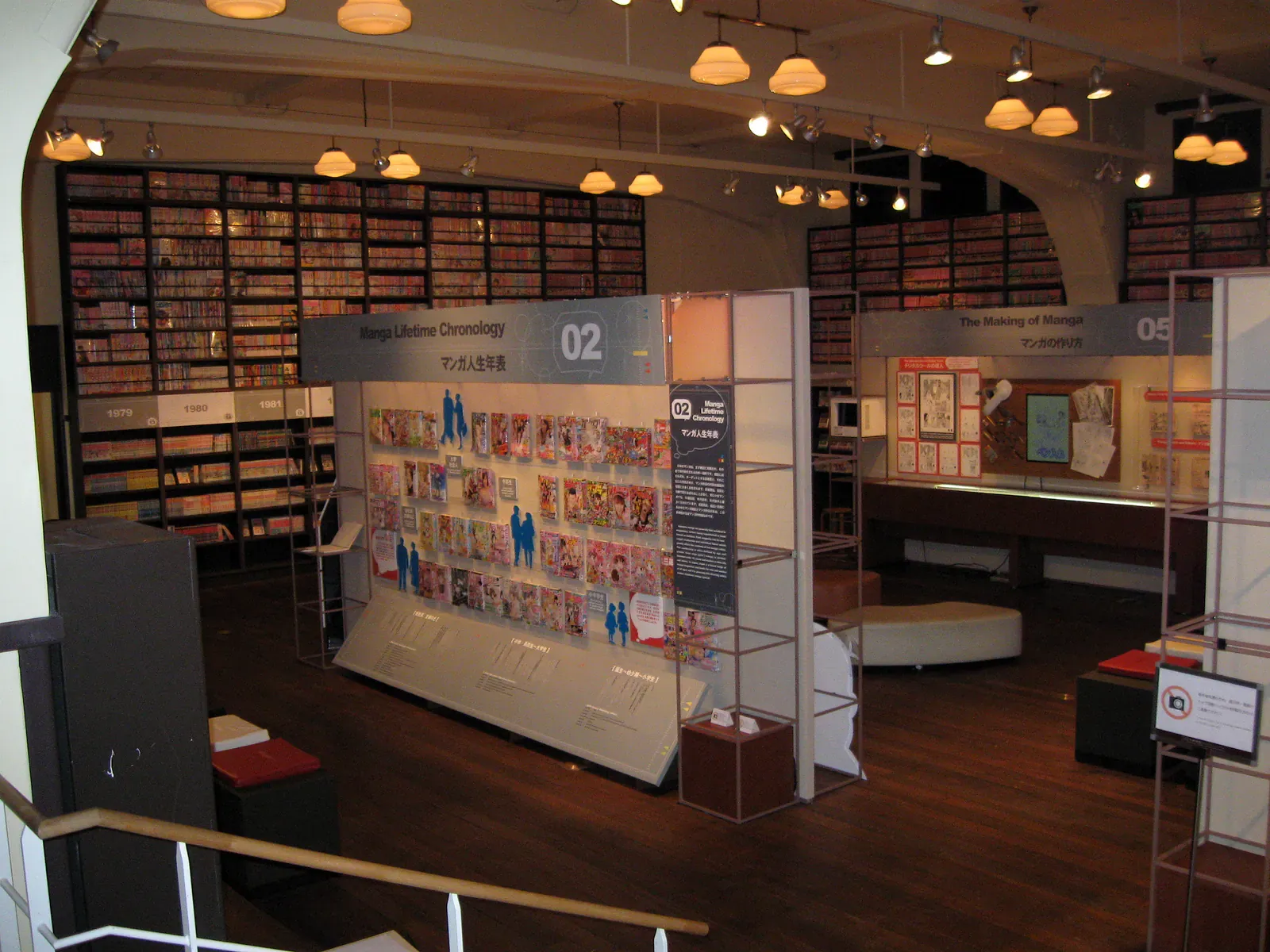
Anime and mangaManga museums in Japan: Kyoto, Takarazuka and Kitakyushu comparedHours, closed days and prices for the Kyoto, Takarazuka, Kitakyushu and Yokote manga museums, a free Tokyo anime museum and Ghibli Museum tickets.