Guide · Culture
Gion: what you may photograph, what you may not
Kyoto's official asks, the reported private-lane ban and fine, and ticketed ways to see geiko and maiko without chasing them.
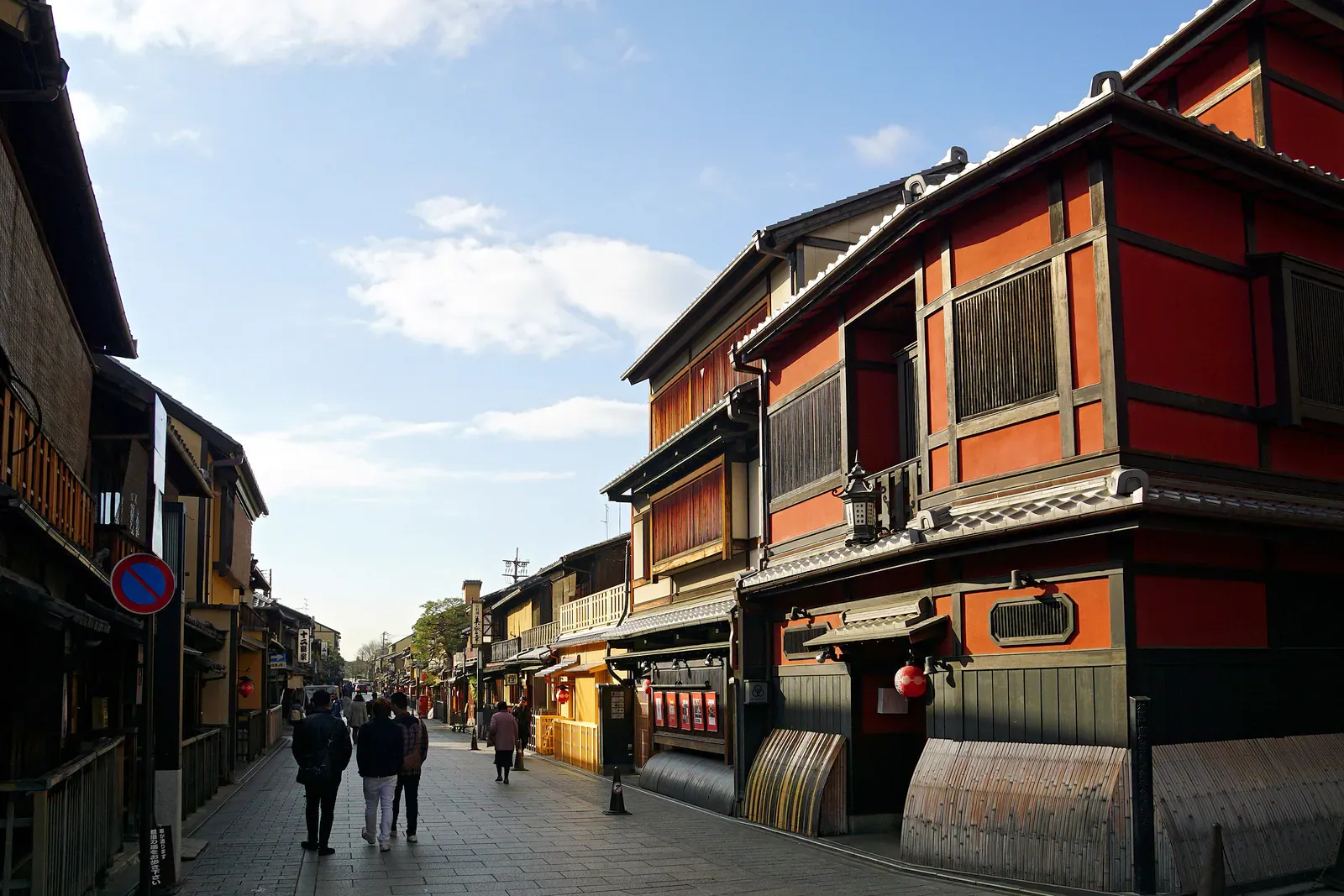
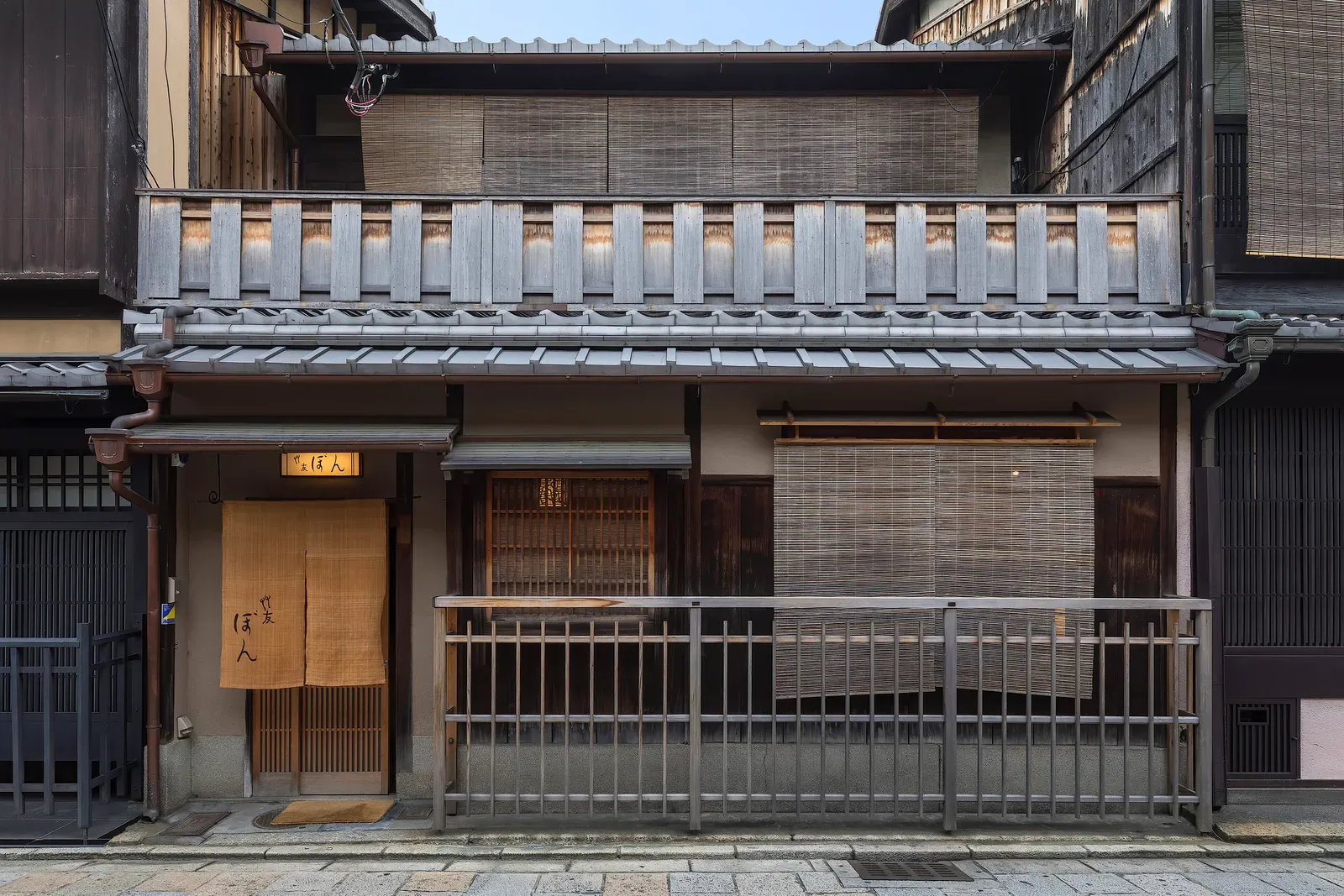
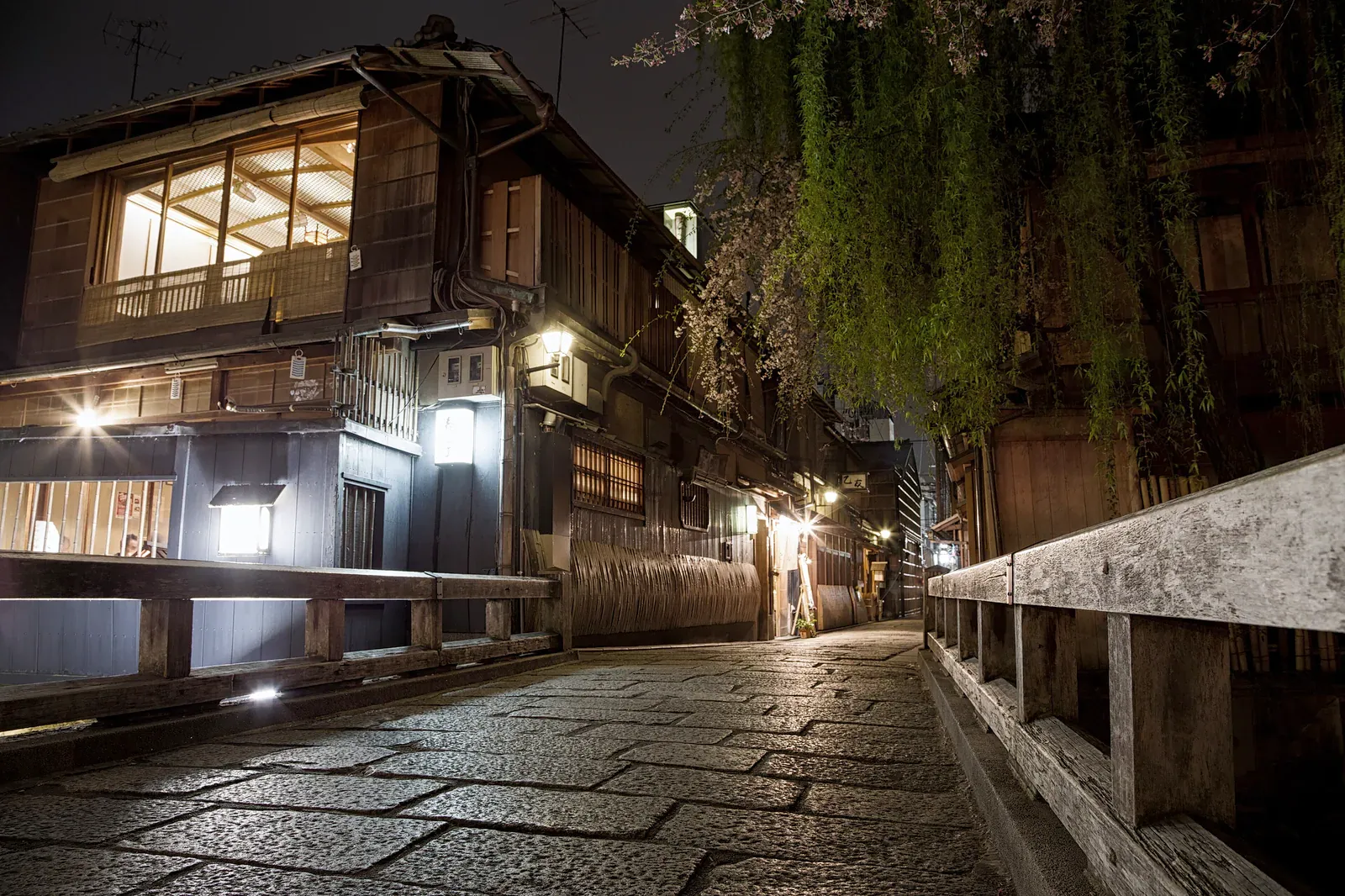
Point the camera at buildings, not people. Kyoto’s tourism site asks visitors not to stop geiko or maiko for photos and not to photograph them without permission. Some private lanes are reportedly closed to pass-through, with a reported $65 (¥10,000) fine that no Kyoto City notice confirms. The short answer is in Can I photograph a geisha in Gion?, and this page adds the detail.
It sits in Culture, next to Shrine and temple etiquette.
What does Kyoto officially ask?
The Kyoto City Tourism Association asks visitors not to stop geiko (Kyoto’s geisha) or maiko (apprentices) on the street for photos and not to photograph them without permission. A flyer from southern Gion on the same site adds touching, following and unauthorised photos or video to the list.
The Kyoto pages also ask you to:
- Keep out of the road and not block the pavement.
- Leave tripods at home on the street.
- Not touch tea-house lanterns or lean on fences.
- Not eat or drink while walking in restricted areas.
- Think before posting, because photos of identifiable people may breach portrait rights.
What do the penalties look like?
Most guides quote one $65 (¥10,000) figure for everything. Kyoto’s own pages show a ladder instead, and only the last row below has no Kyoto notice behind it. The first row is the flyer’s penalty for obstruction and stalking, separate from the reported lane fine in the last row.
| Behaviour | Penalty | Basis |
|---|---|---|
| Obstruction or stalking | Obstructing the path or stalking a geiko or maiko: detention under 30 days or a fine under $65 (¥10,000) | Kyoto flyer, official |
| Pulling or grabbing | Pulling a hand or clothing: up to 6 months in prison or $3,230 (¥500,000) | Kyoto tourism site, official |
| Blocking the road | Blocking the road or pavement, or stepping onto the road to take photos: fine up to $325 (¥50,000) | Kyoto tourism site, official |
| Trespass | Restricted temple or shrine areas: up to 3 years in prison or $645 (¥100,000) | Kyoto tourism site, official |
| Littering | Up to $195 (¥30,000) | Ordinance, official |
| Private lane | Walking through a designated private lane: fine of $65 (¥10,000) | Reported, not confirmed |
Neither of the first two rows is about photography, and the trespass row covers restricted temple and shrine areas, not Gion lanes. A resident’s report may also bring police. Dollar figures use about ¥155 to US$1 and are rounded; you pay in yen, so check the rate.
What is the reported private-lane ban?
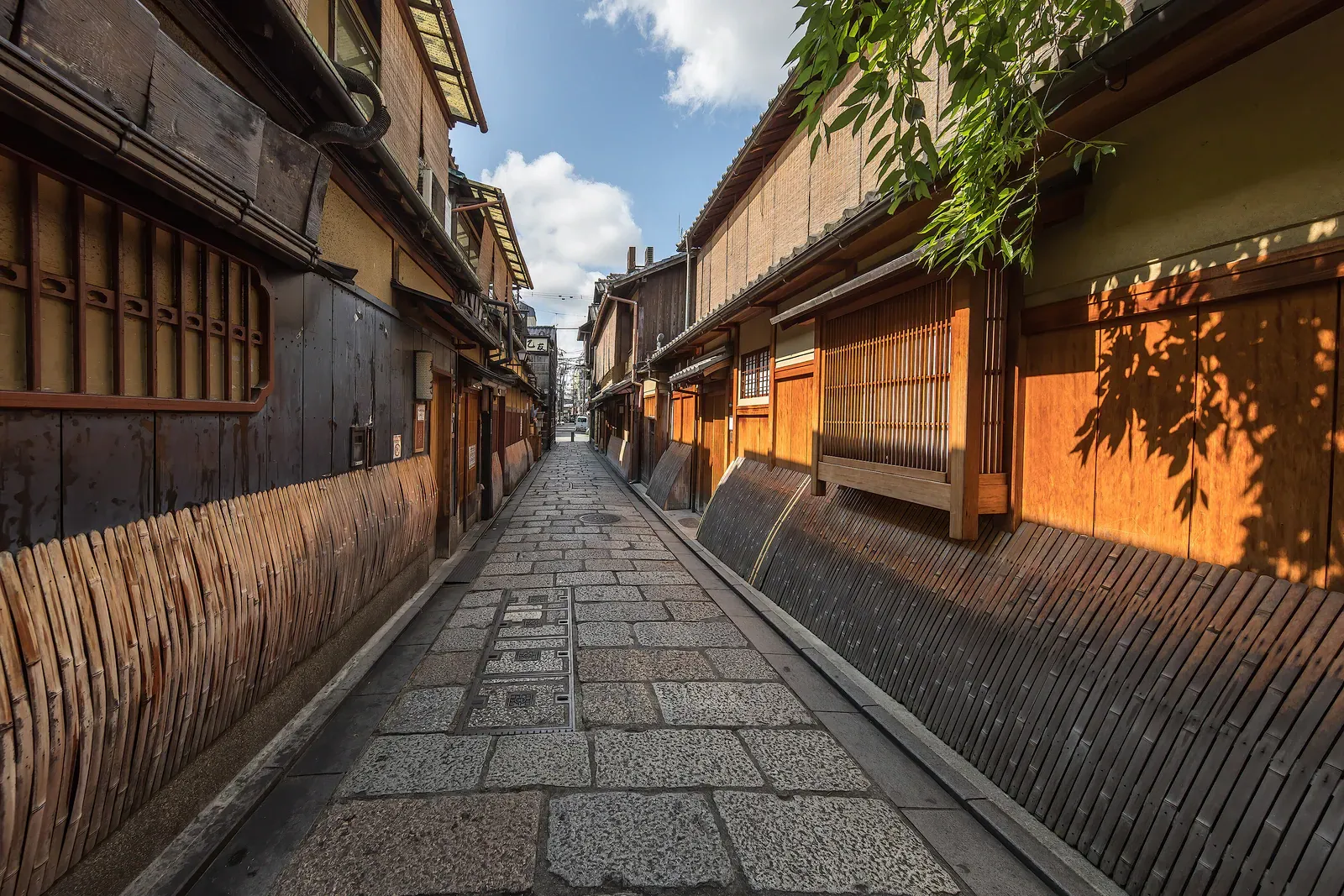
Designated private lanes in southern Gion are reportedly closed to pass-through, with a reported $65 (¥10,000) fine. Two rule sets turn up in reports, five years apart, and they blur easily.
- October 2019: residents announced rules against photos on private streets and against harassing geiko, with a reported $65 (¥10,000) fine. Public streets such as Hanamikoji and Shirakawa-dori stayed open, though asking permission was still advised. A news report said the rules were not legally binding.
- 2024: a council for southern Gion reportedly closed designated private lanes to pass-through from 1 April 2024, with the same $65 (¥10,000) fine printed on signs. Shijo-dori and Hanamikoji stay open. One source dates the first sign to 29 May 2024, at Kosode-koji. Signs reportedly use the word 通り抜け (“pass-through”).
- Now: no Kyoto City notice for 2025-26 has been found, and 2026 guides still cite the fine. Reports say enforcement runs through signs and residents’ reports, and that police may be called. Some describe the fine as a community penalty, not a criminal one.
No report names the lanes, so a map will not tell you which are private. The signs are the marker the reports describe, so if a lane has one, do not enter.
Why are residents asking?
Gion is a residential area, and the rules came out of residents’ complaints. In 2024, a news report said a council member described an apprentice’s kimono being torn and a cigarette butt in a collar, and listed rented-kimono tourism and harassment among the complaints.
How can you see geiko and maiko without chasing them?
Book a ticketed performance. The complaints are about stopping, following and photographing people in the street, so each route below is one where the performers have agreed to be seen.
Gion Corner is the one with official prices. It runs a roughly one-hour show at the small theatre of Gion Kobu Kaburenjo: kyomai (Kyoto dance) by maiko, tea ceremony in Urasenke’s standing style, flower arranging, koto, gagaku and kyogen. Bunraku and noh join the programme by season. The winter programme runs from 1 December to 11 March and leaves bunraku and noh out. The programme page lists a photo with a maiko after the winter shows.
| Seat | Price |
|---|---|
| Adult | $35 (¥5,500), age 23 and over |
| Youth | $25 (¥3,850), age 16 to 22 |
| Child | $21 (¥3,300), age 7 to 15 |
| Premium | $43 (¥6,600) |
| Tea seat | $39 (¥6,050), any age |
| Group | $30 (¥4,700), 20 or more |
Prices include tax. Children below school age are free without a seat; a seat costs the fee. Regular shows start at 18:00 and 19:00. The official page lists closures on 26 December to 4 January, 11 February and 23 February, and it contradicts itself on which winter weekdays the shows run (Tuesday to Friday in one line, Friday to Sunday and holidays in another). Check Gion Corner’s online ticket page before you plan around a day.
Other routes:
- Miyako Odori: a spring dance season at Gion Kobu Kaburenjo with about 50 geiko and maiko. A listing gave 1 to 30 April for 2026. The 2027 dates and prices are unclear right now: check the organiser before you go.
- Kamogawa Odori: the Pontocho district’s dance season, listed as 1 to 24 May in 2026.
- Gion Kagai Art Museum: its site reportedly lists its own kyomai performances by geiko and maiko, with tickets at the museum or online.
- Ozashiki: a banquet with a geiko. Tea-house access is traditionally by introduction only, and operators now sell packages that bypass it. Only vendor listings exist for prices.
- Maiko makeover: studios offer dress-up photo sessions as a maiko.
Before you go Book a ticketed show and walk with the camera pointed at buildings. Do not wait in an alley for a photograph.
Questions
No. Reports say Shijo-dori and Hanamikoji stay open, while designated private lanes are closed to pass-through. Kyoto's tourism site asks visitors not to block roads and not to stop geiko or maiko.
It is reported, not confirmed. Secondary sources describe it on signs at private lanes, and a 2019 report called the earlier rules not legally binding. No 2025-26 Kyoto City notice was found. Kyoto's own pages list other penalties, such as up to $325 (¥50,000) for blocking the road.
Buy a seat at a show. Gion Corner's adult ticket is $35 (¥5,500), and its winter programme runs from 1 December to 11 March. Seasonal dances in April and May and a museum programme are other routes. Do not wait on the street.
No official rule against it is published. A council member cited rented-kimono tourism among residents' complaints in 2024, so the lane and road rules apply to you as to anyone.