
Guide · Culture
Kyoto temples and shrines: fees, hours and 2026-27 changes
Fees, hours, closed days and 2026-27 changes for Kiyomizu-dera, Fushimi Inari, Kinkaku-ji, Ginkaku-ji, To-ji, Sanjusangen-do and Yasaka Shrine.
Closing times decide the order of a Kyoto temple day. In winter, Sanjusangen-do’s last entry is 15:30 (last known) and Ginkaku-ji closes at 16:30, while Fushimi Inari and Yasaka Shrine are reported open day and night. To-ji is the only one of the seven with a full 2026 price list on its official page.
Each section gives fee, hours, closed days, booking and 2026-27 changes. A gap is marked not found once, and no official page states a best season. Dollar figures use about ¥155 to US$1 and are rounded; you pay in yen, so check the rate.
For manners and the stamp desk, see Shrine and temple etiquette and Goshuin. The wider list is in the temples and shrines guide, the sites around Nara, Osaka, Koyasan and Ise are in their own guide, and the Culture hub holds the topic.
Kiyomizu-dera
Kiyomizu-dera is a hillside temple in Higashiyama, known for its wooden stage and for about 1,500 cherry and 1,000 maple trees. It opens at 06:00; closing time varies by season and event, so check the visit page for the day.
The adult fee and closed days are not on the official pages. The figure usually quoted, $3 (¥500), is last known and undated, so treat it as unconfirmed. Holders of a disability handbook and one companion enter free, and there is no group discount. No booking is needed; the office line is 075-551-1234.
The 2026 special openings:
- Night viewing, until 21:30 with last entry at 21:00: 27 March to 5 April, 14 to 16 August and 21 to 30 November.
- Jojuin garden, 21 to 30 November: 10:00 to 16:00, and again from 18:00 with last entry at 20:30.
- Thousand-day Prayer, 9 to 16 August, 09:00 to 17:00, running to 21:00 on 14 to 16 August.
- Seiryu-e, 14:00 to 15:30 on 15 March, 3 April and 15 October.
On 31 December the bells are not open to public reservation. 2027 dates are not found. The temple says the foliage peak varies every year and points visitors to its news updates.
Tripods, monopods, drones, weddings, cosplay and model shoots are not allowed, and commercial filming and live streaming need permission. Group photos are limited to designated spots; the photo room at the Niomon handles requests (080-7708-6526).
Fushimi Inari Taisha
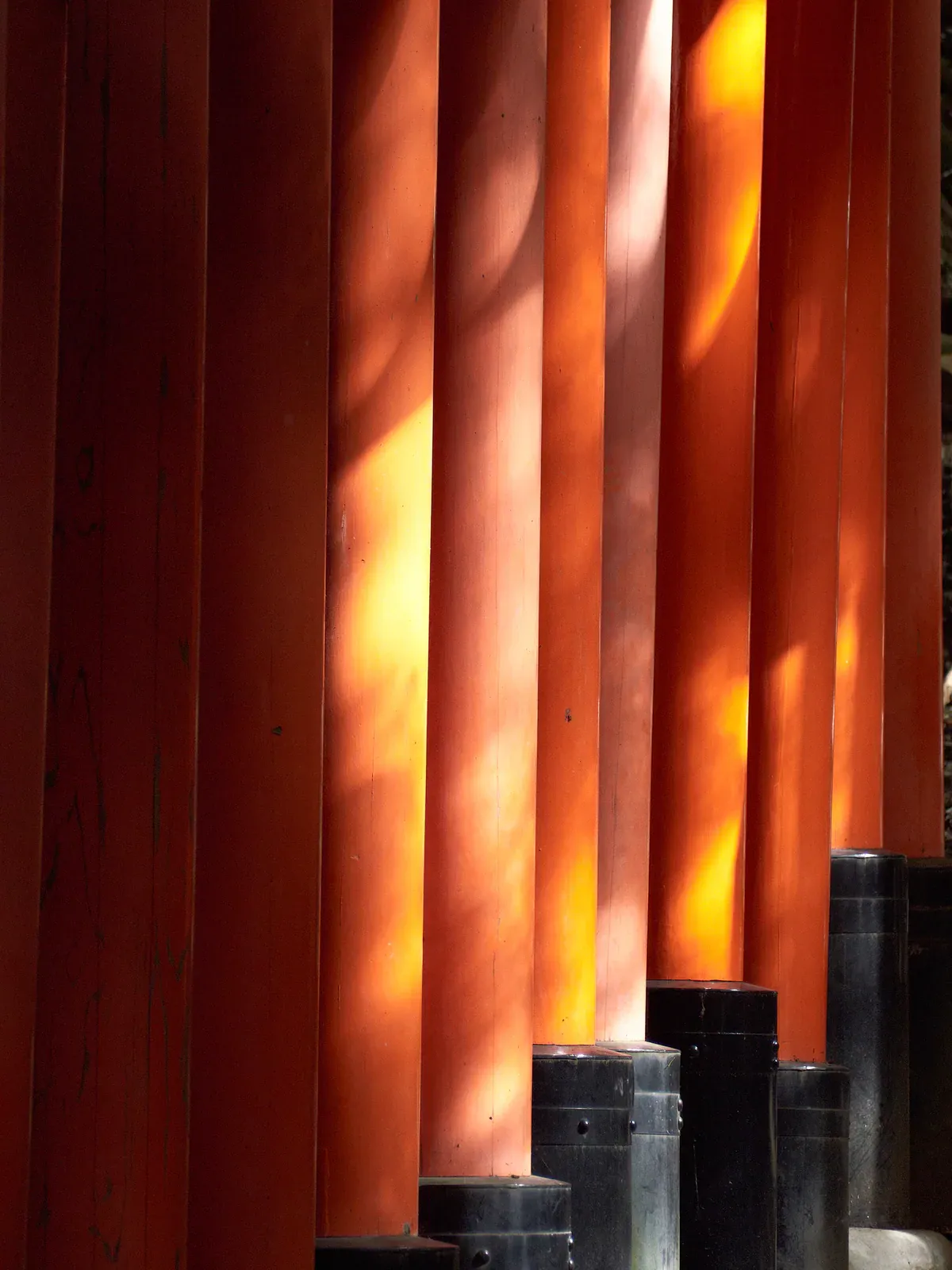
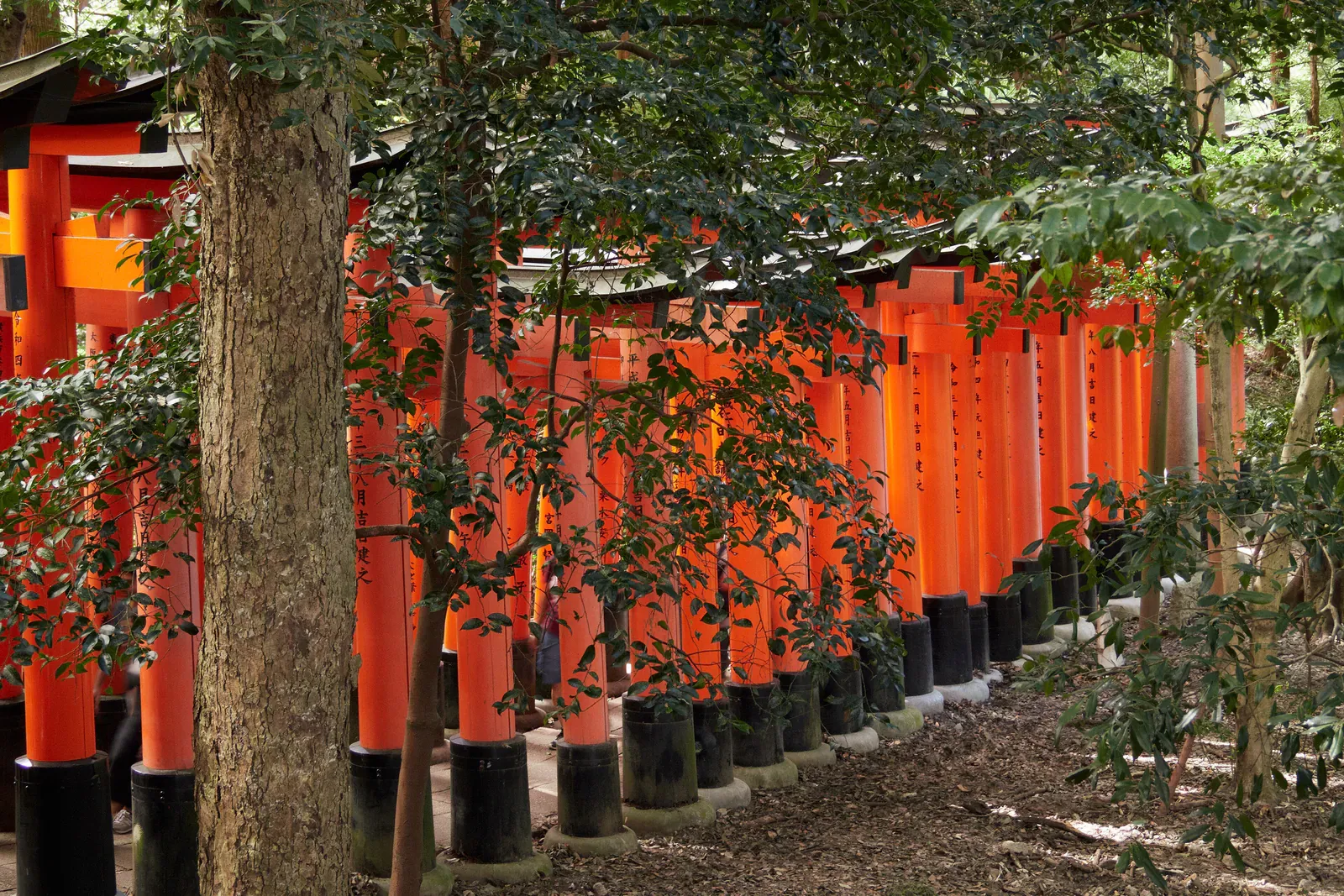
Fushimi Inari Taisha is the shrine of thousands of vermilion torii that climb Mt Inari in Fushimi. Entry is reported free and the grounds open 24 hours, per secondary notes; the shrine’s English pages give neither, so treat both as reported. The office is listed at about 08:30 to 16:30. No closed days are listed, and no booking is needed. The office, at 68 Fukakusa Yabunouchi-cho, is on 075-641-7331.
The shrine’s visitor request page lists what is banned:
- Drones, and commercial photography, including in prohibited areas.
- Photos or filming on narrow paths when they block worshippers.
- Shouting and sitting on the ground.
- Eating or drinking outside marked rest areas, and litter.
- Wedding dress or unsuitable costumes on the grounds.
Kyoto counts Fushimi Inari among its 43 Beautification Promotion Areas, where littering brings fines up to $195 (¥30,000).
No 2026-27 changes are found. Hatsumode, the first shrine visit of the year, brings queues from 1 to 3 January; Japan New Year closures 2026-27 covers what else shuts then.
Kinkaku-ji
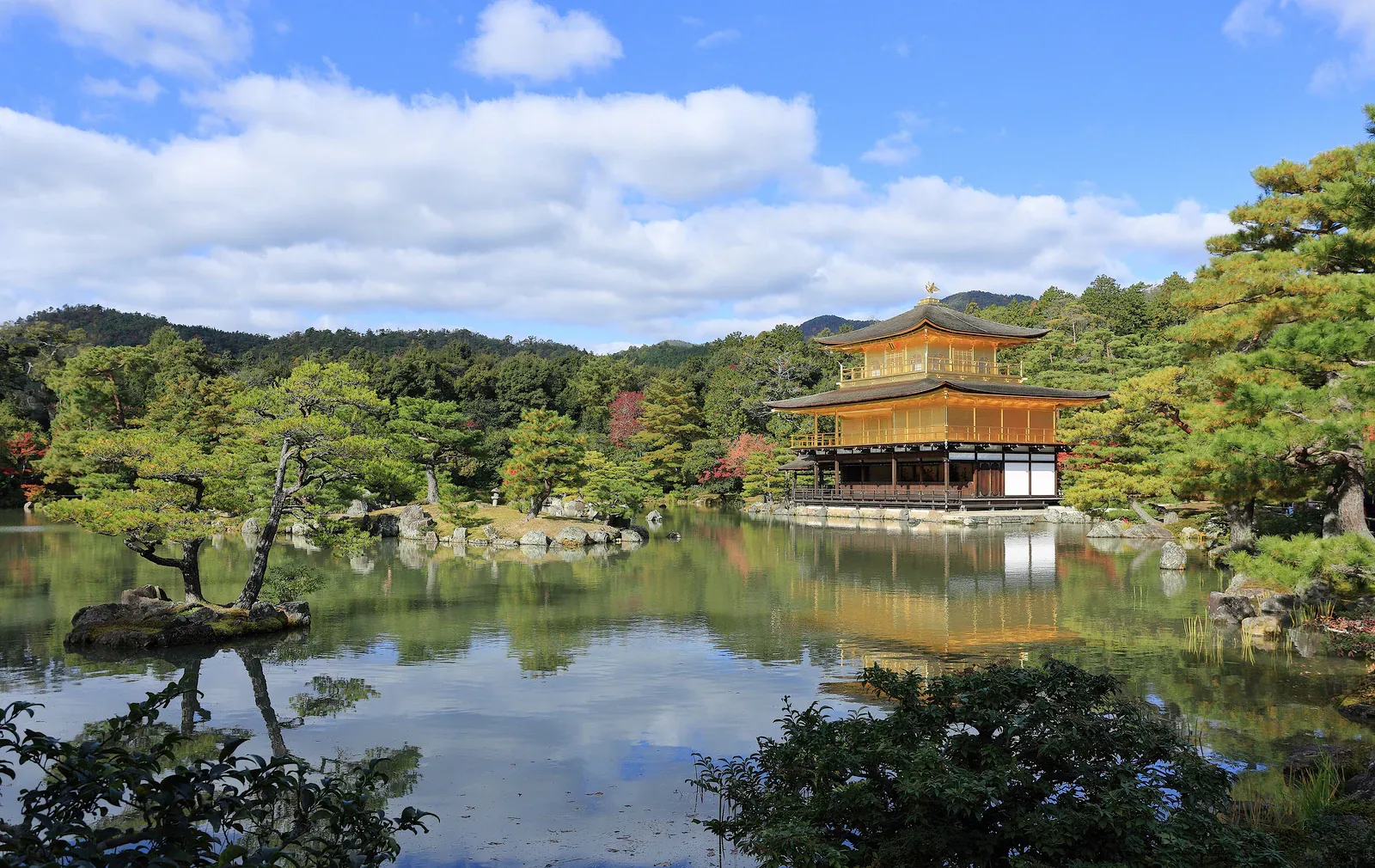
Kinkaku-ji, the Gold Pavilion of Rokuon-ji in Kita, opens 09:00 to 17:00. Entry is a visit offering rather than a ticket price, and the official pages give no amount; a fee revision notice is posted. The last known figure is $3 (¥500), from a search snippet of the site, so the current fee is unclear right now. Holders of a disability certificate enter free, and there is no group-size discount.
No closed days or night opening are listed, and no booking is needed.
Photography is the stricter part. Personal snapshots with a small camera are allowed. The FAQ prohibits:
- Publishing photos, including on social media.
- Commercial photography and group photos.
- Video streaming and drones.
School-trip photographers apply by mail in advance.
The goshuin office is stop 19 on the route, between Sekkatei and Fudo-do. Its fee and hours are not stated. More on stamps in Goshuin.
Ginkaku-ji
Ginkaku-ji, the Silver Pavilion in Sakyo, is known for its moss garden. Hours are 08:30 to 17:00 from 1 March to 30 November and 09:00 to 16:30 from 1 December to the end of February. The official FAQ lists exit times 20 minutes after each closing time.
The FAQ lists no adult fee, only $1 (¥100) for holders of a disability or care handbook, children included. Closed days and photo rules are not stated. No booking is needed; the office line is 075-771-5725.
Three areas open only during the spring and autumn special openings: the Togudo, the Hojo and the Roseitei. The Kannonden is never open.
Goshuin follow a time rule. Until 16:00 the stamp is handwritten in your own book. After 16:00 you receive a pre-written single sheet (kakioki), and in busy periods single sheets may be given all day, per a notice on site. Autumn-limited goshuin start on 1 November 2026; the fee and dates are not stated. Kakioki schedules for October and November and for the year-end and New Year period are posted on the temple’s site; their dates are not found.
To-ji
To-ji has the clearest price list of the seven: its admission page sets out every period for 2026. It holds more than 20,000 items designated as National Treasures or Important Cultural Properties, and is known for the Ryokai Mandala and its link to Kukai.
The 2026 fees:
- Year-round: Kondo and Kodo $5 (¥800); with Kanchi-in $8 (¥1,200).
- 20 September to 30 October: combined ticket $10 (¥1,500).
- 31 October to 25 November: Kondo and Kodo with the pagoda’s first floor $8 (¥1,200); combined ticket $13 (¥2,000).
- 26 November to 13 December: pagoda special $8 (¥1,200).
- Illumination, 31 October to 13 December: $6 (¥1,000). Evening hours are not found.
- Miedo and Shokudo: free.
The gate is open 05:00 to 17:00. Kondo and Kodo open 08:00 to 17:00 with last entry at 16:30, and Kanchi-in and the Treasure Hall 09:00 to 17:00. No regular closed days are listed, but the Treasure Hall opens only 20 March to 25 May and 20 September to 25 November, and the pagoda interior only in special periods. No ticket booking is listed.
The 2027 fees are not published, so the list above is the 2026 schedule. The pagoda was also part of Kyoto’s 2026 Winter Special Openings (9 January to 18 March) at $8 (¥1,200); 2027 dates are not found.
Sanjusangen-do
Sanjusangen-do is a Higashiyama temple known for a long hall with 1,001 Kannon statues. The figures below come from the official visit page as shown in a search summary, because the site returns a certificate error.
Adults pay $4 (¥600), junior and senior high students $3 (¥400) and elementary pupils $2 (¥300). Groups of 25 or more pay $4 (¥550) each. The summary may be dated.
Hours changed on 1 April 2026. From 1 April to 15 November it opens 08:30 to 17:00, with last entry at 16:30. From 16 November to 31 March, the last known hours (2025-26) were 09:00 to 16:00 with last entry at 15:30. The 2026-27 winter hours are unclear right now: check the official visit page before you go.
No closed days are listed. Entry was free all day on 18 January 2026 (Yofu no Okaji); the 2027 date is not found. No booking is needed.
Yasaka Shrine
Yasaka Shrine is the Gion shrine behind Gion Matsuri. Its Mikoshi-Togyo procession runs 17 to 24 July; see the Japan matsuri calendar.
The office is open 09:00 to 17:00, and an earlier secondary note puts the grounds at open 24 hours. The official English site gives no grounds hours and no entry fee, so whether entry is free is unconfirmed. The status of 31 December 2026 is unclear; check the shrine’s notices before a New Year’s Eve visit. No booking is needed.
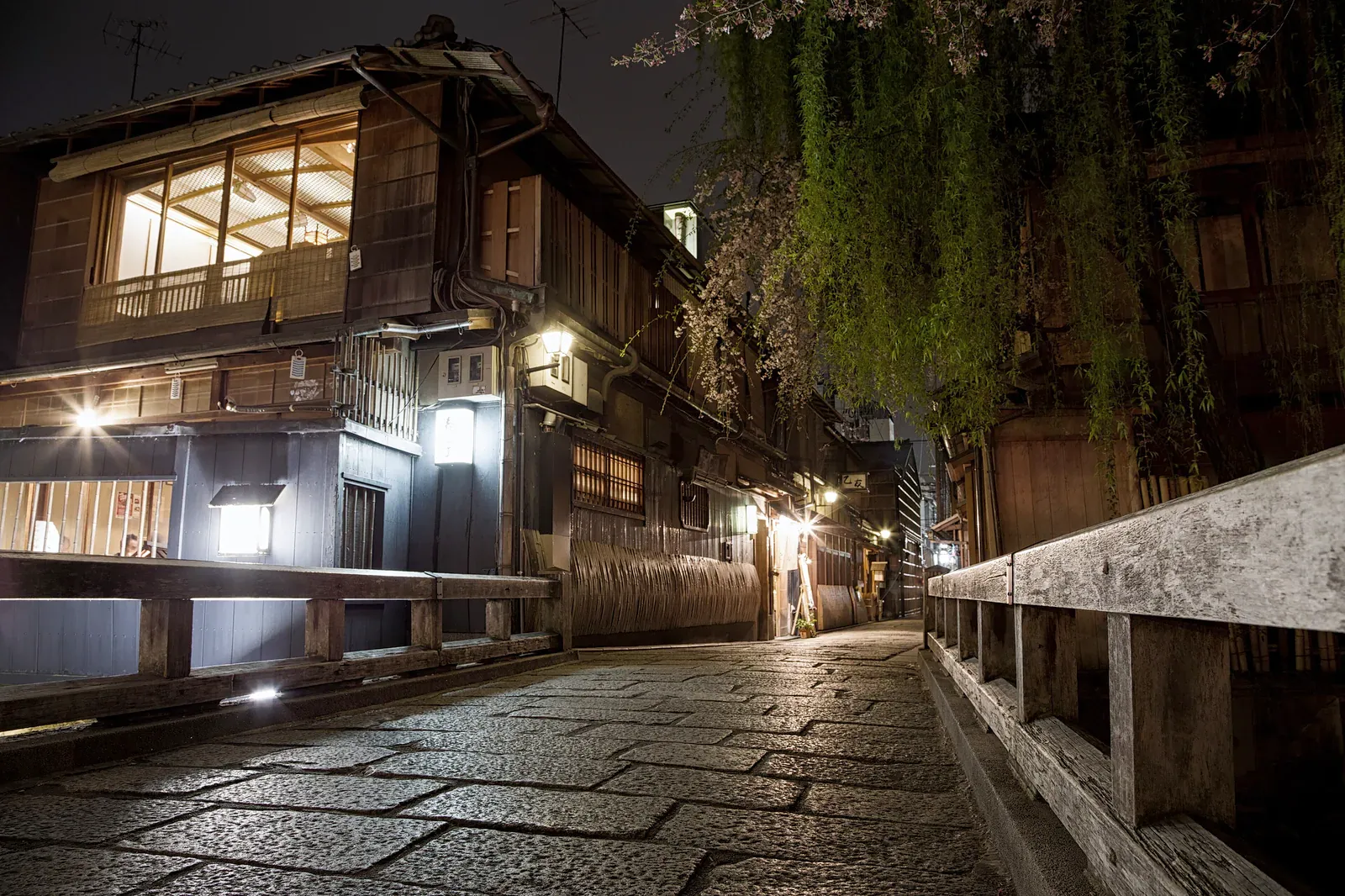
Yasaka sits in Gion, so the district’s street rules apply on the way. Kyoto’s tourism site asks visitors not to stop geiko or maiko or photograph them without permission, and some private lanes are reportedly closed to pass-through. The detail is in Gion: what you may photograph, what you may not.
How to combine them in a day
Opening and closing times set the order. The seven sites sit in six districts: Kiyomizu-dera and Sanjusangen-do in Higashiyama, Yasaka Shrine in Gion, Ginkaku-ji in Sakyo, Kinkaku-ji in Kita, To-ji in Minami and Fushimi Inari in Fushimi.
- Early: To-ji’s gate opens at 05:00 (its halls at 08:00), Kiyomizu-dera at 06:00, and Fushimi Inari’s grounds are reported open 24 hours.
- Mid-day: Sanjusangen-do opens 08:30 (09:00 last known from 16 November) and Ginkaku-ji 08:30 or 09:00. In winter, reach Sanjusangen-do before 15:30 (last known last entry) and Ginkaku-ji before its 16:30 closing.
- Any time: Kinkaku-ji, 09:00 to 17:00 all year.
- Evening: Kiyomizu-dera’s night viewing on 21 to 30 November 2026 runs to 21:30, and Yasaka Shrine’s grounds are reported open all night.
Check the time for each leg; Kansai covers getting around.
Before you go Carry cash. Kyoto’s tourism site says many purchases and temple admissions can only be paid in cash.
The seven at a glance
| Site | Fee | Hours | Closed | Status |
|---|---|---|---|---|
| Kiyomizu-dera | Not found; last known $3 (¥500) | From 06:00; closing varies | Not found | Fee and closing unconfirmed |
| Fushimi Inari | Free (reported) | Grounds 24 h (reported) | None found | Secondary notes |
| Kinkaku-ji | Not found; last known $3 (¥500) | 09:00 to 17:00 | Not found | Fee unconfirmed |
| Ginkaku-ji | Not found | 08:30 to 17:00 (Mar to Nov); 09:00 to 16:30 (Dec to Feb) | Not found | Fee unconfirmed |
| To-ji | $5 (¥800); $8 (¥1,200) with Kanchi-in | Gate 05:00 to 17:00; halls 08:00 to 17:00 | None listed | Official, 2026 only |
| Sanjusangen-do | $4 (¥600) | 08:30 to 17:00 (1 Apr to 15 Nov); winter last known 09:00 to 16:00 | None listed | Search summary |
| Yasaka Shrine | Not found | Office 09:00 to 17:00; grounds 24 h (reported) | 31 Dec 2026 unclear | Fee unconfirmed |
To verify Confirm the Kiyomizu-dera, Kinkaku-ji, Ginkaku-ji and Yasaka Shrine fees and Sanjusangen-do’s winter hours on the official page or by phone before you go.
Where next?
- The temples and shrines guide: every site in one table.
- Nara, Osaka, Koyasan, Ise and Nagoya: Todai-ji, Kasuga Taisha, Horyu-ji and more.
- Shrine and temple etiquette and Goshuin.
- Kansai: getting around, seasons and lodging tax.
- The Culture hub.
Questions
In the 2026 schedule, $5 (¥800) for the Kondo and Kodo halls and $8 (¥1,200) with Kanchi-in. Special periods add tickets of $8 (¥1,200) to $13 (¥2,000), and autumn illumination is $6 (¥1,000). To-ji has not published 2027 fees.
06:00. Closing time varies by season and event and is not found. Night viewing runs until 21:30 on 21 to 30 November 2026, with last entry at 21:00.
Reportedly both: free and open 24 hours, per secondary notes. The shrine's English pages give neither. Its visitor request page bans drones, commercial photography, and eating or drinking outside marked rest areas.
The last known figure is $3 (¥500), from a search snippet, so the current fee is unclear right now. The official pages name a visit offering without an amount and post a fee revision notice.
Last known: 09:00 to 16:00 with last entry at 15:30, from 16 November to 31 March (2025-26). The 2026-27 winter hours are unclear right now. From 1 April to 15 November 2026 it runs 08:30 to 17:00.