
Guide · Culture
Muromachi and Sengoku Japan (1336 to 1603): from the Ashikaga to Sekigahara
Civil war ended at Sekigahara on 21 October 1600, decided by a commander who waited. Ieyasu became shogun in 1603. Places to visit, with fees.
The Sengoku period, the long run of civil war that began in 1467, ended in a single day at Sekigahara on 21 October 1600. Per the US National Park Service, about 80,000 men stood on each side, the fighting began around 07:30 in fog, and the result turned on a commander who sat on a hill for hours. The Muromachi period (1338 to 1573) and the Sengoku period (about 1467 to 1600) run together from the Ashikaga takeover in 1336 to 1603, when Tokugawa Ieyasu became shogun.
This page covers the turning points, the Sekigahara story and the places to visit. It follows the Kamakura period and leads into the Edo period. The castles themselves are in Samurai castles and houses.
When were the Muromachi and Sengoku periods?
Muromachi is the era of the Ashikaga shoguns, dated 1338 to 1573: Ashikaga Takauji revolted in 1336 and took the title of shogun in 1338. Sengoku is the age of civil war inside it, dated about 1467 to 1600, from the Onin War to Sekigahara. The two overlap for about a century, so one page covers both.
| Year | What happened |
|---|---|
| 1336 to 1338 | Takauji drives Emperor Go-Daigo from Kyoto and becomes shogun |
| 1467 to 1477 | Onin War burns Kyoto; the shogun's authority collapses |
| 1582 | Nobunaga dies at Honno-ji; Hideyoshi takes over |
| 1588 | The Sword Hunt disarms farmers and temples |
| 1590 | Ieyasu is given the Kanto region, including Edo |
| 21 Oct 1600 | Battle of Sekigahara |
| 1603 | Ieyasu becomes shogun; the government sits in Edo |
| 1615 | The siege of Osaka ends the Toyotomi line |
How did the Ashikaga take power, and lose it?
In 1336 Ashikaga Takauji drove Emperor Go-Daigo out of Kyoto, and in 1338 he took the title of shogun. Rival Northern and Southern courts then existed side by side for about 60 years.
The shogun’s authority did not hold. The Onin War, from 1467 to 1477, burned Kyoto and broke it, and the Sengoku period begins there.
How did Japan come back together?
Power passed from Oda Nobunaga to Toyotomi Hideyoshi and then to Tokugawa Ieyasu.
In 1582 Akechi Mitsuhide attacked Oda Nobunaga at Honno-ji in Kyoto. Nobunaga died, and sources are unsure whether he was killed or took his own life. Toyotomi Hideyoshi defeated Akechi and took over.
In 1588 Hideyoshi’s Sword Hunt disarmed farmers and temples. In 1590, after the Odawara campaign, Ieyasu was given the Kanto region, which included Edo. In 1603 Edo became the seat of Ieyasu’s government.
Who decided the Battle of Sekigahara?
Kobayakawa Hideaki did, by waiting. According to the US National Park Service, about 80,000 men fought on each side on 21 October 1600, and the fighting began around 07:30 in fog.
Wait, really? Hideaki had pledged to Ishida Mitsunari, yet he sat idle on Mt Matsuo for hours. Around noon he sent about 15,000 men down the slope against the smaller force of Otani Yoshitsugu, and the western side collapsed. The battle is usually described as over by about 14:00.
Three years later, in 1603, Ieyasu became shogun with his government in Edo. The siege of Osaka in 1615 ended the Toyotomi line, per the National Park Service.
What changed for ordinary people?
Villages defended themselves through the era, and peasants were armed. The Sword Hunt of 1588 changed that: it disarmed farmers and temples and froze the line between farmer and warrior.
The Edo page covers the class system that followed.
See it today
Three kinds of site match the era: a battlefield, a castle and a Kyoto temple. Nijo Castle, a Tokugawa residence from 1603, is on the Edo page.
| Place | City | What you see | Fee | Hours |
|---|---|---|---|---|
| Sekigahara museum | Sekigahara | The Gifu Sekigahara Battlefield Memorial Museum | Reported $3 (¥500); high school and university $2 (¥300); junior high and under free | 09:30 to 17:00, last entry 16:30; closed Mondays and 29 Dec to 3 Jan |
| Town museum | Sekigahara | The Sekigahara Town History Museum | Free | Not found |
| Himeji Castle | Himeji | A castle from the era's closing years | $16 (¥2,500) adult; under 18 free | 09:00 to 17:00, last entry 16:00; closed 29 and 30 Dec |
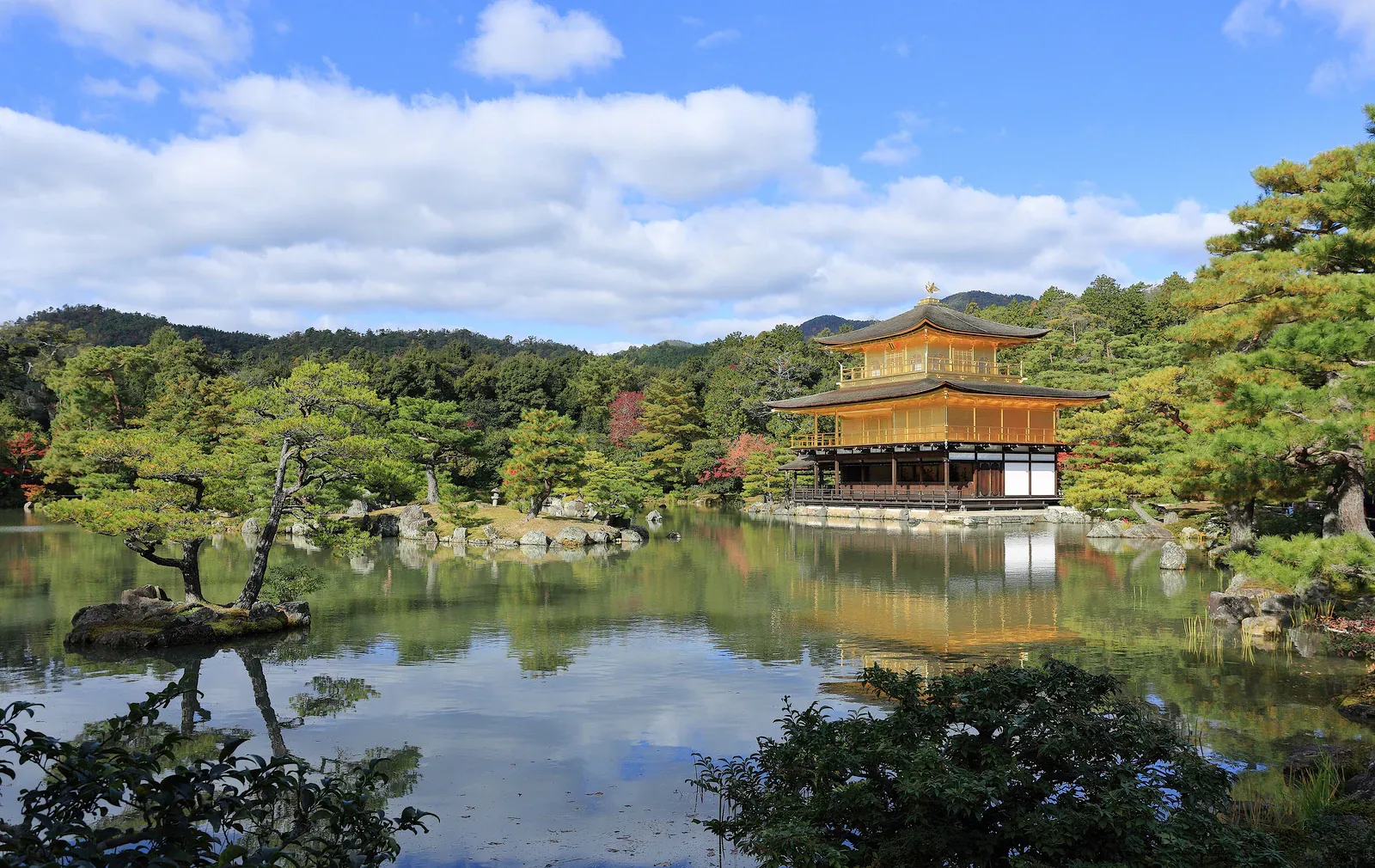
| Kinkaku-ji | Kyoto | The Gold Pavilion of Rokuon-ji, tied to the Yoshimitsu era | Unclear right now; last known $3 (¥500) | 09:00 to 17:00 |
Dollar figures use about ¥155 to US$1 and are rounded; you pay in yen, so check the rate.
To see the sites in date order, start with Kinkaku-ji for the Ashikaga years, then Sekigahara for 1600, then Himeji for the era’s closing years. They are in three different places, so treat each as its own stop.
The Sekigahara museum is a 10-minute walk from Sekigahara Station and closes the next day when a Monday is a public holiday. Its official page gives no fee, so the table figure is a reported one.
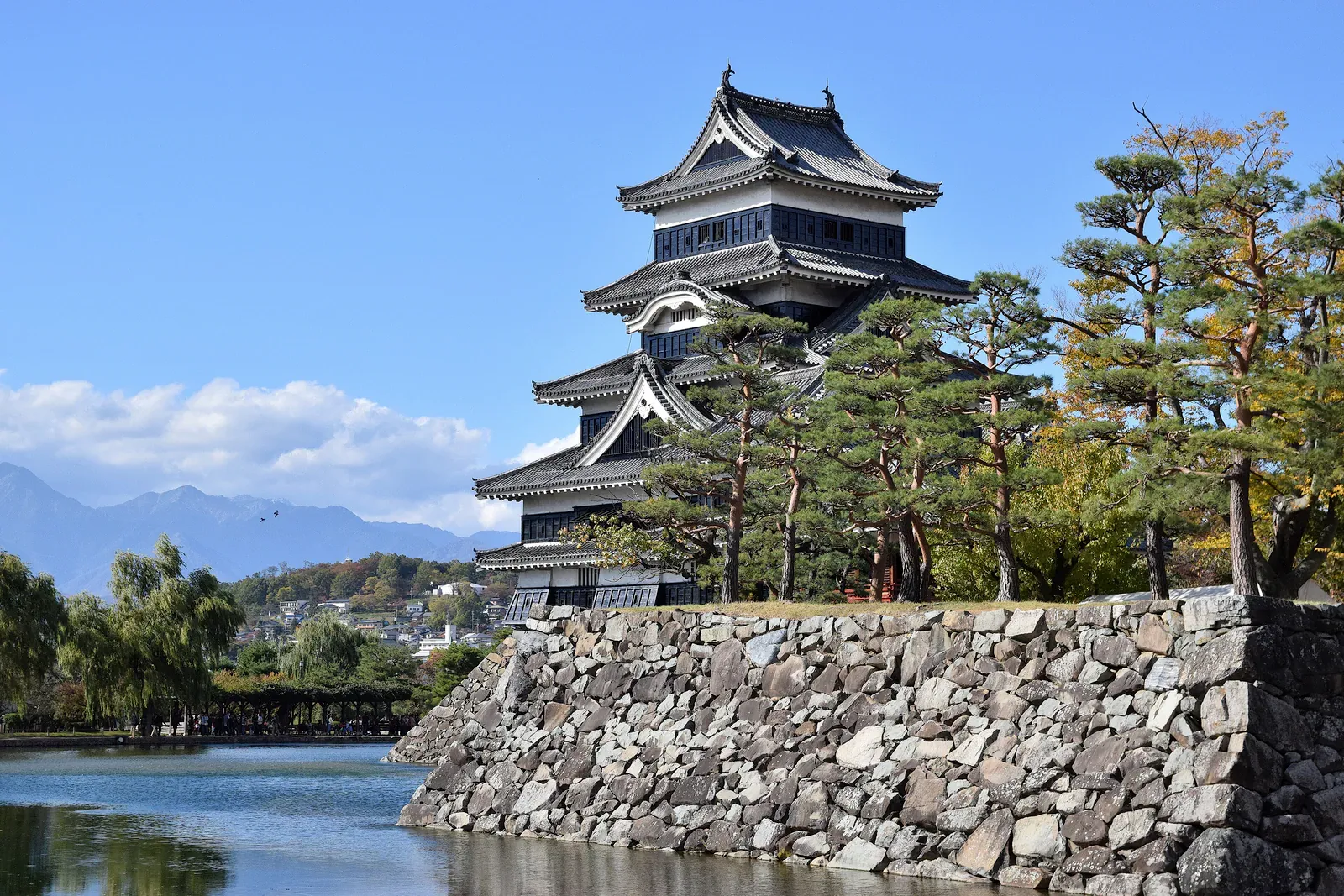
Himeji’s $16 (¥2,500) adult fee dates from 1 March 2026. Himeji city residents pay $6 (¥1,000), a combined ticket with the Kokoen garden is $17 (¥2,600), and an annual pass is $32 (¥5,000). The wider list of castles, with Matsumoto, Nagoya, Osaka and Nijo, is in Samurai castles and houses. Kinkaku-ji is covered with six other sites in Kyoto temples and shrines.
Where next?
- Earlier: Kamakura. Later: Edo.
- The history guide places every era on one timeline.
- Samurai castles and houses gives fees, hours and winter status for Himeji, Matsumoto and more.
- The temples and shrines guide covers Kyoto’s temples in one table.
- The Culture hub holds every culture topic, and the culture guide gives the overview.
Questions
About 1467 to 1600, from the Onin War to the Battle of Sekigahara. It overlaps the second half of the Muromachi period, which is dated 1338 to 1573.
Tokugawa Ieyasu. The battle was fought on 21 October 1600, and Ieyasu became shogun in 1603 with his government in Edo. The western side under Ishida Mitsunari collapsed, and the battle is usually described as over by about 14:00.
He waited. According to the US National Park Service, Hideaki had pledged to Mitsunari but sat idle on Mt Matsuo for hours. Around noon he sent about 15,000 men against Otani Yoshitsugu's smaller force, and the western side collapsed.
Toyotomi Hideyoshi's order that disarmed farmers and temples. It froze the line between farmer and warrior, ending an era in which peasants had been armed.
Yes. The Gifu Sekigahara Battlefield Memorial Museum is a 10-minute walk from Sekigahara Station and opens 09:30 to 17:00, with last entry at 16:30. It closes on Mondays and from 29 December to 3 January.