
Guide · Culture
Emperor vs shogun: who ruled Japan in each period
Both, in different ways. Shoguns led the military government from 1192 to 1868 while the emperor stayed in Kyoto. A period table and places to see.
Both, in different ways. From 1192 a shogun headed the military government, first at Kamakura and, under the Tokugawa from 1603, at Edo. The emperor stayed in Kyoto when the first shogunate formed, and the capital moved from Kyoto to Tokyo only in 1868, when the shogunate ended and the emperor moved to the centre of government.
Each period has its own page: Heian, Kamakura, Edo and Meiji. The page sits in the Culture hub beside the history guide.
Who held power in each period?
Read the years as ranges: sources begin Kamakura in 1185 or 1192, and the Kyoto National Museum dates Heian as 794 to 1192.
| Period | Years | Who held power |
|---|---|---|
| Kofun and Yamato | c. AD 250 to 6th century | Yamato rulers, whose power the giant keyhole-shaped tombs mark |
| Asuka and Nara | 6th century to 794 | The Soga clan backed Buddhism and won; the Taiho Code of 701 set up a law-based state; the capital moved to Nara in 710 |
| Heian | 794 to 1185 | Emperor Kanmu moved the capital to Kyoto in 794; the Taira and Minamoto warrior bands rose |
| Kamakura | 1185 to 1333 | Minamoto no Yoritomo, named shogun in 1192; Hojo regents from 1199 |
| Muromachi and Sengoku | 1338 to 1603 | Ashikaga shoguns until the Onin War broke their authority; then Nobunaga, Hideyoshi and Ieyasu |
| Edo | 1603 to 1868 | Tokugawa shoguns, seated at Edo |
| Meiji | 1868 to 1912 | The emperor at the centre of government; a constitution in 1889 |
| Taisho and Showa | 1912 to 1989 | Prime ministers such as Hara Takashi (1918) and Yoshida Shigeru (postwar); Allied occupation from 1945 to 1952; a new Constitution in 1947 |
| Heisei and Reiwa | 1989 to today | Emperors Akihito and Naruhito; Akihito abdicated in 2019 |
What changed with the Kamakura shogunate?
Government and court sat in different cities. Minamoto no Yoritomo won the Genpei War in 1185 and installed military governors and land stewards nationwide. In 1192 he was named shogun, with the government at Kamakura and the emperor in Kyoto. The result was two centres of power.
After Yoritomo died in 1199 the Hojo family held the regency by inheritance, and shoguns became figureheads. The shogunate fell in 1333. Warriors had expected land rewards after the defensive war against the Mongol invasions of 1274 and 1281, and that war brought no spoils. See Kamakura.
What happened between Kamakura and Edo?
Shogunal authority was lost and then rebuilt. Ashikaga Takauji drove Emperor Go-Daigo from Kyoto in 1336 and took the shogun title in 1338. A split into rival Northern and Southern courts lasted about 60 years. The Onin War of 1467 to 1477 burned Kyoto and shattered shogunal authority, and the Sengoku, or warring states, period began.
Oda Nobunaga died at Honno-ji in 1582, and Toyotomi Hideyoshi defeated his attacker, Akechi Mitsuhide, and took over. Hideyoshi’s Sword Hunt of 1588 disarmed farmers and temples. At Sekigahara on 21 October 1600, per the US National Park Service, Kobayakawa Hideaki, who had pledged to Ishida Mitsunari, sat idle for hours and at about noon sent about 15,000 men against Otani Yoshitsugu’s smaller force, and the western army collapsed. Tokugawa Ieyasu became shogun in 1603, and the siege of Osaka in 1615 ended the Toyotomi line. See Muromachi and Sengoku.
How did the Tokugawa govern?
From Edo, with rules that tied the lords to the shogun. In 1635 the third shogun, Tokugawa Iemitsu, made sankin-kotai compulsory: each daimyo alternated his residence between Edo and his domain, and his family stayed in Edo as hostages. Society was fixed in four tiers, warrior, farmer, artisan and merchant. The US National Park Service describes about 260 years of peace. See Edo.
How did 1868 change the answer?
It ended the shogunate and put the emperor at the centre of government. Perry’s arrival in 1853 to 1854 and the treaties that followed had ended seclusion. In 1868 the capital moved from Kyoto to Tokyo, which was Edo renamed. The domains were abolished in 1871 and prefectures created.
Samurai stipends ended and sword-wearing was banned in 1876, and the Satsuma Rebellion of 1877 marked the end of the samurai as a class. The Meiji Constitution followed in 1889, and Ito Hirobumi was the first prime minister. See Meiji.
Who held power after Meiji?
Prime ministers headed governments, and the vote widened in 1925 and 1946. Hara Takashi became the first commoner prime minister in 1918, and universal male suffrage came in 1925. The Allied occupation lasted from 1945 to 1952, women could vote from 1946, and a new Constitution, including Article 9, dates from 1947. Yoshida Shigeru was a postwar prime minister.
The war years from 1931 to 1945 are in Taisho and Showa. The imperial succession shows in the era names: the Chief Cabinet Secretary announced Heisei in 1989 and Reiwa in 2019, and Akihito abdicated in 2019 (Japanese era names).
Where can you see both sides?
Kyoto holds the court and the shogun’s Kyoto residence, and Gifu holds the museum for the battle fought before Ieyasu became shogun.
| Place | What it shows | Fee |
|---|---|---|
| Kyoto Imperial Palace | The court's Kyoto site | Free |
| Nijo Castle | The Ninomaru Palace, the shogun's Kyoto residence | Unclear right now; last known $8 (¥1,300) |
| Sekigahara museum | The battle of 21 October 1600, 10 minutes' walk from Sekigahara Station | $3 (¥500), reported |
Dollar figures use about ¥155 to US$1 and are rounded; you pay in yen, so check the rate.
- Kyoto Imperial Palace: no reservation, with a security check. Closed on Mondays (the next day if Monday is a holiday) and from 28 December to 4 January, and it may close for court events. The Imperial Household Agency page lists closing at 17:00 from April to August, 16:30 in March and September, and 16:00 from October to February, last known. The opening time is not found.
- Nijo Castle: opens 08:45, last entry 16:00, closes 17:00. The Ninomaru Palace is closed on Tuesdays in January, July, August and December, from 26 to 28 December and from 1 to 3 January. The grounds close from 29 to 31 December.
- Sekigahara Battlefield Memorial Museum: 09:30 to 17:00, last entry 16:30. Closed on Mondays (the next day if Monday is a holiday) and from 29 December to 3 January. The fee is $3 (¥500) for adults and $2 (¥300) for high school and university students, per a secondary source.
Before you go Nijo Castle has an official notice of shortened hours on Sunday 6 December 2026; read it before you plan that day. Confirm Nijo’s December and January closures for 2026-27 and both fees on the official pages.
Where next?
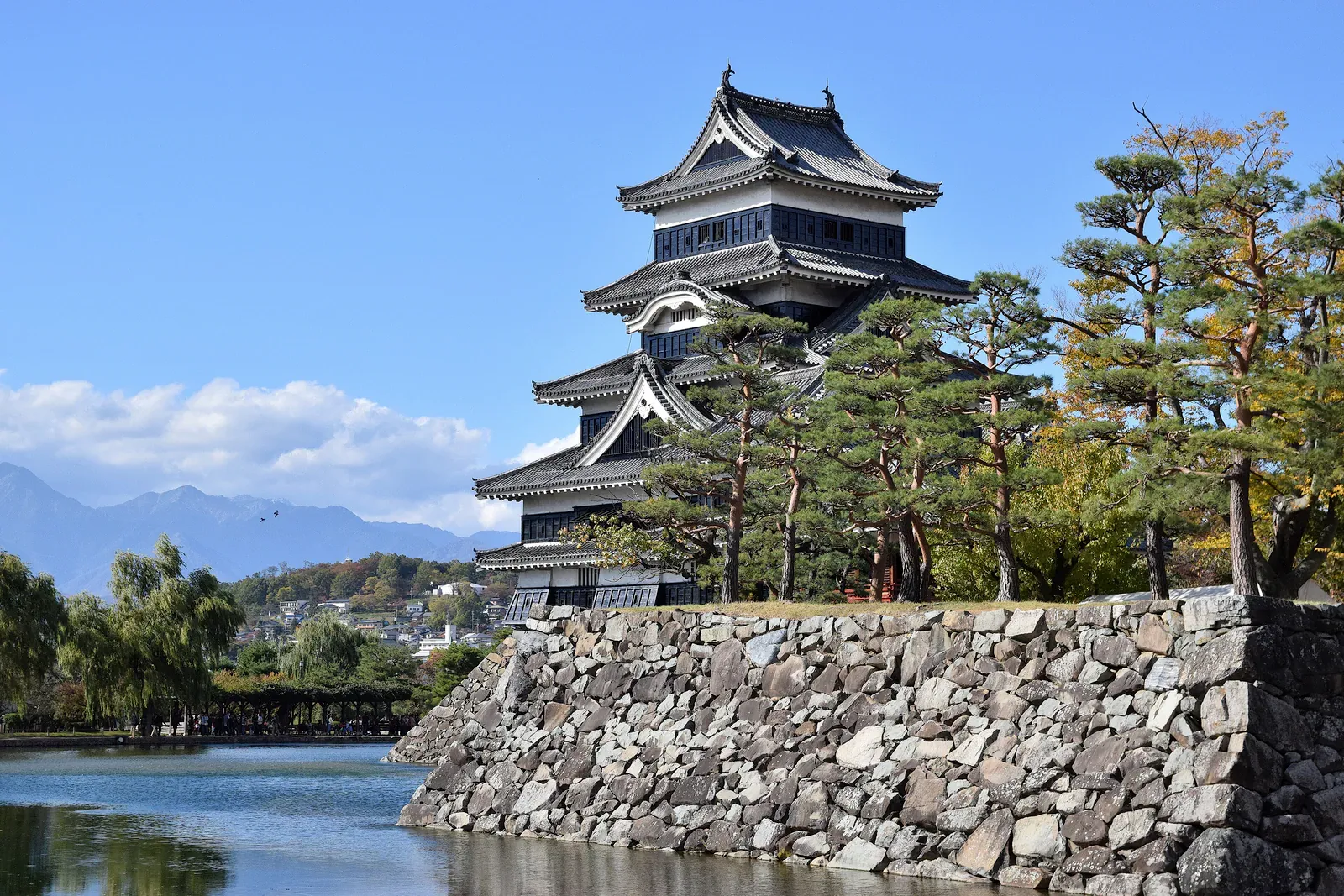
- Samurai castles and history gives fees, hours and winter status for Himeji, Matsumoto and more.
- The Culture hub holds every culture topic.
Questions
Both, in different ways. From 1192 a shogun headed the military government, first at Kamakura and, under the Tokugawa from 1603, at Edo, while the emperor stayed in Kyoto. The shogunate ended in 1868, when the emperor moved to the centre of government and the capital moved to Tokyo.
In 1185 Minamoto no Yoritomo won the Genpei War and installed military governors and land stewards nationwide, and in 1192 he was named shogun. Sources date the start of the Kamakura shogunate to either year.
No. When the first shogunate formed, the emperor stayed in Kyoto while the government sat in Kamakura. The capital remained in Kyoto until 1868, when it moved to Tokyo.
After Yoritomo died in 1199, the Hojo family held the regency by inheritance, and shoguns became figureheads. The Kamakura shogunate fell in 1333.
In 1868, with the Meiji Restoration. The emperor moved to the centre of government, the capital moved from Kyoto to Tokyo, which was Edo renamed, and the domains were abolished in 1871.