Guide · Culture
Dogs of Japan: the six Nihon Ken and where they come from
Six Nihon Ken breeds, each tied to a region from Hokkaido to Kochi, plus four other Japanese breeds, the Hachiko story and the Akita split.
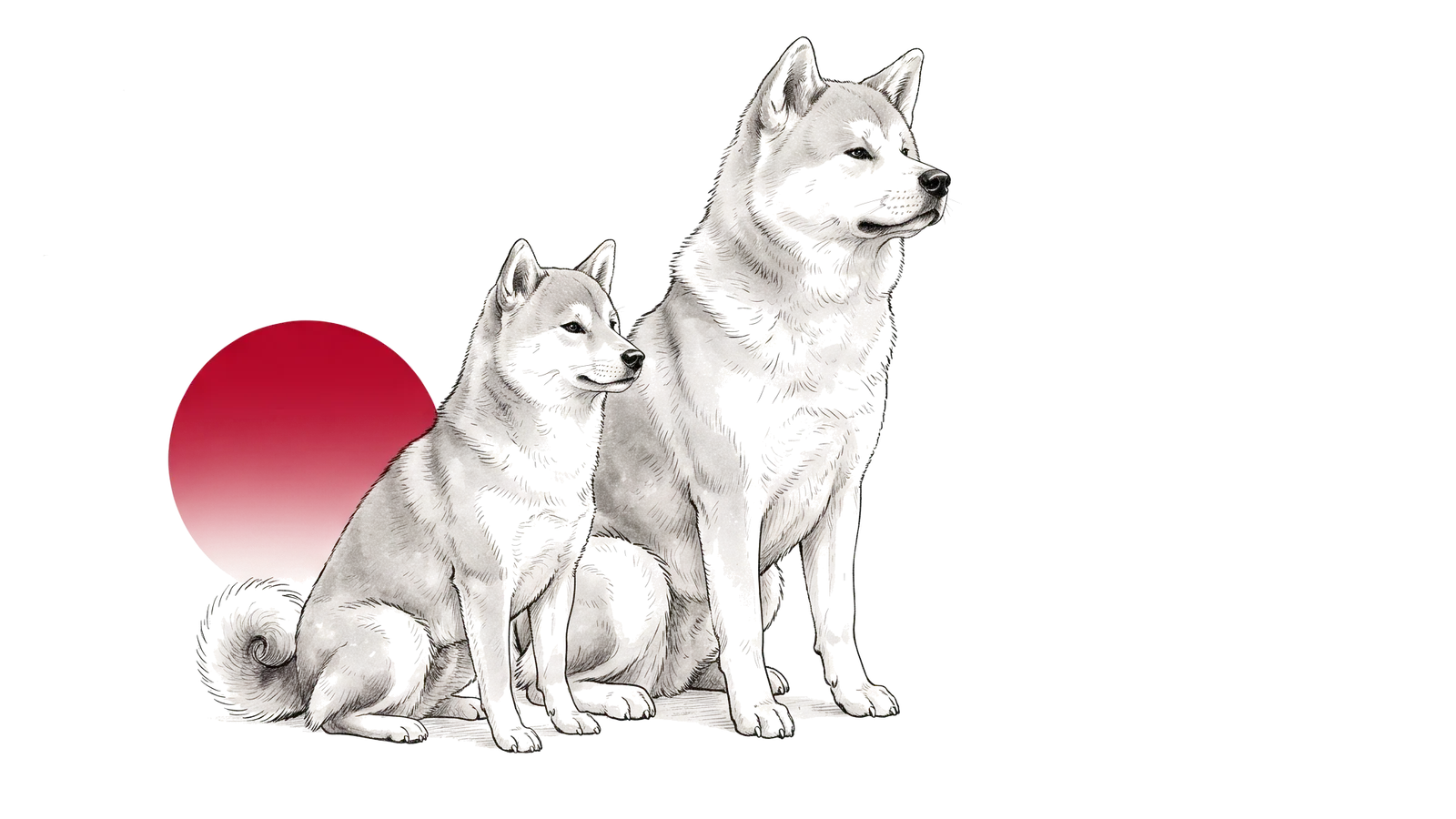
Six of Japan’s ten Japanese breeds are the Nihon Ken, the ones the preservation society treats as truly native: the Akita, Shiba Inu, Kishu, Shikoku, Kai Ken and Hokkaido. Each comes from a different part of the country, from Hokkaido to Kochi on Shikoku. The facts on this page follow the Dogs of Japan guide on DogsAtlas (dogsatlas.com (opens in a new tab)).
Which dogs are native to Japan?
Ten breeds are Japanese in origin, and an eleventh, the American Akita, is Japanese only in its roots. The ten fall into two groups.
The first group is the six Nihon Ken. “Nihon” means Japan and “ken” means dog, a variant of “inu”. They are medium and large spitz-type hunting dogs, and in practice the term covers the six breeds the preservation society treats as truly native.
The second group is four other Japanese breeds: the Japanese Chin, Tosa, Japanese Spitz and Japanese Terrier. A Ryukyu dog from Okinawa is a local type that no major registry recognises, so it is left out of the comparisons here.
Seven of the Japanese breeds belong to the Asian Spitz DNA family. The Shiba and the Shikoku date to about 300 BCE with medium confidence, which describes a dog type and not an unbroken pedigree.
Where do the six Nihon Ken come from?
Each breed is tied to a region and a hunting job.
| Breed | Region | Size | Original job |
|---|---|---|---|
| Akita | Odate, Akita | About 61 to 67 cm | Bear and boar |
| Shiba Inu | Chubu mountains | About 36.5 to 39.5 cm | Small game and birds |
| Kishu | Kii Peninsula | About 46 to 52 cm | Boar and deer |
| Shikoku | Kochi, Shikoku | About 46 to 52 cm | Mountain hunting |
| Kai Ken | Yamanashi | Medium | Deer and boar |
| Hokkaido | Hokkaido | About 48 cm | Bear and deer |
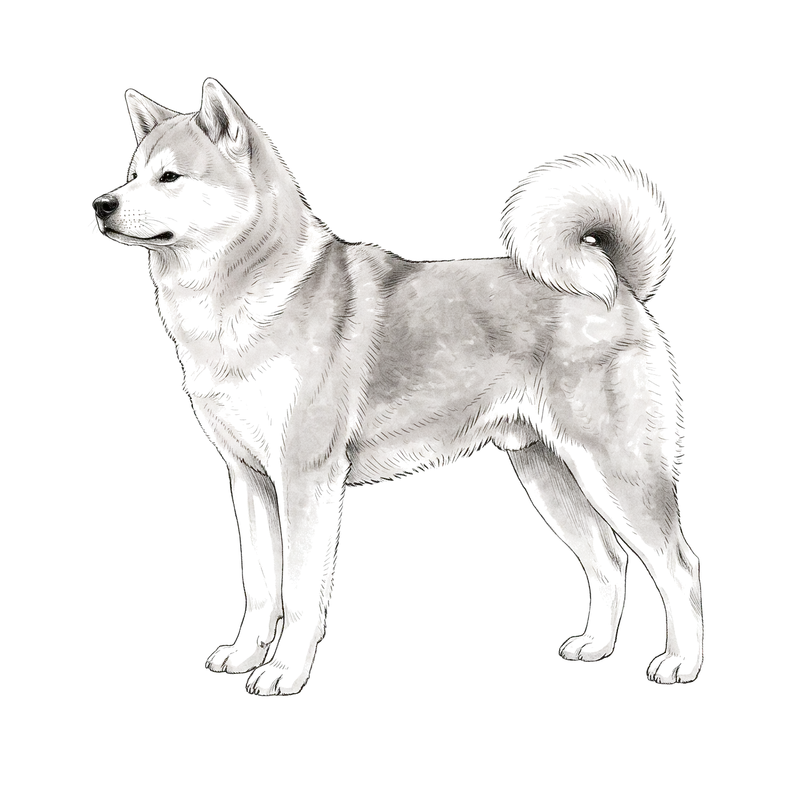
Akita. The largest of the six comes from Odate in Akita Prefecture, northern Honshu, where it worked for the matagi, traditional hunters of bear, boar and deer. The FCI standard is about 67 cm for males and 61 cm for females. Early 20th-century owners crossed Akitas with Tosa and other large dogs to breed bigger fighters, which changed the type and was one reason the preservation society formed.
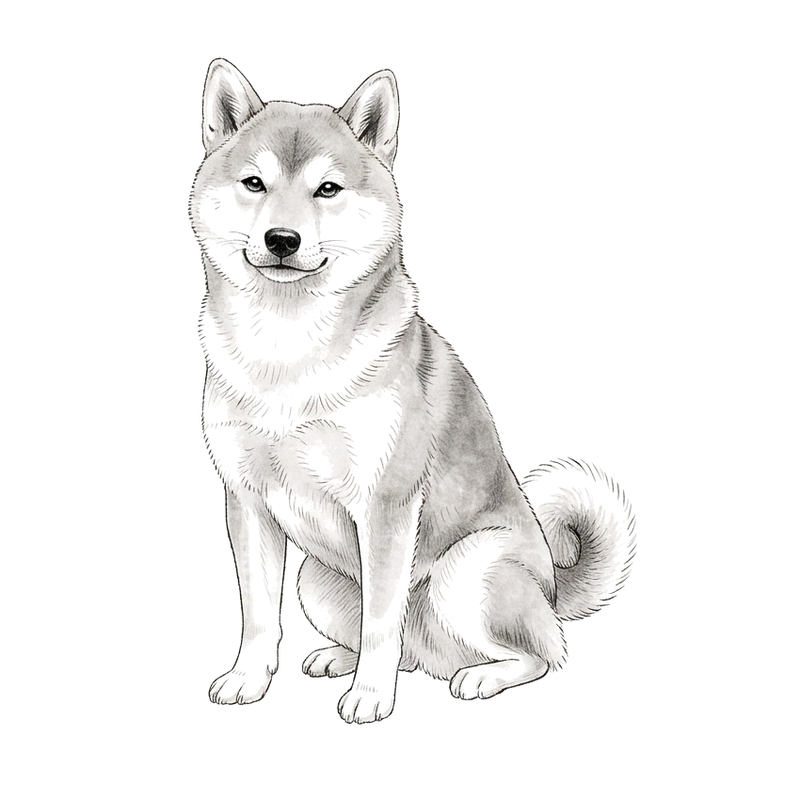
Shiba Inu. The smallest of the six comes from the Chubu mountains of central Honshu, where it hunted small game and birds in dense brush. The standard is about 39.5 cm for males and 36.5 cm for females. The name probably means “brushwood”, though “small” is another reading. Three regional types, the Shinshu, Mino and San’in, fed the modern breed. It is the most popular Japanese breed abroad.
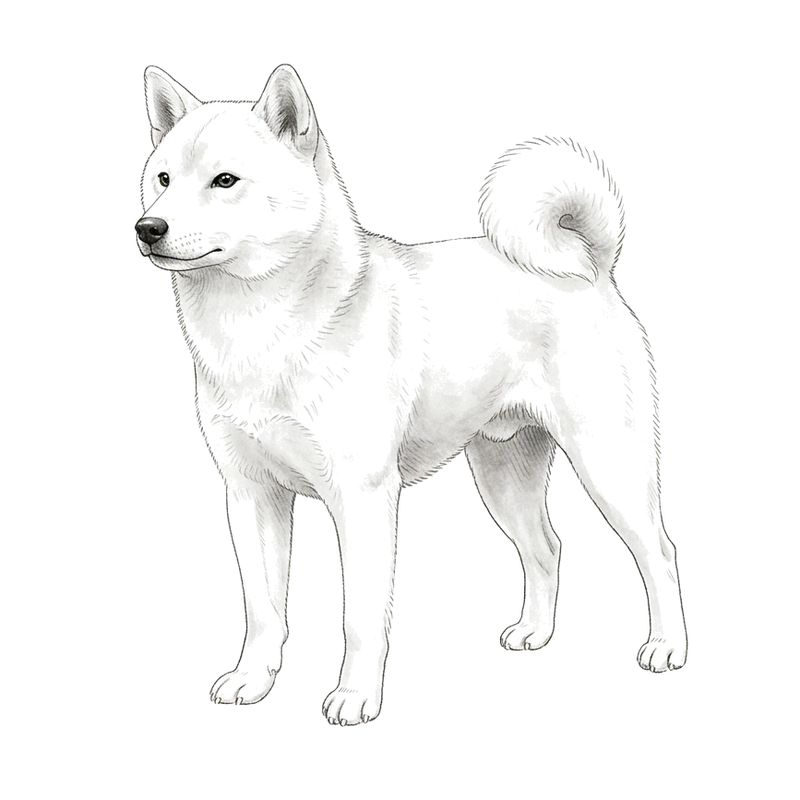
Kishu. Home is the Kii Peninsula, in Wakayama and Mie. It is a medium dog of about 46 to 52 cm, usually white, though red and sesame occur, that hunted boar and deer.
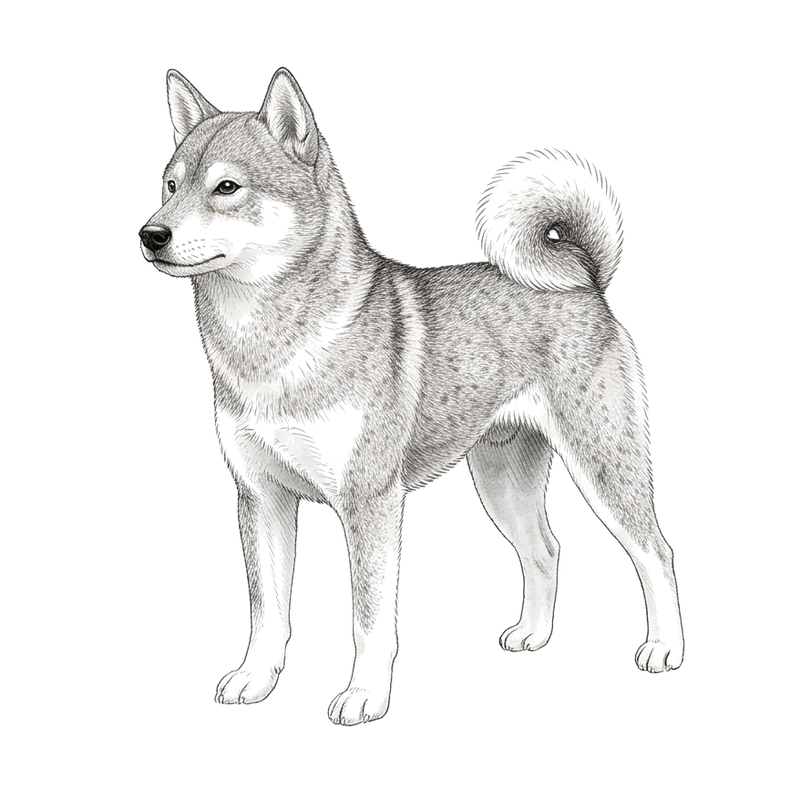
Shikoku. This lean, agile mountain hunter comes from Kochi on Shikoku and stands about 46 to 52 cm. It is usually sesame, a mix of red and black hairs. Its remote home mountains kept the type fairly pure.
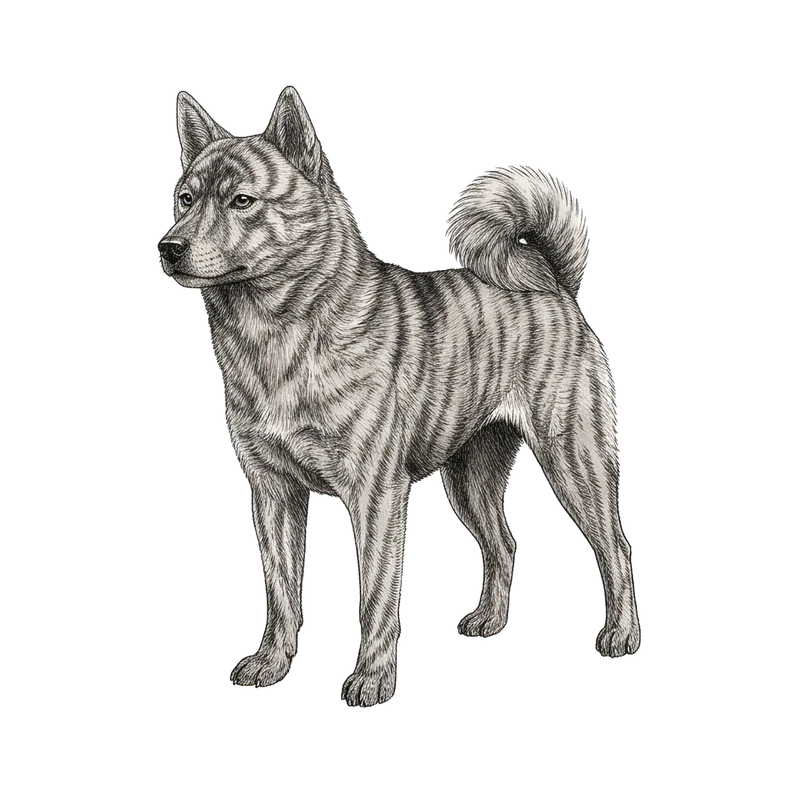
Kai Ken. Home is Yamanashi, the old Kai Province. It is a medium dog with a brindle coat, nicknamed the “tiger dog” (Tora Inu), that hunted deer and boar in steep country and is rare even in Japan.
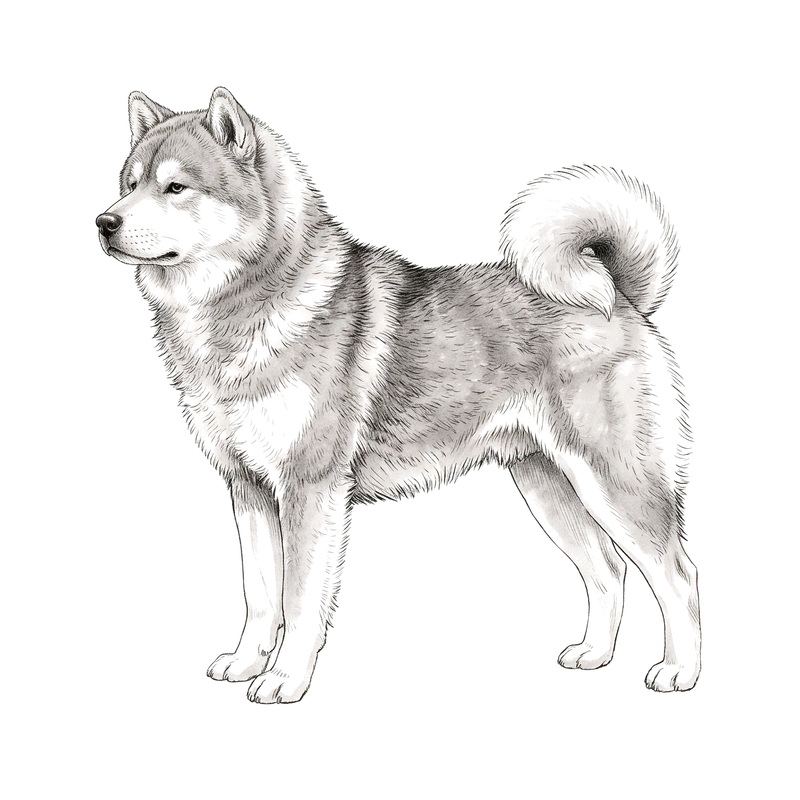
Hokkaido. Also called the Ainu dog or Seta, it was kept by the Ainu for bear and deer hunting and stands about 48 cm. For the people behind it, see Ainu history and Hokkaido.
More to read
- Ainu and Ryukyu figures and the places that tell their storyTwo people, two places: the Kayano Shigeru Nibutani Ainu Museum in Hokkaido and Shuri Castle Park in Okinawa, with last known hours, fees and booking rules.
- Famous people of Japan and the places to see themSixteen people from anime, games, art, architecture and samurai history, each with a museum, temple or site to visit and last known hours and fees.
- Modern Japan's people and the places that tell their storiesSeven people from government, business, diplomacy, war memory and manga, each with a museum, shrine or residence to visit and last known hours and fees.
- Three unusual places in Japan and how to visit themOsorezan in Aomori, Doai station in Gunma and the Yumenoshima greenhouse in Tokyo: what each is, how to reach it and the rule to follow when you visit.
- Japan's writers, tea masters and monks, and their placesWriters, a tea master and two founders of Buddhist temples, each with a place to visit and last known hours, fees and booking rules.

How did Japan protect its native dogs?
Japan opened to the outside world in the second half of the 19th century, and Western dogs such as English Pointers and Setters, German Shepherds and mastiffs were crossed into village dogs. By the early 20th century, scholars and hunters worried that the local dogs were fading.
The Akita preservation society was founded in Odate in 1927. In 1928 Dr. Hirokichi Saito founded the Nihon Ken Hozonkai to survey the surviving native dogs, choose examples and record their type. The society was formally named in 1932, and a written Nihon Ken standard followed in 1934.
The Natural Monument designations came by year.
| Breed | Natural Monument |
|---|---|
| Akita | 1931 |
| Kishu | 1934 |
| Kai Ken | 1934 |
| Shiba Inu | 1936 |
| Shikoku | 1937 |
| Hokkaido | 1937 |
Designation did not make the dogs untouchable pets. It tied the breeds to a Japanese idea of a “pure” type, and that idea still shapes breeding and judging.
What happened to the dogs in World War II?
Food was short during the war, and the government ordered dogs not needed for the war effort to be culled. The pelts of some dogs, Akitas among them, were used for military clothing.
Some owners crossed their dogs with German Shepherds, which was allowed because of their military use, to disguise them. Others released dogs into the mountains. Distemper then swept through the survivors after the war.
A few enthusiasts kept pure dogs alive in remote places, and the Shiba and Akita populations were rebuilt from a small number of lines. No survivor counts were recorded.
Hachiko
Hachiko, born near Odate, is the dog of the Shibuya Station story. He was born in November 1923 on a farm and went to Tokyo in 1924 to live with Hidesaburo Ueno, a University of Tokyo professor. He walked with Ueno to Shibuya Station each day and met him there in the evening.
Ueno died suddenly at work on 21 May 1925. Hachiko kept returning to the station for about nine more years, and a 1932 newspaper article made him known across Japan.
A bronze statue was made at Shibuya Station in 1934, and he is reported to have attended the unveiling. He was found dead near the station on 8 March 1935. The original statue was melted down for wartime metal, and a new one went up in 1948 and is still a popular meeting point. For the statue’s visit facts, see inventors, scientists and athletes.
How do you tell a Shiba from an Akita?
Size is the first sign.
| Point | Shiba Inu | Akita (Japanese type) |
|---|---|---|
| Height (FCI) | About 36.5 to 39.5 cm | About 61 to 67 cm |
| Original job | Flushing small game and birds | Hunting bear and boar with the matagi |
| Home | Central Honshu | Northern Honshu |
| Natural Monument | 1936 | 1931 |
Akita and American Akita
The American Akita grew out of Japanese roots. In 1937 the American writer Helen Keller visited Japan, admired the Akita and was given a puppy.
After 1945, American servicemen in occupied Japan took more dogs home. These were heavier and broader than the Japanese preservation-line dogs, and some carried wartime outcrosses. In the US the dogs grew larger with a bear-like head and more colours, including a black mask. In Japan the breed stayed lighter and fox-faced, limited to red, sesame, brindle and white.
The FCI separated the two types in 1999. The American type was first called the Great Japanese Dog and was renamed American Akita in 2006. The AKC lists the American type under the plain name Akita.
What are the other four Japanese breeds?
These four are not Nihon Ken.
Japanese Chin. A toy dog with a flat face, a feathered coat and a cat-like manner, about 20 to 27 cm. It was a lap dog of nobles and the court. Its ancestors are said to have come from the Asian mainland, and its modern shape formed in the 19th century. The FCI and the AKC recognise it, and it sits in the Asian Toy DNA family.
Tosa. The giant of the Japanese breeds, with males from about 60 cm. It was bred in Tosa Province, now Kochi, in the late 19th and early 20th centuries as a fighting dog, from native dogs crossed with European mastiff and bulldog types. Several countries restrict the breed, so check your own country’s rules.
Japanese Spitz. A small, pure white, fluffy dog of about 30 to 38 cm, developed from the 1920s to the 1940s by crossing spitz-type dogs. The usual story calls it a smaller Samoyed, but accounts differ and no documented Samoyed line exists. The FCI and the UK Kennel Club recognise it.
Japanese Terrier. The Nihon Teria is small and short-coated, white with a dark head, about 30 to 33 cm. It was developed around Kobe from the early 1700s, from European terriers brought by traders crossed with local dogs. It is rare and little known outside Japan.
Dogs in charms: inu-hariko and komainu
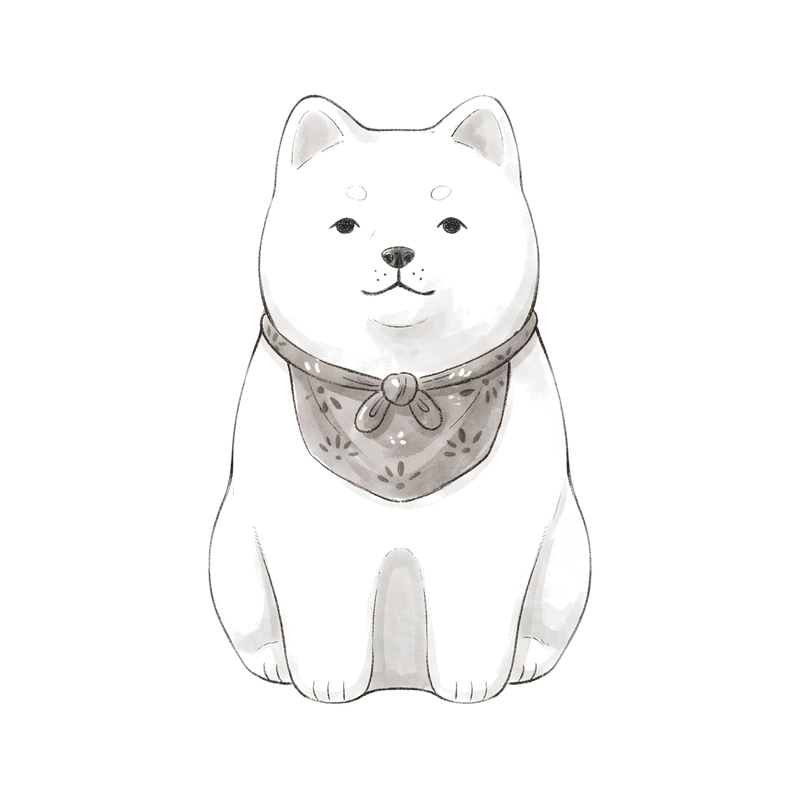
Dogs also appear in Japanese folk objects. An inu-hariko is a small papier-mache dog charm. Pairs were placed in the room of a woman in labour for an easy birth, and later they were given to protect a baby’s health. Some wear a basket on the head. Museums date them to the Edo period, with older roots, and they are still sold.
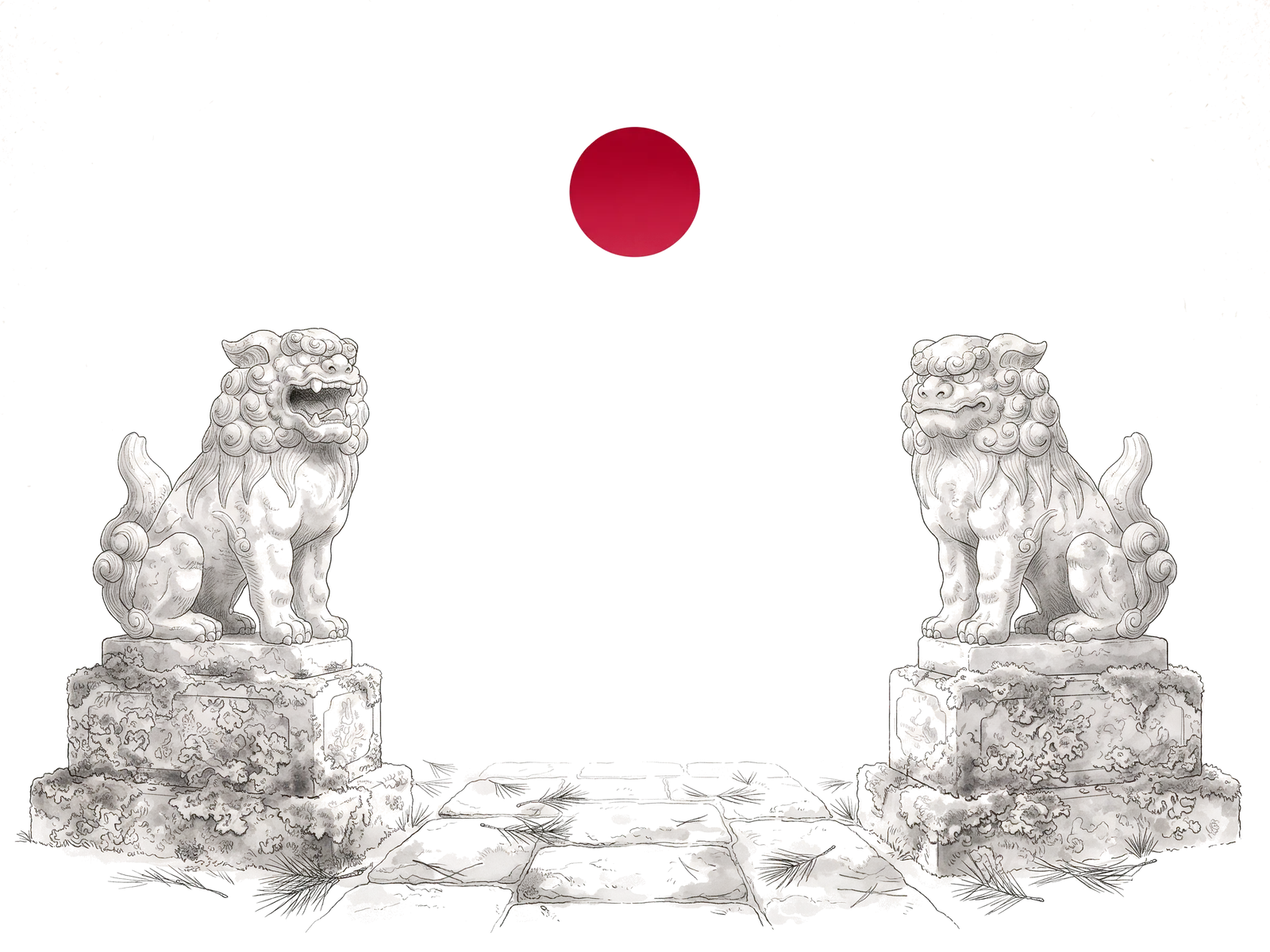
The komainu are the stone lion-dog guardians of shrines. For how to behave where they stand, see temple and shrine etiquette.
What does DNA say?
A large 2017 study by Parker and colleagues sorted 161 breeds into 23 groups, and the Akita, the Shiba and other east Asian breeds fell into the Asian Spitz group with strong support. Their 2004 work placed the Shiba and the Akita among “ancient” breeds, which describes gene position and not an unbroken pedigree.
Jomon dog genomes show one of the oldest lineages in East Eurasia, and dog remains in Japan date to about 9,300 years ago, in the Jomon period. From the Yayoi period, from about 300 BCE, new dogs arrived with migrants and mixed with the older type.
In 2024, Gojobori and colleagues sequenced extinct Japanese wolf genomes and found the wolf was the closest known wild relative of dogs, with traces in Japanese dog ancestry, the Shiba included. The Akita and the Shiba share only 13.1 Mb of matching DNA in the 2017 data, and the Akita’s outside blood may explain part of that gap.
Are Japanese dogs easy to live with?
Not always. Most Nihon Ken are primitive-type dogs: independent, alert, quiet unless provoked, reserved with strangers, strongly drawn to chasing small animals and bonded to their own family.
Training takes patience, recall is unreliable and early socialisation matters. Same-sex aggression and wariness of strangers are common in the larger breeds, especially the Akita. They are clean and cat-like but shed heavily twice a year, and they suit calm, experienced owners.
The Chin, the Japanese Spitz and the Japanese Terrier are more companion-minded. The Spitz can be noisy, the Chin is delicate and the Tosa is a specialist dog.
Source: the Dogs of Japan guide on DogsAtlas (dogsatlas.com).
Where next?
For the Shibuya statue and its visit facts, read inventors, scientists and athletes. For the Hokkaido dog’s people, read Ainu history and Hokkaido. For komainu at shrines, read temple and shrine etiquette. More traditions and history are in the culture hub.
Questions
- Every answer starts with
- Yes
- No
- Depends
- Not yet
- Fact
How many native dog breeds does Japan have?
Six of Japan's ten Japanese breeds are the Nihon Ken, the ones the preservation society treats as truly native: the Akita, Shiba Inu, Kishu, Shikoku, Kai Ken and Hokkaido. The other four are the Japanese Chin, Tosa, Japanese Spitz and Japanese Terrier.
Is the Shiba Inu smaller than the Akita?
Yes. The Shiba stands about 36.5 to 39.5 cm and the Japanese-type Akita about 61 to 67 cm, by FCI standards. The Shiba is the smallest of the six Nihon Ken and the Akita the largest.
Is Hachiko a real dog?
Yes. Hachiko was born in November 1923 near Odate, lived in Tokyo with Professor Hidesaburo Ueno and kept returning to Shibuya Station for about nine years after Ueno died in 1925.
Where do Akita dogs come from?
From Odate in Akita Prefecture, northern Honshu. The breed worked for the matagi, traditional hunters of bear, boar and deer.
The FCI separated the two types in 1999. The American type is heavier and broader with more colours, while the Japanese type is lighter and fox-faced in red, sesame, brindle and white.
Related topics
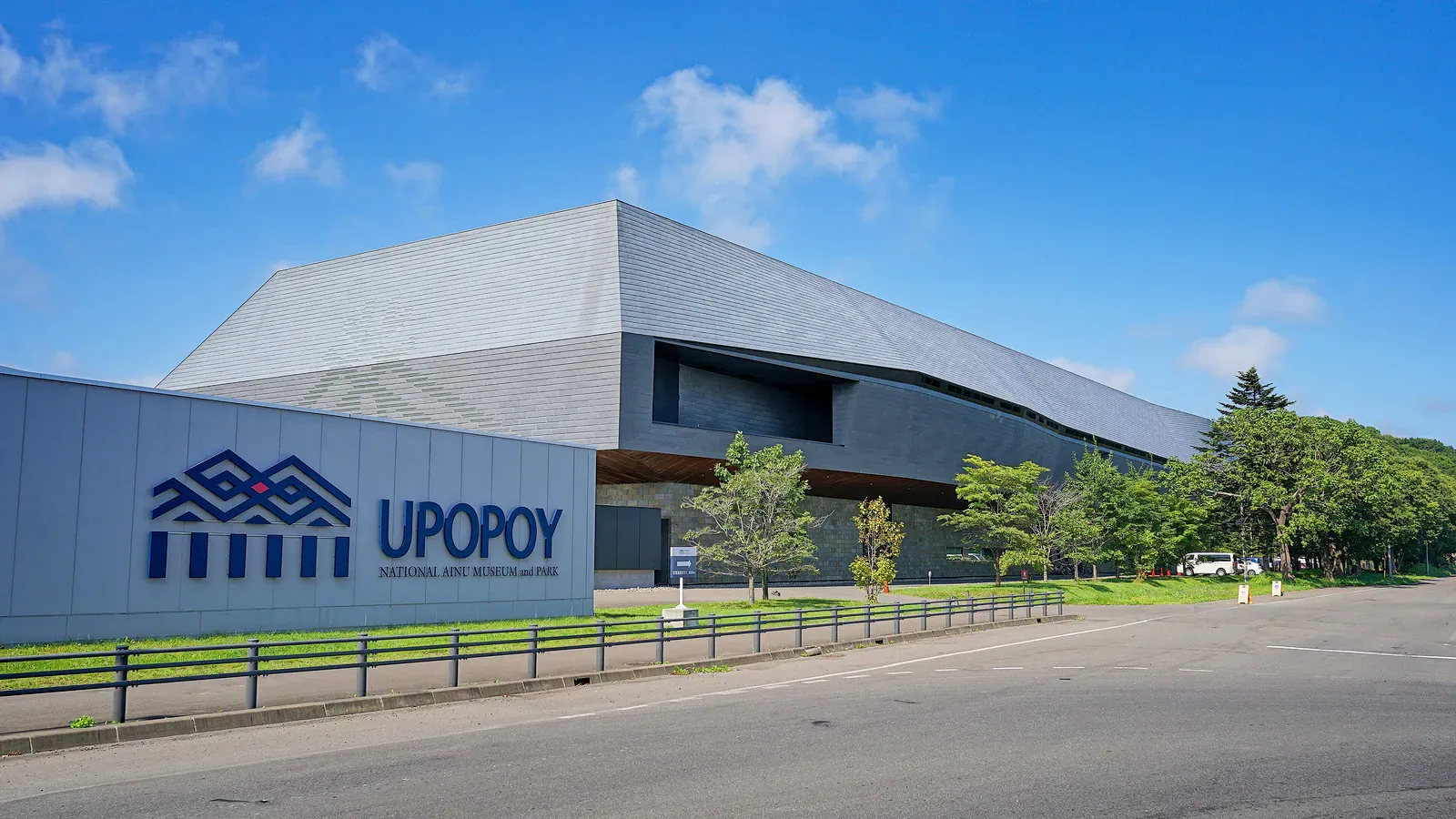
- CultureAinu history and Hokkaido: from Ezochi to UpopoyHokkaido's name dates from 1869. Read the laws of 1997, 2008 and 2019, then see Upopoy in Shiraoi: ¥1,200 (about $8), closed Mondays.
- CultureJapan's inventors, scientists and athletes, and their placesSeven people and one dog from business, science, everyday life and sport, each tied to a place you can visit, with last known hours and fees.
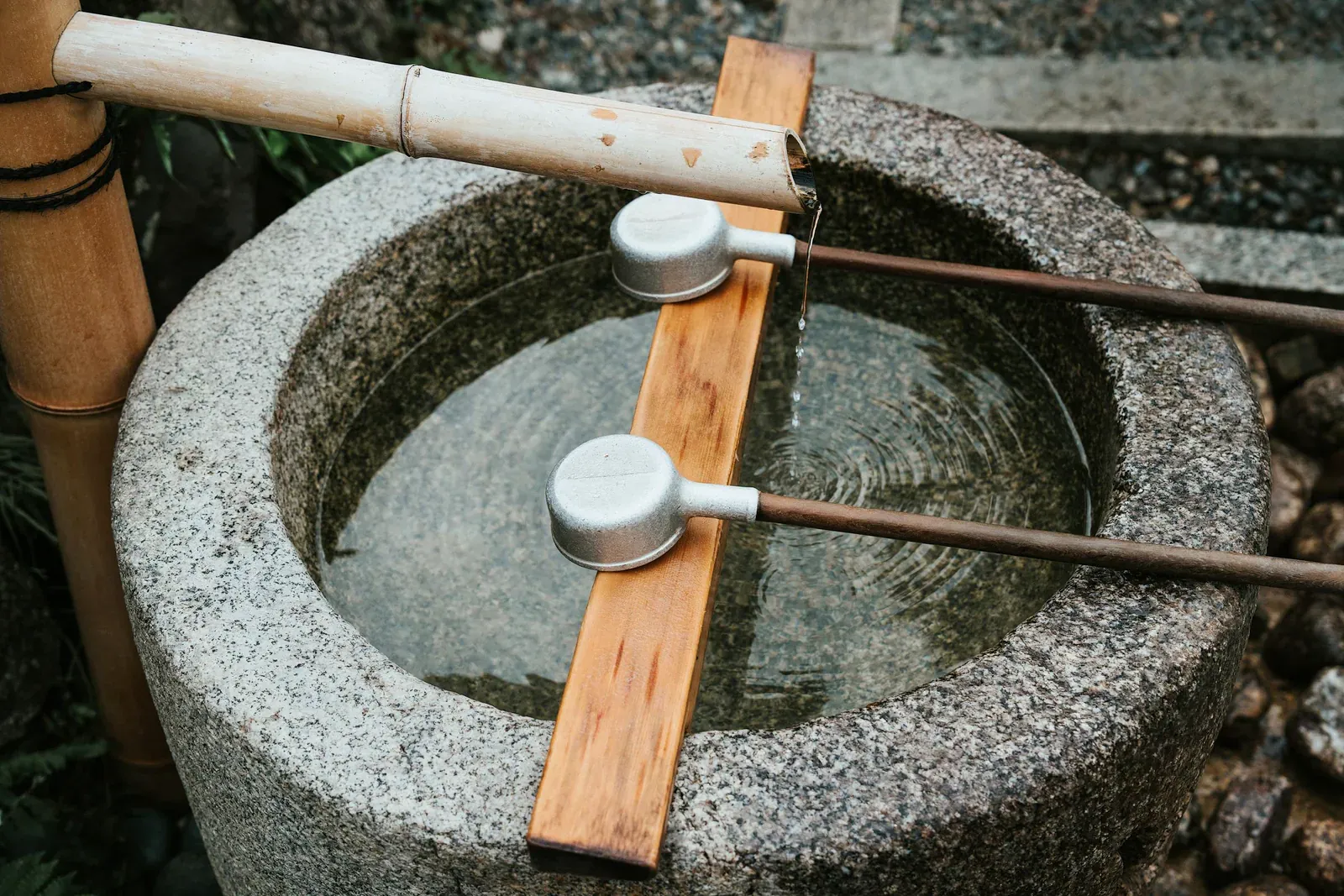
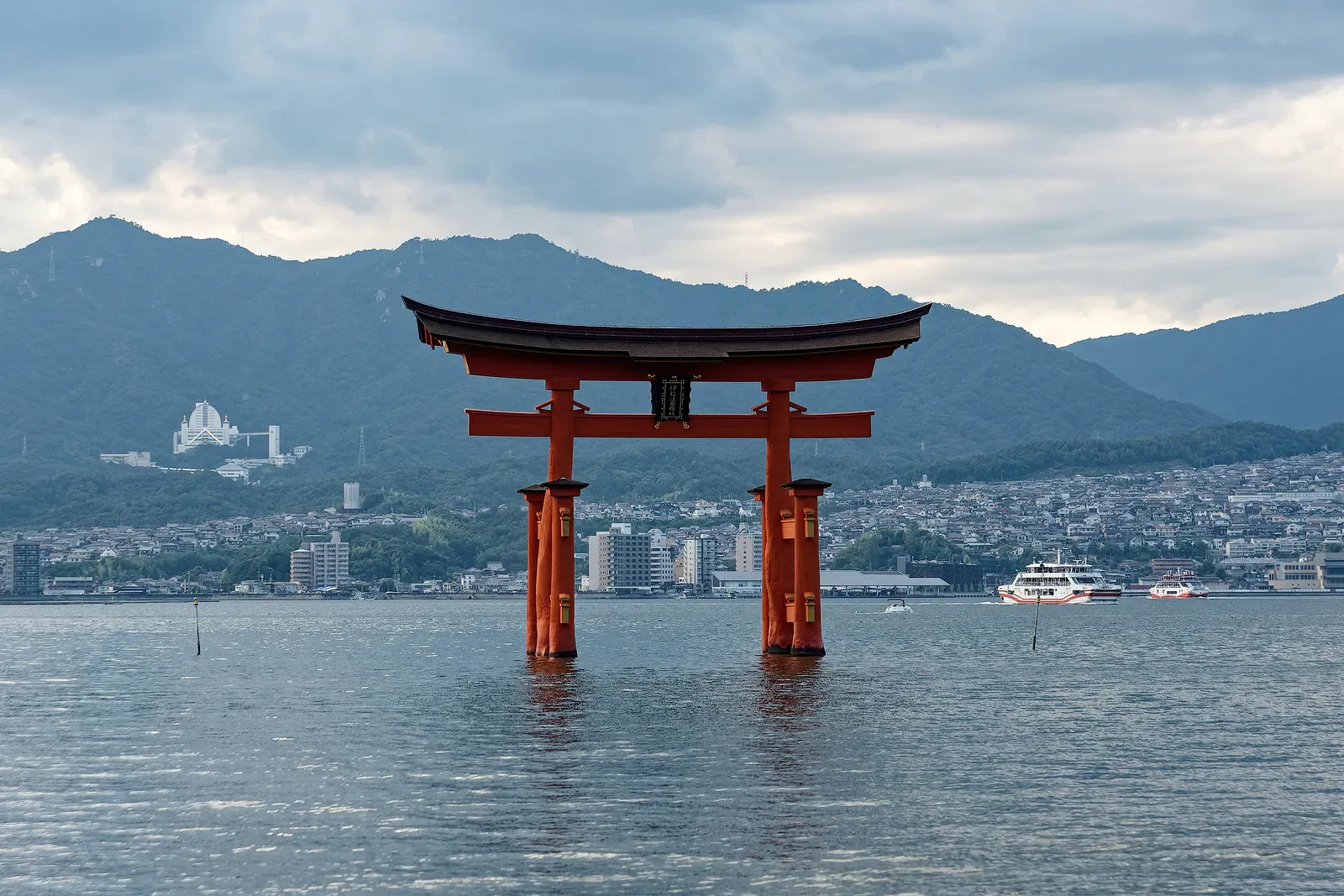
- CultureShrine and temple etiquette: gate, hall and shopShrines: bow twice, clap twice, bow once. Temples: do not clap (Aichi's guide). No fixed offering amount, and photo rules follow the sign.
Sources
- DogsAtlasDogs of Japan guideunofficial(opens in a new tab)
- Parker and colleaguesCell Reports, 2017, cited by DogsAtlasunofficial
- Parker and colleaguesScience, 2004, cited by DogsAtlasunofficial
- Gojobori and colleaguesNature Communications, 2024, cited by DogsAtlasunofficial