Guide · Onsen
Onsen etiquette: the rules that actually matter
Wash first, towel out of the water, no swimsuit unless a sign asks, no alcohol before. One visit, door to exit.
Start with four rules: wash before you get in, keep the towel out of the water, go in without a swimsuit unless a sign says otherwise, and do not bathe after drinking. The rest depends on the kind of bath. A village bath may supply nothing, and Zao’s communal baths ban soap outright.
This guide follows one visit from door to exit and sits under the Onsen hub. Posted signs beat this page: Nozawa’s baths are villager-managed, so the local rule is the rule.
What does each bath supply, and what does it ban?
Supplies and bans differ by bath: Zao bans soap, Nozawa’s village baths may supply nothing and Kusatsu’s acidic water tarnishes silver. Pack for the bath in front of you, not for “an onsen”.
| Bath | What to expect |
|---|---|
| Nozawa baths | 13 village baths (sotoyu), free, with a donation box at each; Asakama no Yu and the Ogama spring are villagers-only. One visitor guide says to bring your own small towel, shampoo and soap. |
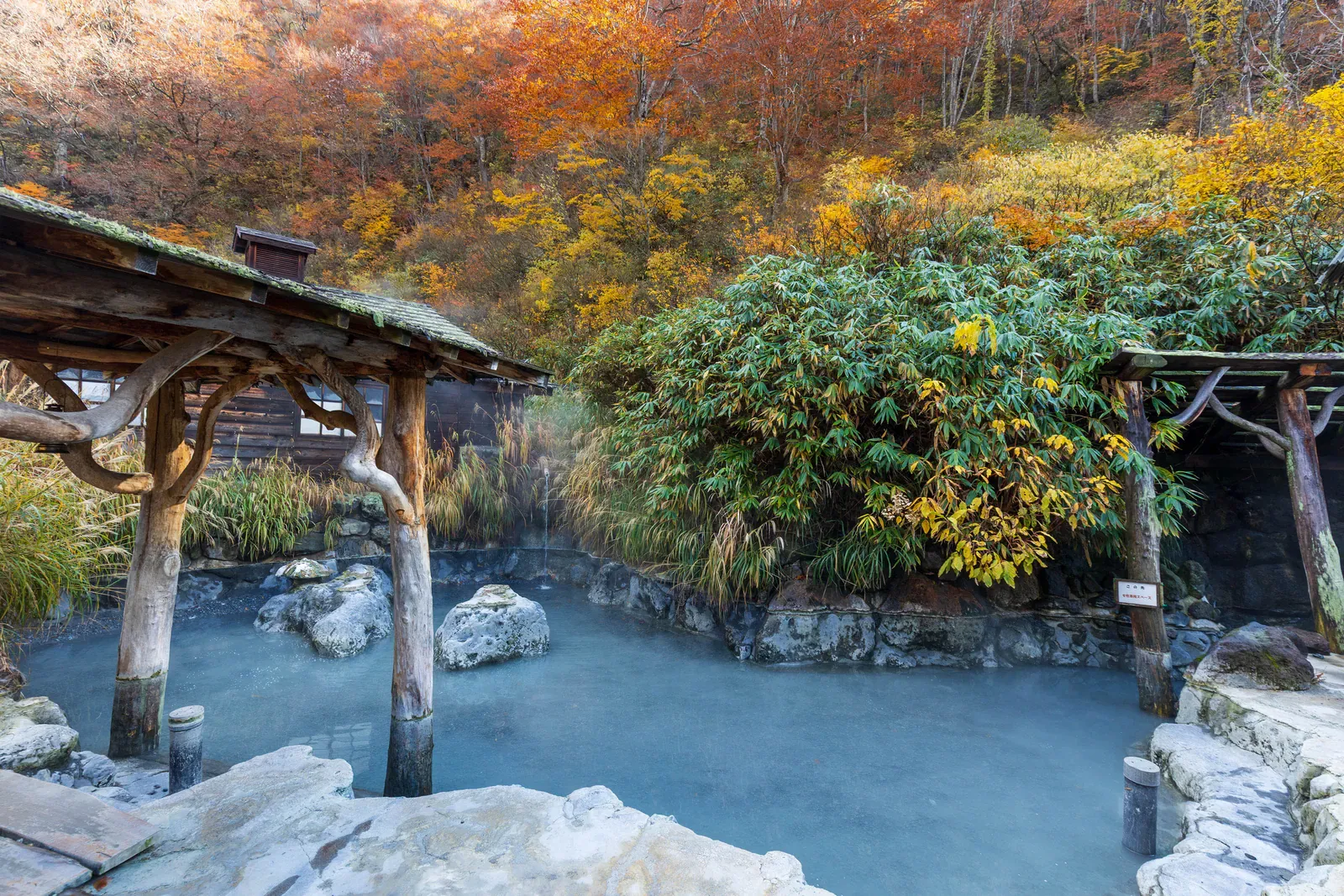
| Zao baths | Three communal baths. Soap is not allowed. No lockers. No shower: you wash with the tub provided. Metal accessories come off. The fee goes in an unmanned box. |
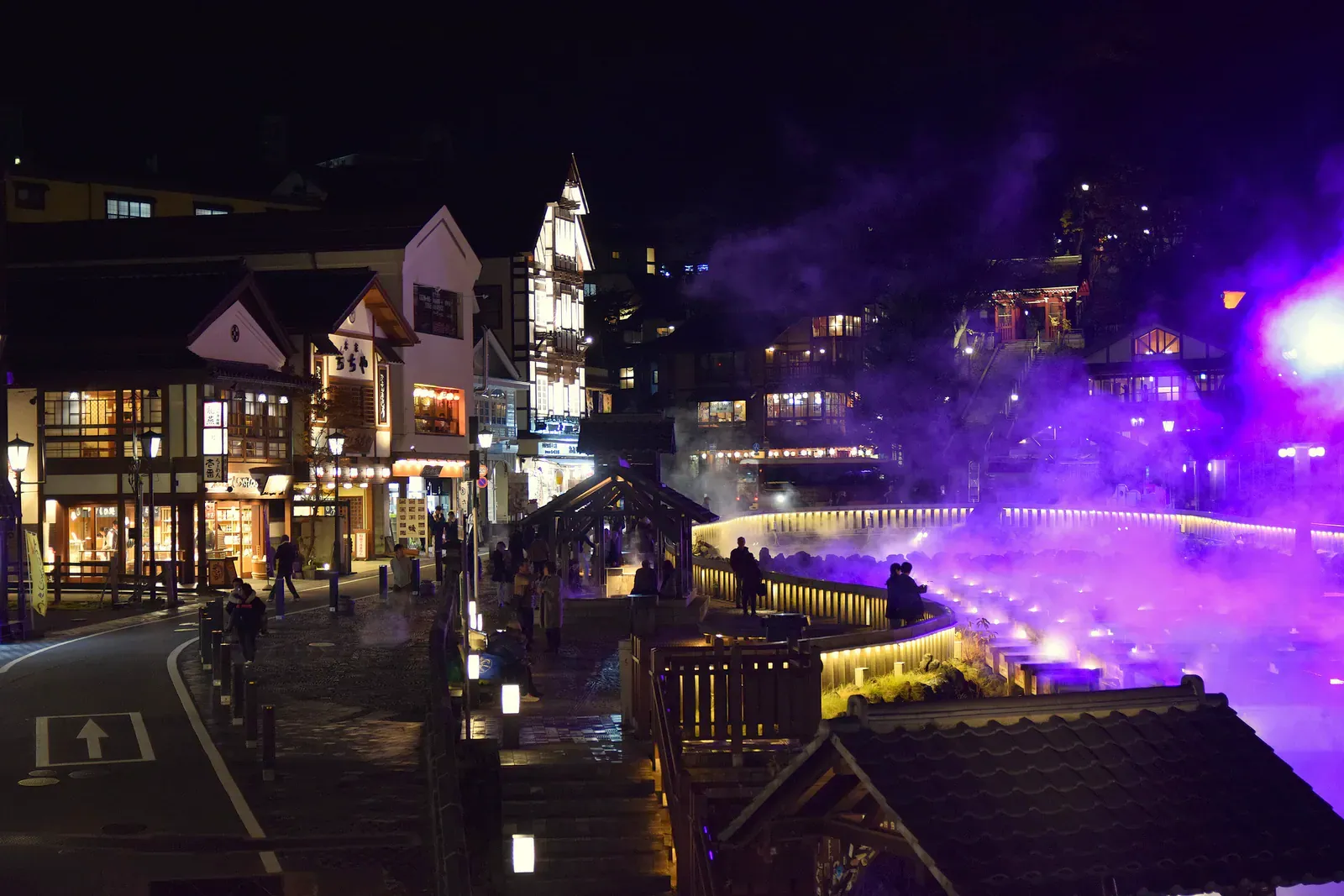
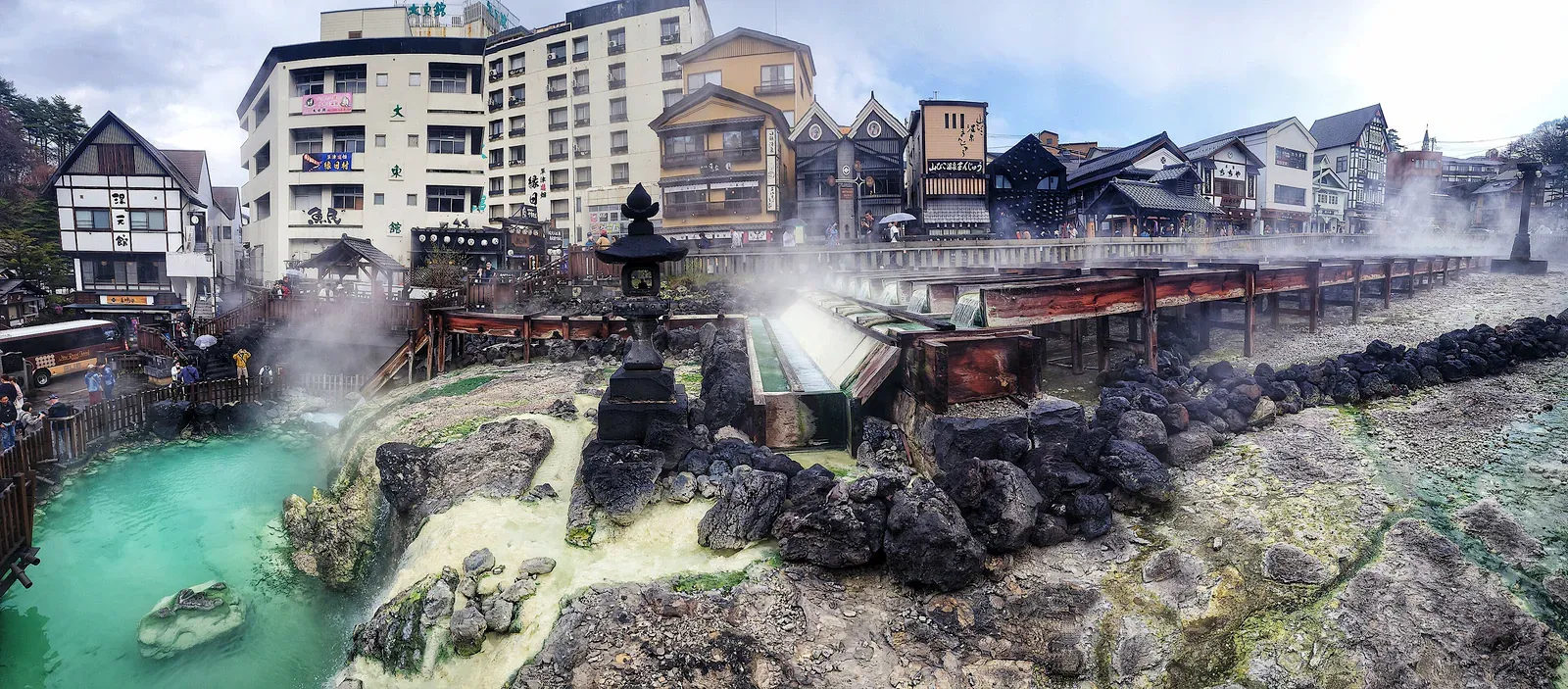
| Kusatsu Rotenburo | Sai-no-kawara Rotenburo: take jewellery off. The water is strongly acidic and tarnishes silver. |
For ryokan baths and day-use spas, supplies are not published, so ask at check-in. The villages are compared in Snow onsen towns, and the inn side is in Ryokan.
Step 1: Which door, and is it open?
Read the sign on the door, then the clock. Most baths are split by gender, and mixed baths are the exception: a bath directory (secondary) logs between 348 and 406 of its 6,173 baths as mixed (its pages give both figures). Some mixed baths set aside women-only hours. One directory entry lists Sukayu at 8:00 to 9:00 and 20:00 to 21:00.
Villages add their own clocks. Nozawa’s default hours from December to March are 6:00 to 23:00, and a few baths close at 22:00. The village guide also rules out late-night bathing, citing security. Zao’s communal baths run 6:00 to 22:00. Kusatsu’s Sai-no-kawara Rotenburo opens 9:00 to 20:00 from December to March, with last entry at 19:30.
Not every steaming building is for visitors. Nozawa’s Ogama, a cooking spring, and Asakama no Yu are for villagers only. The Akiba-no-yu bath was reported suspended in 2026, so check the Nozawa Onsen Tourism Association’s news before you walk to it.
Step 2: What stays in the room?
Leave jewellery and other metal in your room. Zao’s communal baths ask you to take metal accessories off and have no lockers, so there is nowhere to put them. At Kusatsu and Zao the water is strongly acidic: it tarnishes silver and can irritate skin.
Step 3: How do you wash first?
Wash at the taps before you get in, never in the tub. Nozawa’s village guide spells this out. Where there is no shower, as at Zao’s communal baths, you wash with the tub provided. Soap is banned there, so the wash is water only.
Tie long hair up. Secondary guides call this common practice.
Step 4: How do you get in, and where does the towel go?
Get in slowly and keep the towel out of the tub. The towel rule is explicit in Nozawa’s village guide.
Village tubs run hot. One visitor guide puts Nozawa’s free baths at 40 to 55 °C. Where a bath has hot and cold taps, the village asks you to turn them off once the water suits you, and some baths keep a wooden oar for cooling it. Zao’s communal baths list the temperature of their source water: 53.3 °C at Shimoyu, 42.4 °C at Kawarayu and 54.0 °C at Kamiyu. They add well water but do not heat it, and they use no disinfectant. Talk quietly; guides describe a quiet bath as the norm.
Step 5: How long should you stay in?
Three to ten minutes is typical, according to the Japan Spa Association; 15 to 20 is for experienced bathers. Its guidance is one or two baths a day, or two or three for the experienced.
People with high blood pressure, heart disease or a past cerebral haemorrhage are told to avoid water above 42 °C. Nozawa’s free baths reach 55 °C by one guide’s range, so some tubs sit over that line.
Step 6: What about swimsuits and mixed baths?
Go in without a swimsuit unless a sign asks for one. A bath directory (secondary) says swimsuits are usually not allowed. There are two named exceptions: the directory lists Senninburo Kawayu as requiring a swimsuit and towel from December to February, and Kusatsu’s own page says Sai-no-kawara Rotenburo allows swimwear or a towel at its mixed bathing every Friday evening. Some mixed baths hand out a bathing gown (yuami-gi).
In a mixed bath, the etiquette comes down to two lines: do not stare, do not loiter. New mixed baths generally cannot be licensed under current rules, so the existing ones are what you get.
Step 7: How do you leave?
Pay or donate, then rest. Nozawa’s baths are free, but each has a donation box and the village asks for a donation to its bath association. Zao’s communal baths take their fee in an unmanned box.
The bath can catch up with you later. The Japan Spa Association notes that fatigue, nausea or a rash can show up between three days and a week afterwards, and says to rest.
Who should skip it, or ask first?
Safety Do not bathe after drinking alcohol, and never bathe alone if you are elderly, a child or disabled. Both come from the Japan Spa Association’s bathing cautions.
- Meals. Avoid bathing right before or right after eating. Sources disagree on how long to wait, from 30 minutes to 90.
- Heart and blood pressure. See the 42 °C line in step 5.
- Pregnancy. Pregnancy was removed from the official contraindication list in April 2014, the first revision in 32 years. Some English pages still repeat the old ban. Ask your doctor before you go.
- Children. The age at which a child may use the opposite-sex bath varies by prefecture. In Tokyo, children may use the opposite-sex bath until age 6 (since January 2022, per the bath directory).
To verify No source covers bathing during a period, phones or photos, so this page gives no rule. Follow the signs and ask staff.
Next: Tattoos and onsen covers tattoo policies bath by bath, and Private onsen (kashikiri) covers the bath with nobody else in it. The short answer is in Can I go in an onsen with a tattoo?.
Questions
In a normal bath, yes. A bath directory (secondary) says swimsuits are usually not allowed unless a sign says so. It lists Senninburo Kawayu (swimsuit and towel, December to February) as an exception, and Kusatsu's own page allows swimwear or a towel at the Friday-evening mixed bathing at Sai-no-kawara Rotenburo.
No. Nozawa's village guide states that towels stay out of the tub. Bring a small towel of your own to village baths, since one visitor guide says they supply none.
No. The Japan Spa Association advises against bathing after drinking.
Usually yes, but ask your doctor first. Pregnancy was removed from the official contraindication list in April 2014, though some English pages still repeat the old ban. Do not bathe alone.
Three to ten minutes is typical, according to the Japan Spa Association. Experienced bathers stay 15 to 20. With high blood pressure or heart disease, avoid water above 42 °C.