Guide · Onsen
Staying in a ryokan: the unwritten rules
Rates usually include dinner and breakfast, so arrival time, diet requests and bath access are the rules that matter most.
Arrive before dinner, tell the inn about food needs when you book, and read the cancellation terms before you pay. A ryokan is a Japanese inn whose room rate usually includes dinner and breakfast, which is why time is the main rule.
Dollar figures use about ¥155 to US$1 and are rounded; you pay in yen, so check the rate.
What does a ryokan rate include?
Dinner and breakfast are the norm, and dinner is usually a seasonal local kaiseki meal. Alcohol is extra. Two secondary guides give per-person ranges that overlap: $97 to $160 (¥15,000 to ¥25,000) on average in one, and $97 to $260 (¥15,000 to ¥40,000) or more with two meals in the other. Treat both as ballparks, because the booking page sets the real rate.
Check the extras on the same page. Listings show a bathing or accommodation tax of about $1 (¥150) per person per night, and it varies by municipality. In Nozawa Onsen, Chitose-kan lists winter parking at $10 (¥1,500) a night on its booking page.
What time should you arrive?
If dinner is included, be there by about 17:00. Check-in windows in the guides run from 14:00 to 16:00 up to 15:00 to 18:00, so read the inn’s own page.
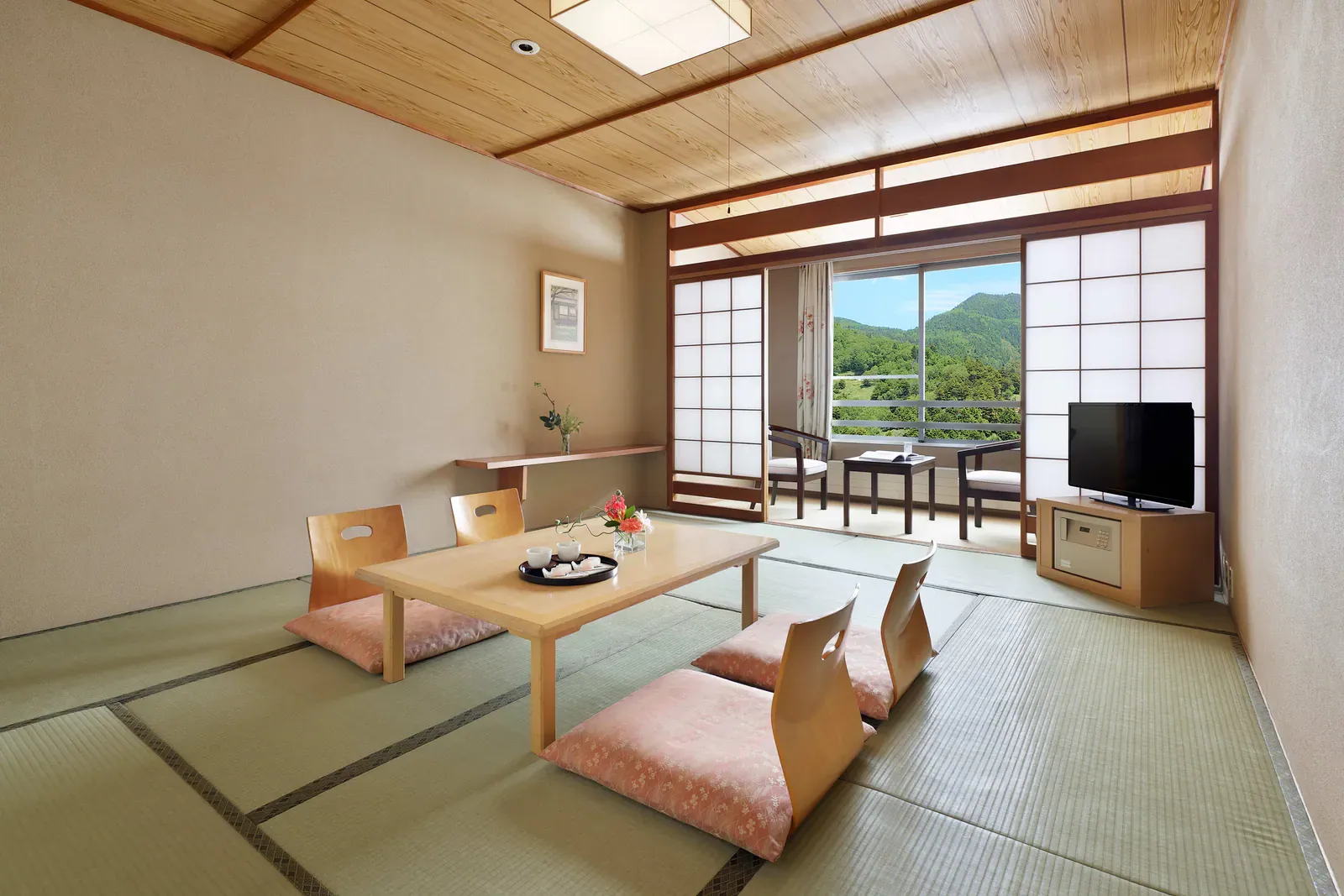
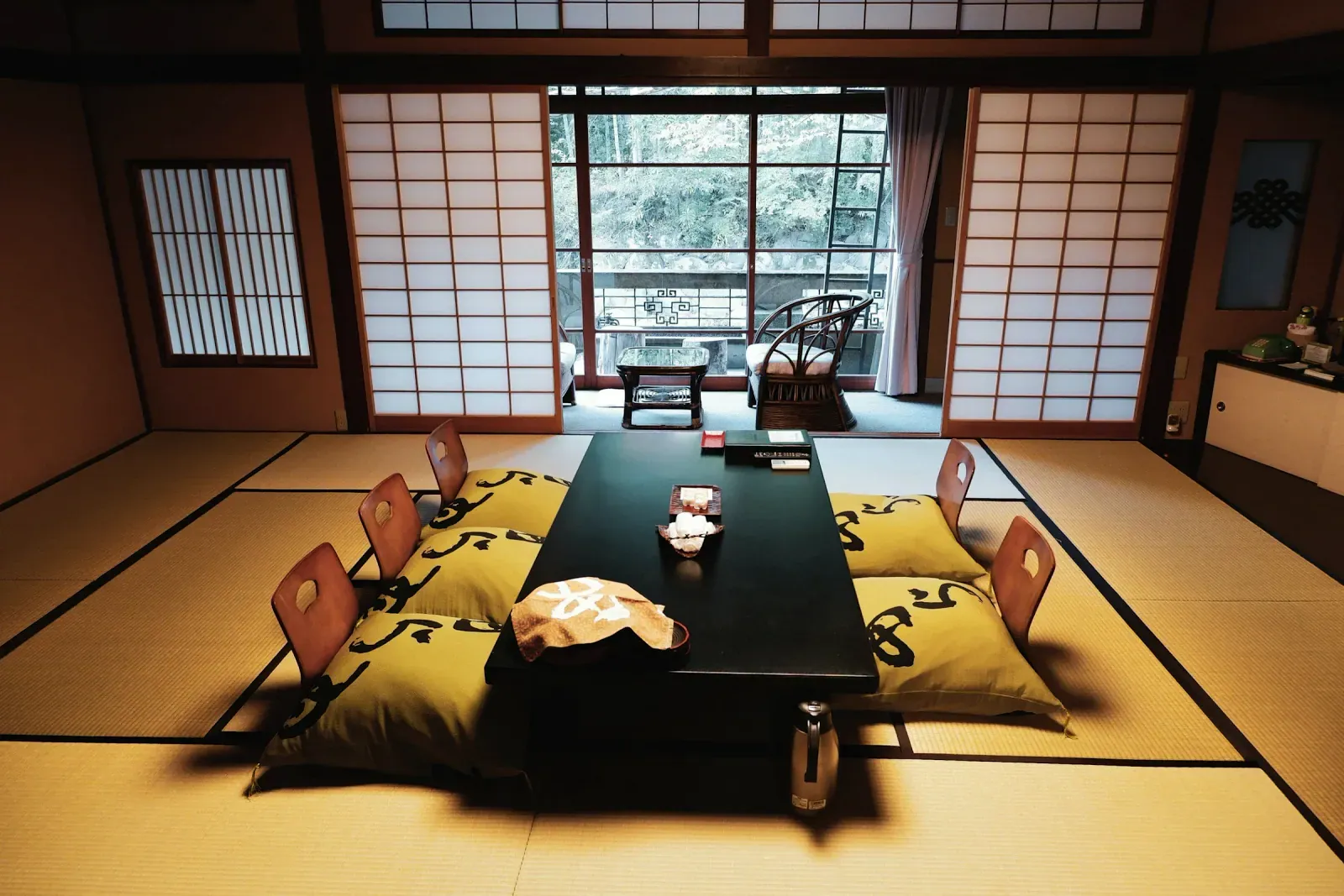
Dinner is usually served between 18:00 and 19:00, and the time is reconfirmed at check-in. It may come to your room, a private dining room or a shared hall. Yukata is fine at the table. The first drink order is often taken at check-in, and futon is laid while you are at dinner.
A late arrival can forfeit dinner, sometimes with no refund (unconfirmed).
Before you go Tell the inn your arrival time when you book, and tell it again early if a delay is likely.
Can you eat vegetarian or around allergies?
Ask when you book. Menus are set days ahead, and rules differ by property. Gora Kadan asks for diet requests by 18:00 the day before arrival and says the menu cannot change on the day. One secondary guide suggests writing 3 to 5 days ahead.
List the ingredients you cannot eat instead of relying on a label like “vegetarian”; one guide advises this, and another says the label works in central Tokyo. Assume plain dashi stock is fish. Kombu and shiitake stock are plant-based, while katsuobushi and niboshi are fish. No source states whether the legal allergen label rules cover restaurant or ryokan meals, so do not assume a kaiseki menu follows them.
Can you use the baths with a tattoo?
Depends on the inn. Japan has no national tattoo rule, and each ryokan sets its own. The Japan Tourism Agency answer for foreign guests says guests with tattoos can use private baths without issue. Shared-bath policy is not published per ryokan, so ask at booking, before you pay. The wider picture is in the tattoo guide.
Private bath or in-room bath?
A private bath (kashikiri) is yours alone for a slot, usually 40 to 60 minutes. One guide says the price is per slot for your party, not per person, and quotes anything from free (common at mid-range and budget inns) up to $32 (¥5,000), with $6 to $19 (¥1,000 to ¥3,000) typical. You book at check-in or ahead. Day-trip access is often limited to overnight guests, per the same guide. More in private baths.
Many ryokan also have rooms with their own bath, some open-air. It is private by design, so the tattoo and mixed-gender couple answers should apply without booking a slot. Not every ryokan has one, so check the room type.
Check what the plan includes. Some online bookings come with a town bath pass, such as the seven baths of Kinosaki, and not access to the inn’s own bath. Chitose-kan in Nozawa lists two gender-separated baths open 24 hours.
Does staying change the rules in a snow town?
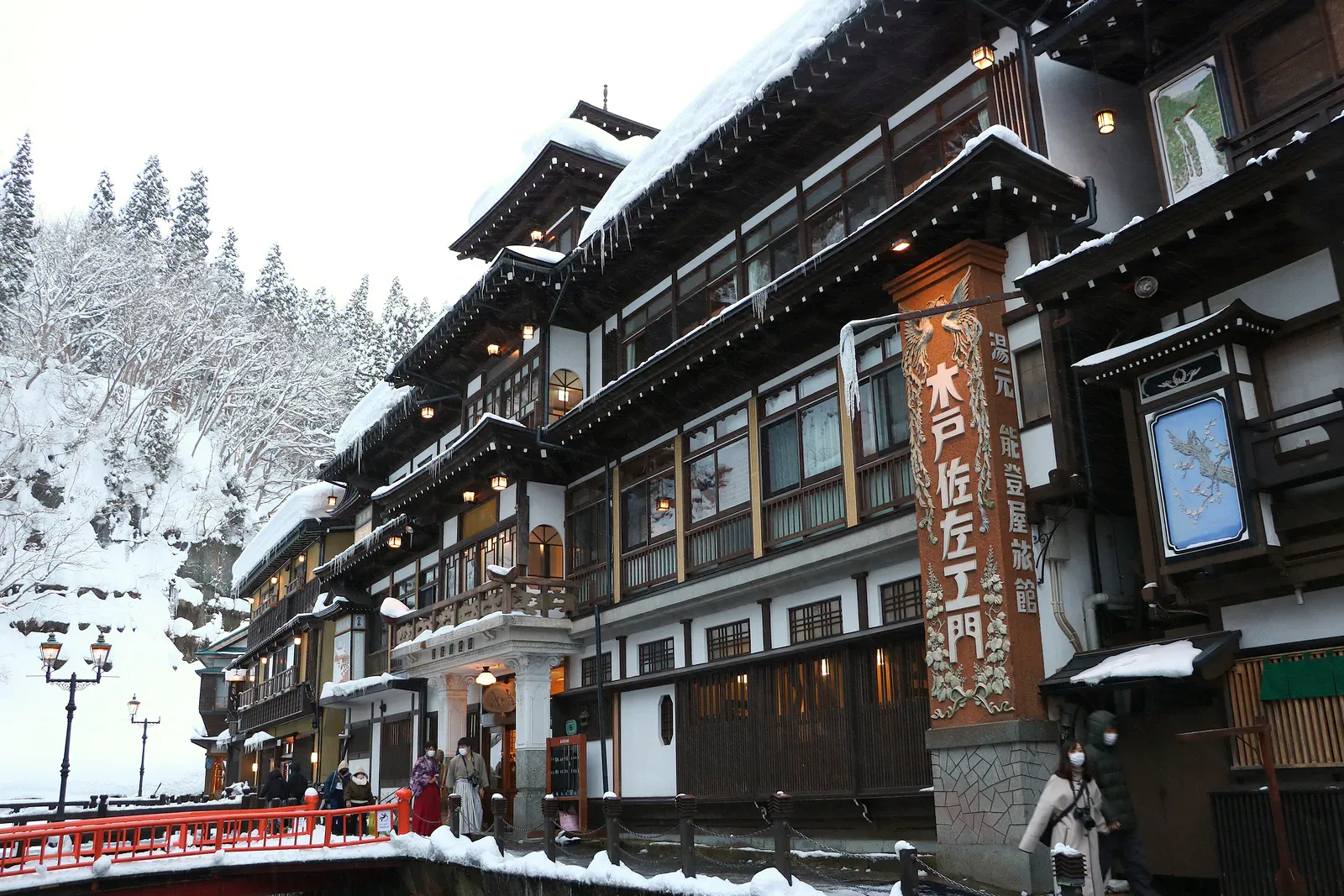
In two sourced cases, yes. At Ginzan Onsen, reports on the 2025-26 rules let only staying guests in after 20:00, and the official 2026-27 page is still a draft. A ryokan may also collect you from the car park, according to one guide. At Nozawa, the 15 January fire festival is open to residents and guests staying in the village. Both are covered in snow onsen towns.
What happens if you cancel?
Terms are set by each property and shown in your booking confirmation. Guides report a common pattern: 20 to 30% of the rate two to three days before, 50% the day before, and 100% on the day or for a no-show. Some inns are free until about 8 days out, and one platform example charges 10% from 21 days. The Japan Tourism Agency’s model terms and snow or typhoon cancellations are not covered by any source here. Read the policy before you pay.
To verify Check-in windows, the nightly tax, cancellation percentages and price ranges come from secondary guides, and no source covers curfews, children, room-only plans or yukata rules beyond dinner. The ryokan’s own booking page overrides everything above.
Questions
By about 17:00 if dinner is included. Check-in windows run from about 14:00 to 18:00 depending on the inn, so read yours. Dinner is usually 18:00 to 19:00, and a late arrival may lose it, sometimes with no refund.
Depends on the inn, not the law. The Japan Tourism Agency states that guests with tattoos can use private baths without issue, so a private or in-room bath avoids the question. For the shared baths, ask when you book.
Ask when you book. Menus are set days ahead and rules differ by property: one inn asks for diet requests by 18:00 the day before and cannot change the menu on the day. Assume plain dashi stock contains fish.