Guide · Plan the trip
First-time Japan mistakes and how to avoid them
Book popular restaurants ahead, reserve a seat for bags over 160 cm on JR Central shinkansen and send big suitcases ahead. Nine smaller fixes follow.
Fix three things first: book popular restaurants, reserve a seat before an oversized bag goes on a JR Central shinkansen, and send large suitcases ahead by courier instead of hauling them across town. Nine smaller fixes follow, each with its official source.
Dollar amounts are approximate, converted at about ¥155 to US$1. You pay in yen, so check the rate.
Should you book restaurants ahead?
Yes for popular places in busy areas. JNTO says they often need a booking, and some keep a door waitlist. Ramen shops, fast food and family chains are usually first come, first served.
Plan for a seat limit of about 2 hours. Ask a hotel concierge or a booking agent to reserve for you. Some online services ask you to reconfirm 24 to 48 hours ahead, and a set-menu place can refuse you if you arrive late.
One major restaurant booking site charges a system fee of ¥440 (about $3) per person at booking, per its own help page; the fee may change, so check the booking page. The fee is non-refundable if you cancel and refunded if the restaurant cancels. Each restaurant sets its own cancellation policy and fee, charged to your card, and a no-show may be charged. No official figure for a typical no-show fee was found.
Ordering food in Japan covers ticket machines and the booking basics.
Can you take big suitcases on the shinkansen?
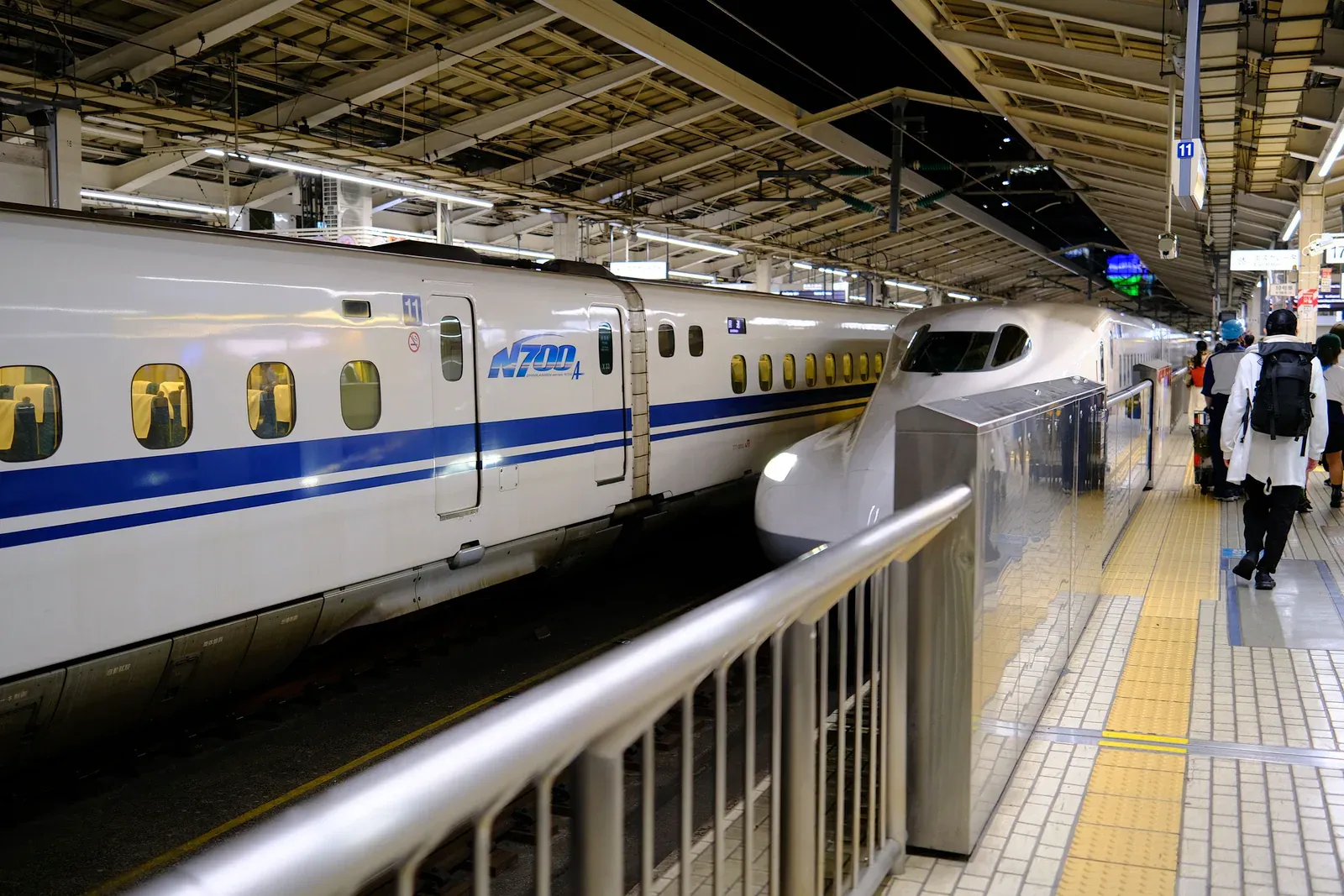
Yes, if you reserve the right seat. On JR Central lines (Tokaido, Sanyo, Kyushu, Nishi-Kyushu), per JR Central:
- Up to 160 cm total (length, width and height): no reservation.
- 161 to 250 cm: reserve a seat with an oversized baggage area, at the same price as a normal reserved seat.
- No reservation with a bag in that band: a ¥1,000 (about $6) fee.
- Over 250 cm: not allowed.
Reservations open 1 month ahead. Two pieces are allowed at up to 30 kg each, 250 cm total and 200 cm on the longest side. Conventional lines need no reservation.
JR East shinkansen work differently, per a search summary of its luggage page. It accepts no reservation for luggage alone and has no designated oversized seats. Space is free, first come, first served and limited in ski season. Per bag it gives a maximum of 250 cm total, 200 cm length and 30 kg.
See Shinkansen suitcase size for the size bands in full.
More to read
- Entering Japan: visa stay, customs and Visit Japan WebMost visa-exempt visitors get 90 days. Customs recommends Visit Japan Web, cash above ¥1,000,000 (about $6,450) must be declared, and JESTA is not live.
- How much does a trip to Japan cost?A 2025 Japan Tourism Agency survey averages about ¥229,000 (about $1,480) per visitor per trip. Build your own total from hotel tax, pass, card and meal prices.
- Japan itineraries for 1, 2 and 3 weeksOne week is Tokyo and Kyoto, two weeks add Nagano and Osaka, three weeks add Hokkaido. Tokyo to Kyoto takes about 2 h 10 by Shinkansen.
- Japan tax-free shopping from 1 November 2026: how the refund worksPay the tax at the till, claim it back at departure: ¥5,000 (about $32) minimum per store per day, leave within 90 days, scan your passport before bag drop.
- Travel insurance for Japan: what the official advice saysNot compulsory, but the health ministry strongly recommends private cover. JNTO cites bills up to ¥10 million (about $64,500). Choose cashless service.
Should you send luggage ahead?
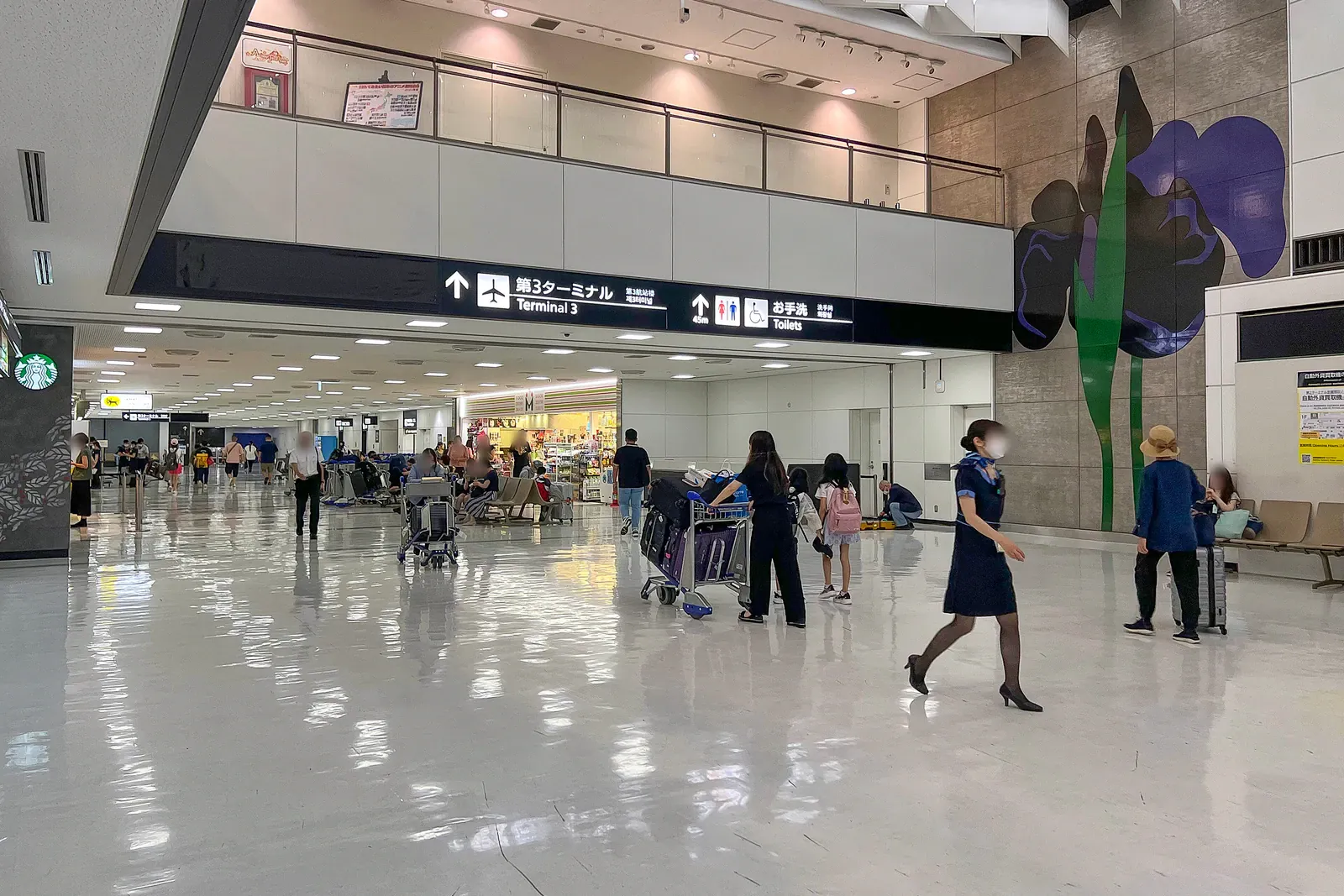
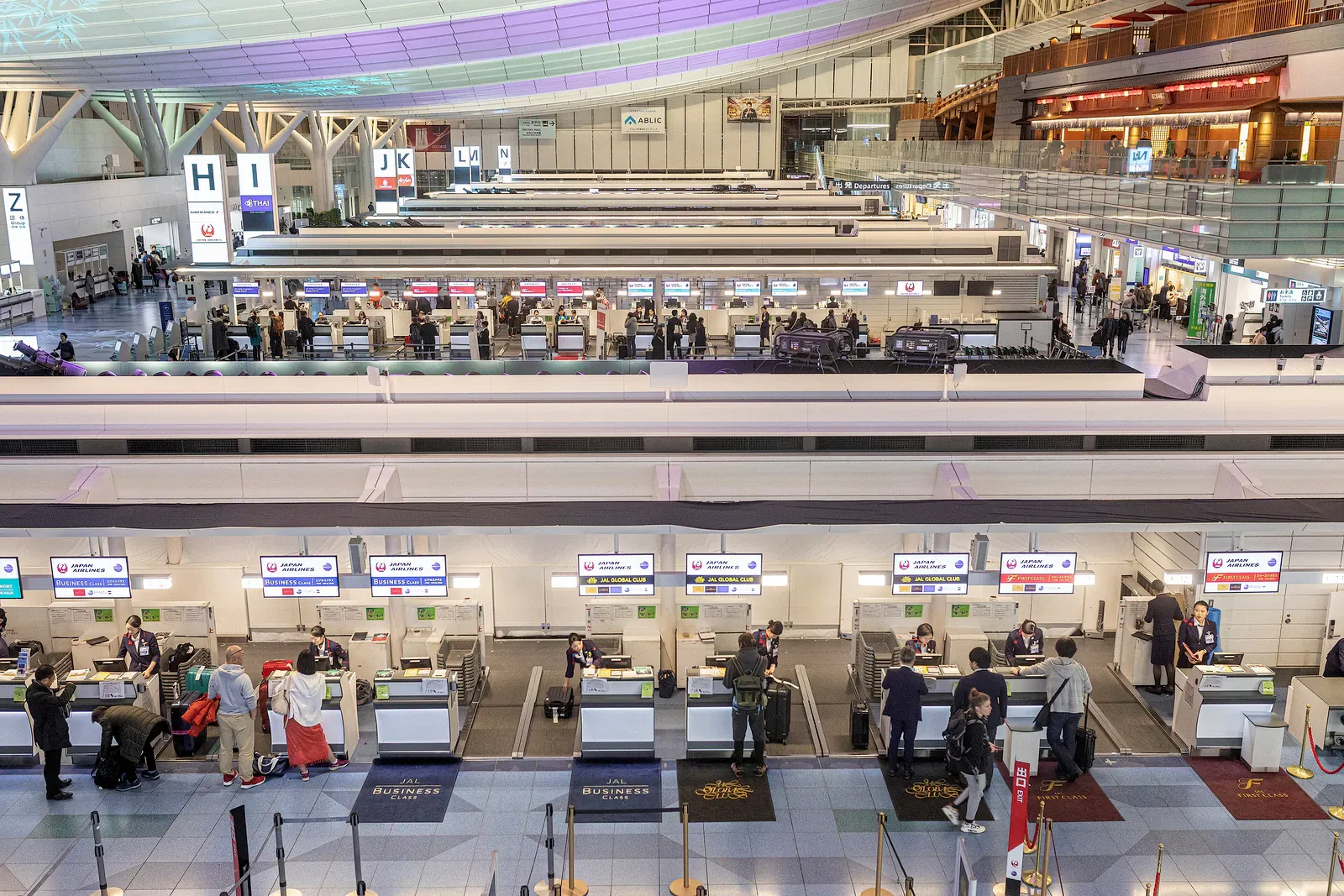
Yes, whenever you change cities with large bags. The Japan Tourism Agency points travellers to lockers, storage or luggage couriers instead of crowded trains, and JNTO asks you to stow bags out of the way.
Yamato’s Hands-Free Travel service runs on its TA-Q-BIN delivery. You drop the bag at an airport counter, a city sales office, a station counter or a hotel front desk, with no reservation, and the hotel must confirm it can send and accept. Delivery is next day if you drop it at a Sales Office by about 18:00, though hours vary, and some routes take 2 days.
| Route | Size 160 suitcase |
|---|---|
| Tokyo to Kyoto hotel | ¥3,160 (about $20) |
| Kyoto to Osaka | ¥3,020 (about $19) |
| Haneda to Tokyo hotel | ¥2,410 (about $16) |
| Haneda to Sapporo or Fukuoka | ¥3,630 (about $23) |
Prices include tax and are before discounts. Size 160 means length plus width plus height up to 160 cm. The largest accepted size is 200, and surfboards are refused, while ski gear is fine.
You cannot send passports, ID, cash or cards, or goods over ¥300,000 (about $1,940) per box. Compensation is capped at ¥300,000 (about $1,940) per piece. Flights to Hokkaido and Okinawa add limits on items such as lighter fluid, perfume, nail polish, lithium batteries, spray cans and e-cigarettes. Uncollected bags are stored 7 days including the arrival day.
At pickup, a hotel needs your check-in date, name and tracking number. A sales office needs your passport and tracking number. Counters take cards, but a hotel drop-off may be cash only. The English line is 0120-67-9625, toll-free, 8:00 to 21:00 daily, and not every counter has English staff.
Sagawa’s Hands-Free Travel offers same-day delivery between listed service centres and hotels. Up to 100 cm and 10 kg costs about ¥1,520 (about $10), and up to 160 cm and 30 kg about ¥2,440 (about $16), tax included. It is limited to the centres and hotels it lists, so check yours.
Do you still need cash?
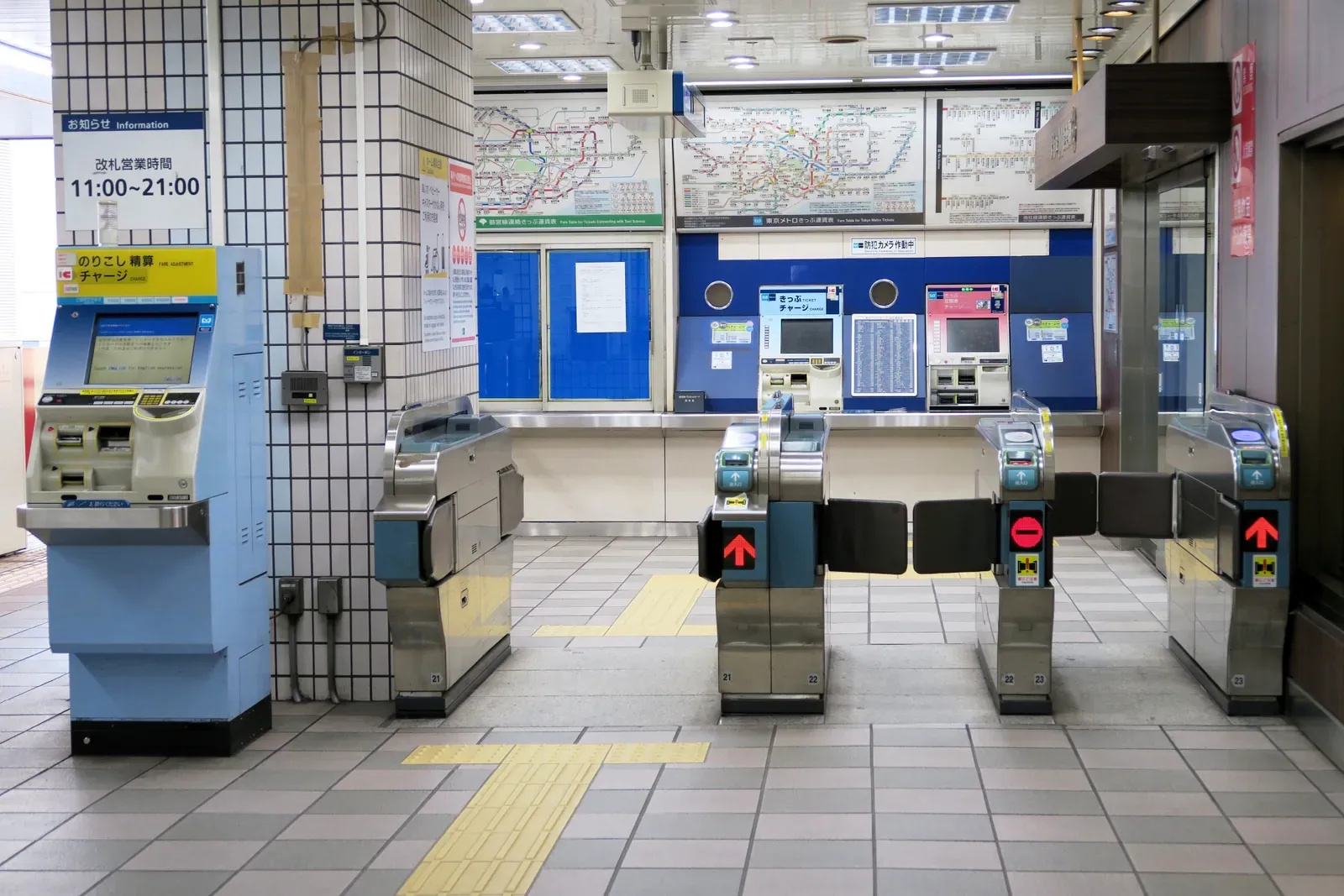
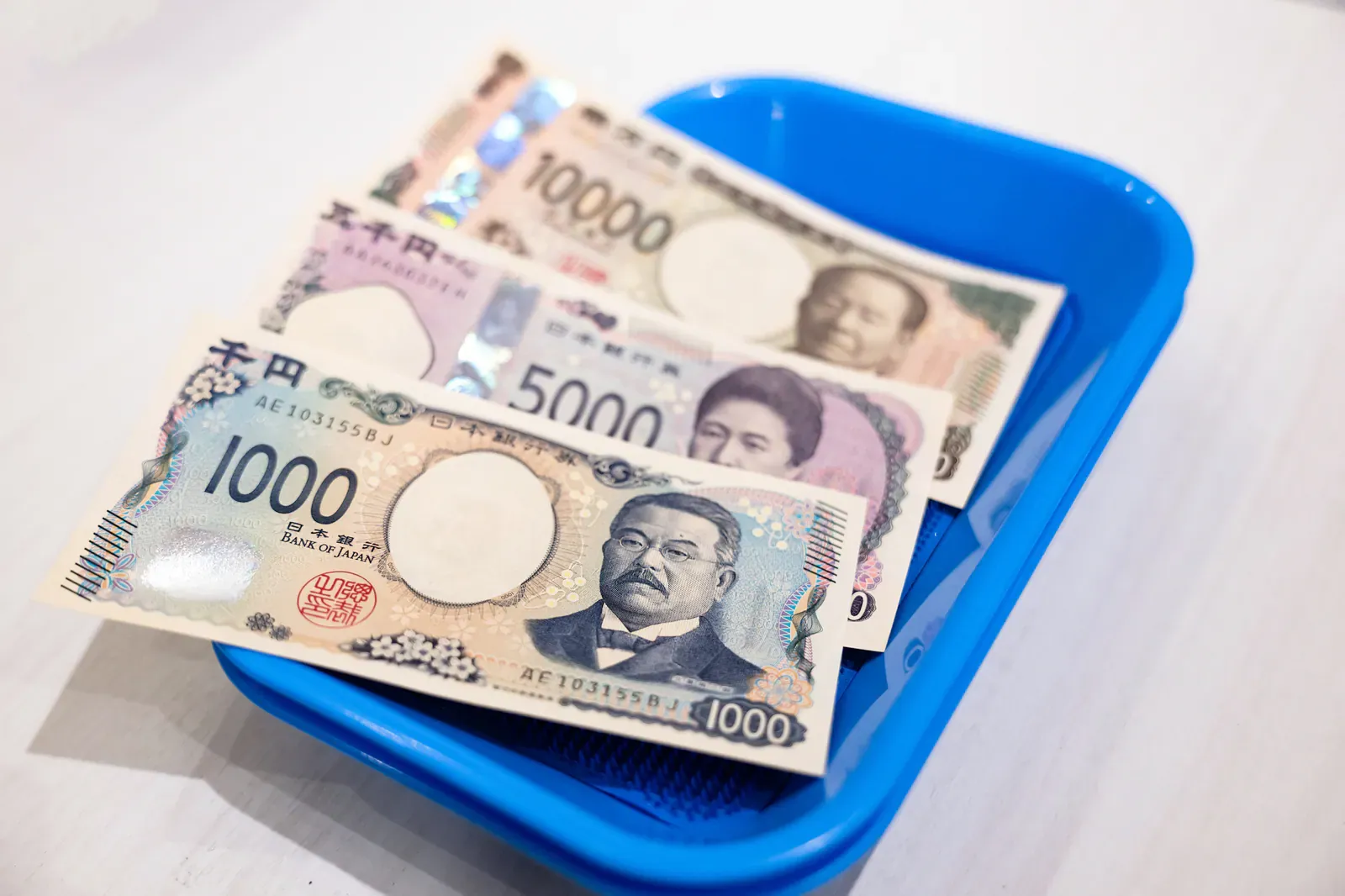
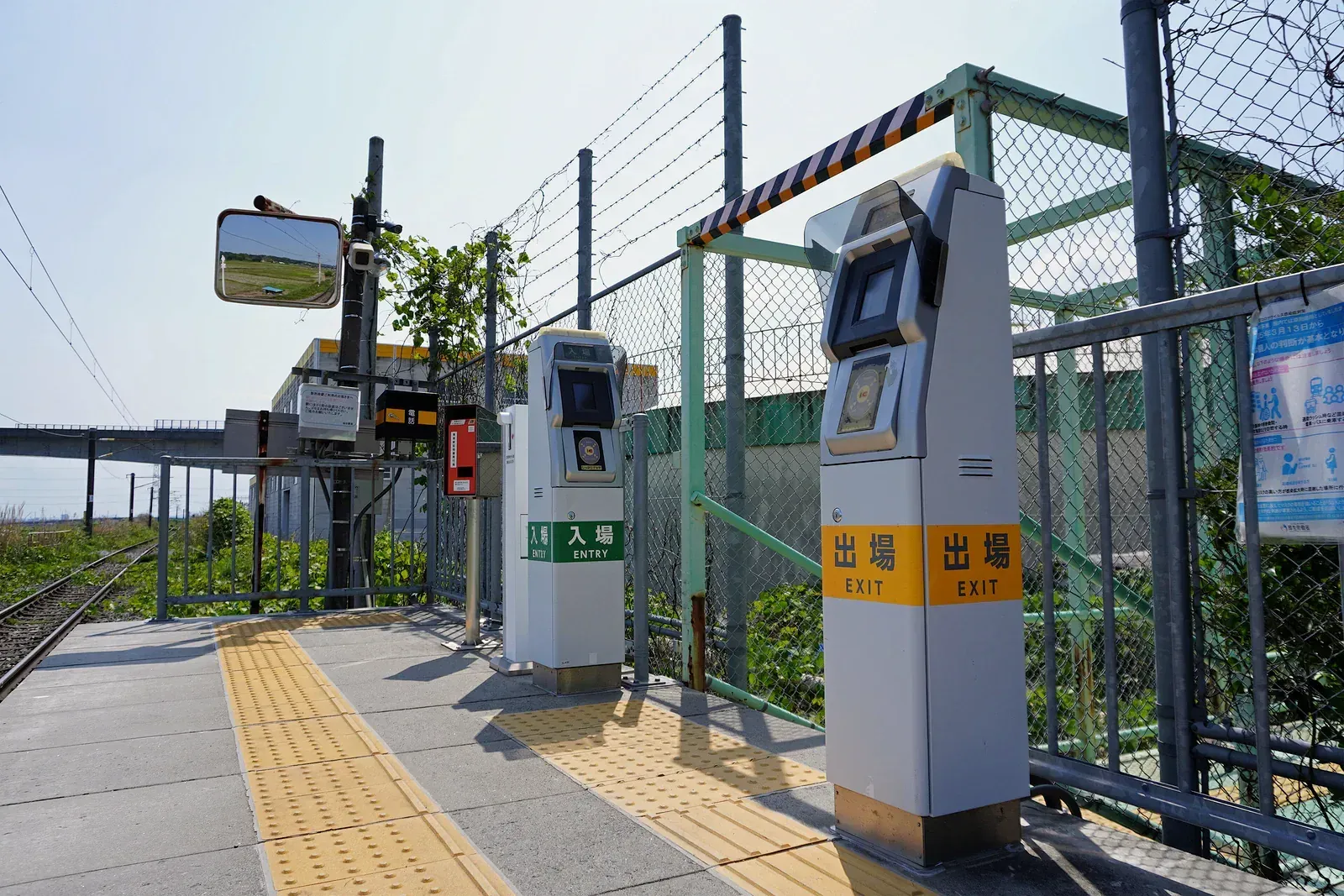
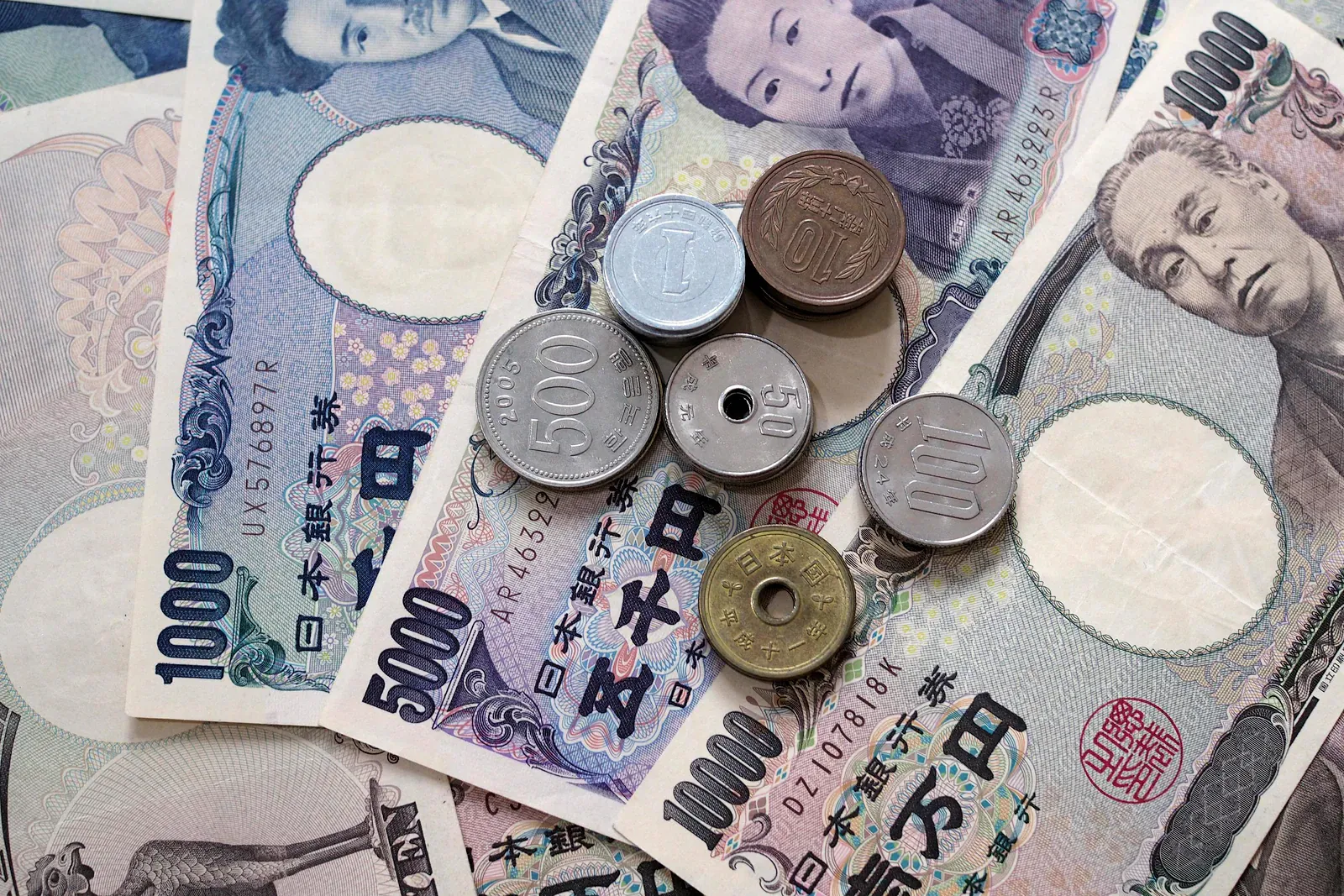
Yes, for small shops and some fares. JNTO says cards are generally accepted, but not always for short train or subway fares. A Suica or PASMO card covers those fares. If no card logo is shown, ask staff before you pay.
Per a search summary of METI’s 31 March 2026 release, 58.0% of spending in 2025 was cashless, up from 42.8% in 2024. That is a share of spending, not of shops, so carry yen for small stores.
Foreign cards work in Seven Bank ATMs 24 hours a day with Visa or Mastercard, up to ¥100,000 (about $645) per withdrawal, or ¥30,000 (about $195) on magnetic-stripe cards. Tipping and paying in Japan and Cash, IC cards and eSIM cover cash, ATMs and transit cards.
Why use konbini?
Because a konbini (convenience store) sells ready-to-eat food. 7-Eleven Japan says about 20 million customers visit its stores every day.
Prices on the chains’ own pages, tax included and varying by region and store:
| Item | Price |
|---|---|
| 7-Eleven tuna mayo rice ball | ¥197 (about $1) |
| 7-Eleven spicy cod roe rice ball | ¥214 (about $1) |
| FamilyMart salt rice ball | ¥149 (about $1) |
| FamilyMart large plum-bonito rice ball | ¥298 (about $2) |
No hours or eat-in rules were confirmed for any chain, so ask the staff before you sit down to eat.
Is it rude to eat while walking?
In most public places, yes. JNTO calls it impolite and says to sit and eat. It is a custom, not a law, and no national rule was found.
Kyoto’s Nishiki Market has a notice asking visitors to avoid eating while walking and to eat at the shop. Miyajima is the exception: an older JNTO post calls it a “tabe-aruki paradise”, with shops selling walking food. Take rubbish to a bin there and do as the locals do. Shrine and temple etiquette covers shrine and temple grounds.
Where do you put your shoes?
Take them off when you enter a temple or a home, per JNTO. Indoor slippers (uwabaki) are common, and toilet slippers are separate pairs. Shrine and temple etiquette advises socks and has the temple rules.
JNTO’s ryokan and onsen pages add, per summaries, shoes off at the entrance, slippers off on tatami and shoes and slippers off before the changing room. Whether you wear a yukata or slippers outdoors depends on the property.
Which side do you stand on an escalator?
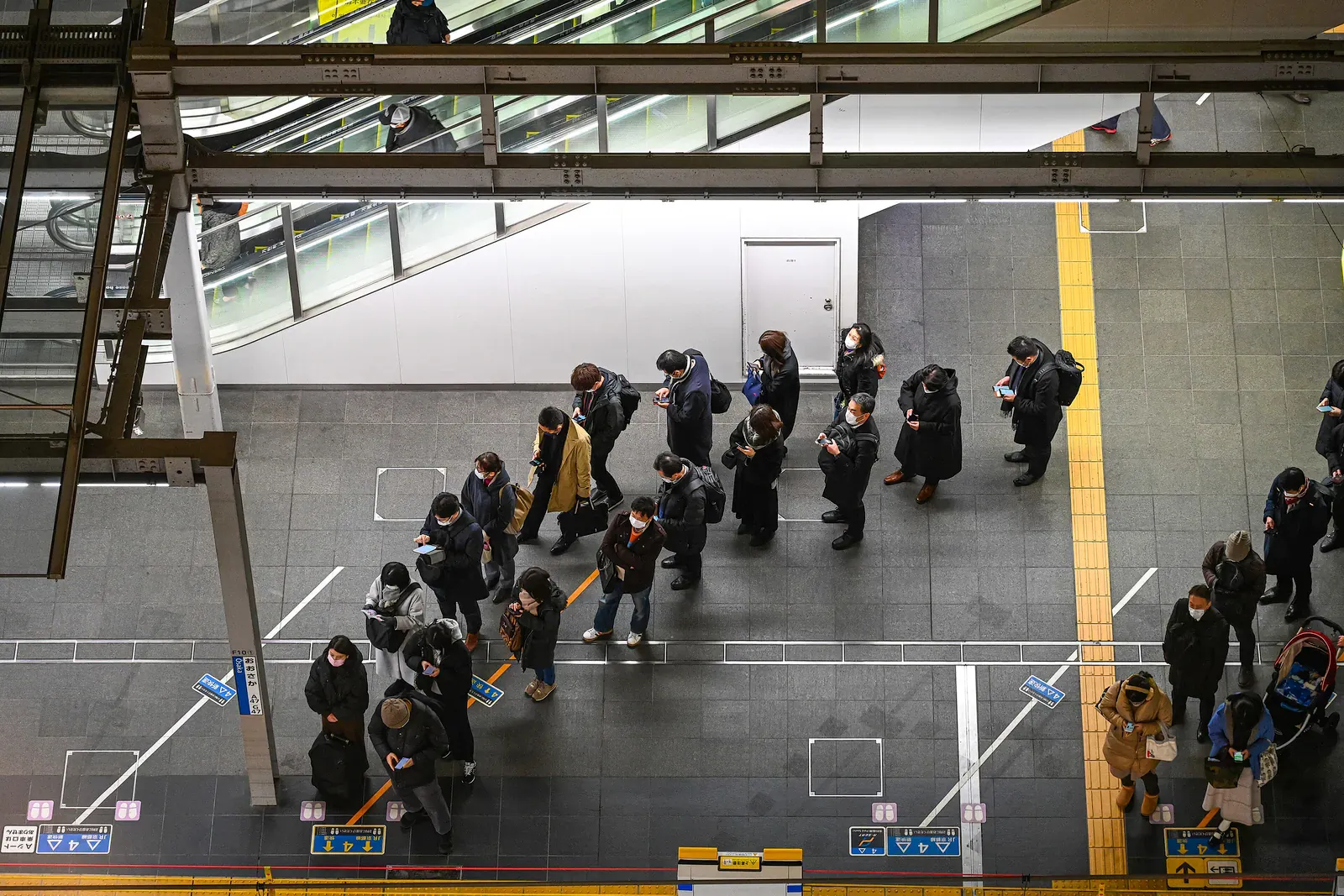
Stand still and hold the handrail. JNTO says walking on escalators causes accidents. At busy times, stand in two lines if the escalator is wide enough. It names no side.
Saitama Prefecture’s ordinance, in force since 1 October 2021, tells riders to stand still. The prefecture’s page says there is no penalty and notes that many riders stand on the left and leave the right open for walkers, so it asks for both sides standing. A nationwide campaign from 21 July to 31 August 2026 by 58 railway operators and 7 groups gave the same message, per a summary of operator notices: one side open is unsafe for riders who can use only one handrail.
On roads with no sidewalk, pedestrians keep right and vehicles and cyclists keep left, per Tokyo police. Pedestrians must use sidewalks.
Where do you throw rubbish away?
Carry it back, and treat your day bag as the bin. The Tokyo Convention and Visitors Bureau says public areas and parks have few bins, so take a small bag and bring your rubbish to your accommodation. Where bins exist they have separate slots for burnable, non-burnable and recyclables. The Japan Tourism Agency says to use a bin if one is available, or take your rubbish with you.
Japan safety and etiquette lists the Kyoto litter fine.
Where do chopsticks go?
Never stand chopsticks upright in a rice bowl, and never pass food from chopstick to chopstick, per JNTO. The reason is ritual: upright chopsticks match how rice is offered to the tablet of the deceased, and passing food echoes a funeral ritual. Ordering food in Japan has the full table of bowl and chopstick rules.
What does your phone need for a SIM?
Two things, per JNTO’s Mobile Tips page: a SIM-free phone, and a technical-standards conformity mark for specified wireless equipment. That page covers SIM cards and has no eSIM wording, so read eSIM before arrival before you fly.
Should you tip?
No. Tipping is not common or expected, and JNTO’s customs page says it will often be met with confusion. Thank staff with “arigato gozaimashita” and a smile. Tipping etiquette has the detail.
Where next?
Japan trip planning puts these fixes in order, so start there. Ordering food in Japan covers booking and paying, Tipping and paying in Japan covers cash and cards, and Shinkansen suitcase size covers bag sizes. Shrine and temple etiquette, Japan safety and etiquette and eSIM before arrival cover the rest. The Plan hub lists every trip guide.
Questions
- Every answer starts with
- Yes
- No
- Depends
- Not yet
- Fact
Do I need to book restaurants in Japan?
For popular places in busy areas, yes. JNTO says they often need a booking, while ramen shops and fast-food or family chains are usually first come, first served. Cancel as early as you can, because some places charge for no-shows.
Can I take a big suitcase on the shinkansen?
Yes. On JR Central lines, per JR Central, a bag up to 160 cm total needs nothing, and 161 to 250 cm needs a reserved seat with an oversized baggage area or a ¥1,000 (about $6) fee. Over 250 cm is not allowed.
Is it rude to eat while walking in Japan?
In most public places, yes: JNTO calls it impolite and says to sit and eat. It is a custom, not a law. Kyoto's Nishiki Market asks visitors not to do it, and Miyajima is an exception where shops sell walking food.
Do I still need cash in Japan?
Yes, for small shops. JNTO says cards are generally accepted but not always for short train or subway fares, and, per a search summary of its FAQ, small stores and guest houses may take cash only. A Suica or PASMO card covers fares.
Related topics
- Plan the tripCash, IC cards and eSIM in Japan: what to buy before and after landingiPhone: Welcome Suica Mobile, 180 days. Everyone else: TOURIST PASMO at Narita or Haneda, 28 days, no deposit. Data: povo Japan SIM from ¥600 (about $4).
- Plan the tripJapan safety and etiquette: emergency numbers and the basic rulesPolice 110, ambulance and fire 119, JNTO hotline 050-3816-2787 (24 hours, English). In a quake, follow staff. Rules on trash, smoking and tattoos.
- Plan the tripHow to plan a trip to Japan, step by stepPlan in this order: when, how long, entry, money, transport, where to stay, connectivity and safety. Each step gives the key fact and its guide.
More from Food
FoodTipping and paying in JapanNo tipping. Carry cash for small shops, expect 10% tax on dine-in meals and use 7-Eleven ATMs for foreign cards.