
Guide · Food
How to order food in Japan
Pay first at a ticket machine, expect an otoshi charge at an izakaya, queue in order and book ahead in popular areas. Unconfirmed details are listed.
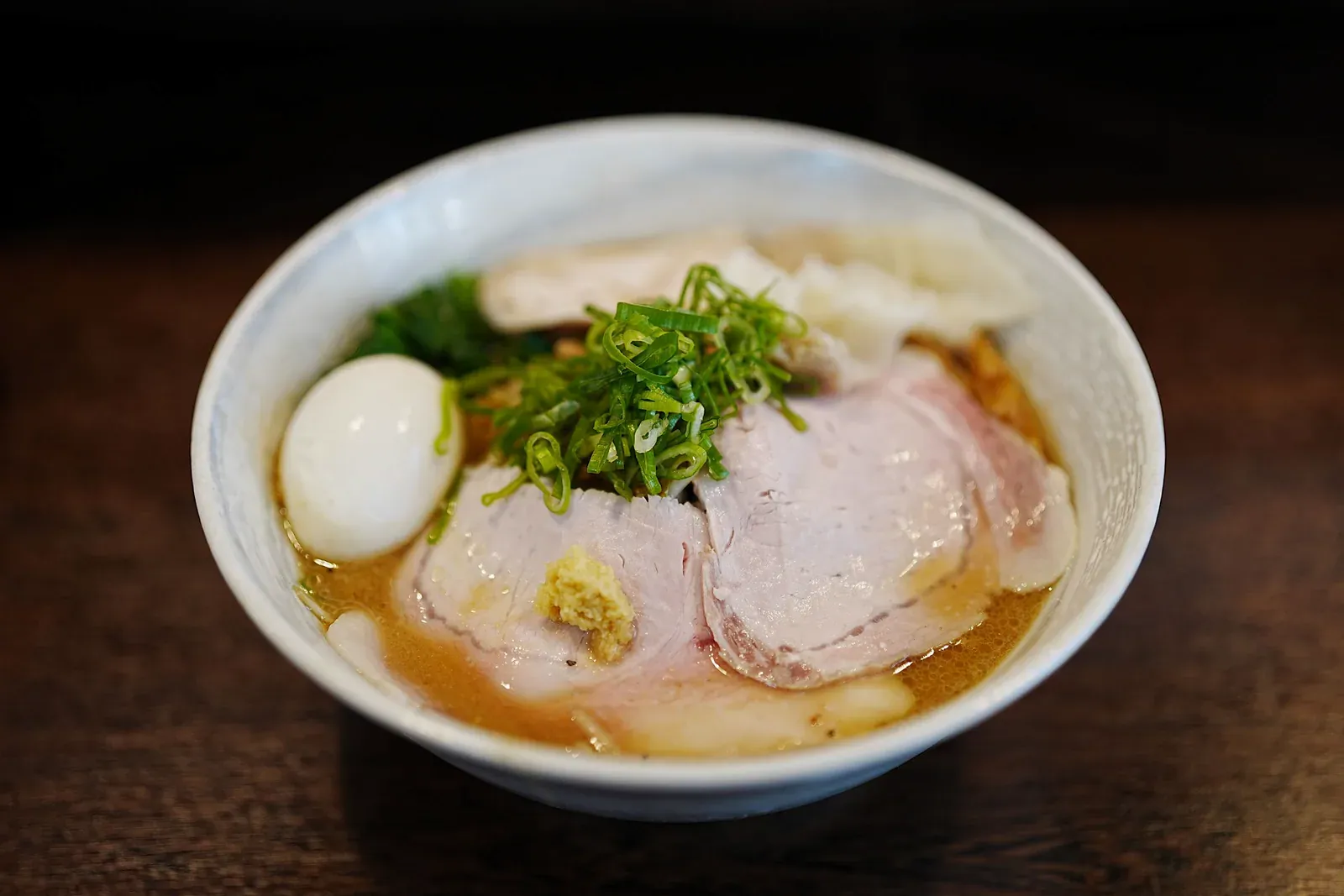
Pay first at a ramen ticket machine, lift plates off the belt at conveyor sushi and expect a charged otoshi dish at an izakaya. Queue in order, follow the chopstick and bowl rules below, and book ahead in popular areas.
Dollar figures use about ¥155 to US$1 and are rounded; you pay in yen, so check the rate.
| Venue | How you order | What to expect |
|---|---|---|
| Ramen shop | Ticket machine, or staff | Pay first, eat quickly |
| Conveyor sushi | Lift plates off the belt | Plate colour sets the price |
| Sushi counter | Booked ahead for omakase | Dip the topping, not the rice |
| Izakaya | Not confirmed | An otoshi dish arrives on its own and is charged |
How does a ticket machine work?
You pay before you sit. JNTO’s ramen guide gives the order:
- Insert money.
- Press the buttons for your noodles, drinks and sides.
- Take your change and the printed ticket.
- Hand the ticket to staff.
- Sit down.
Some shops take orders from staff instead, so not every ramen shop has a machine.
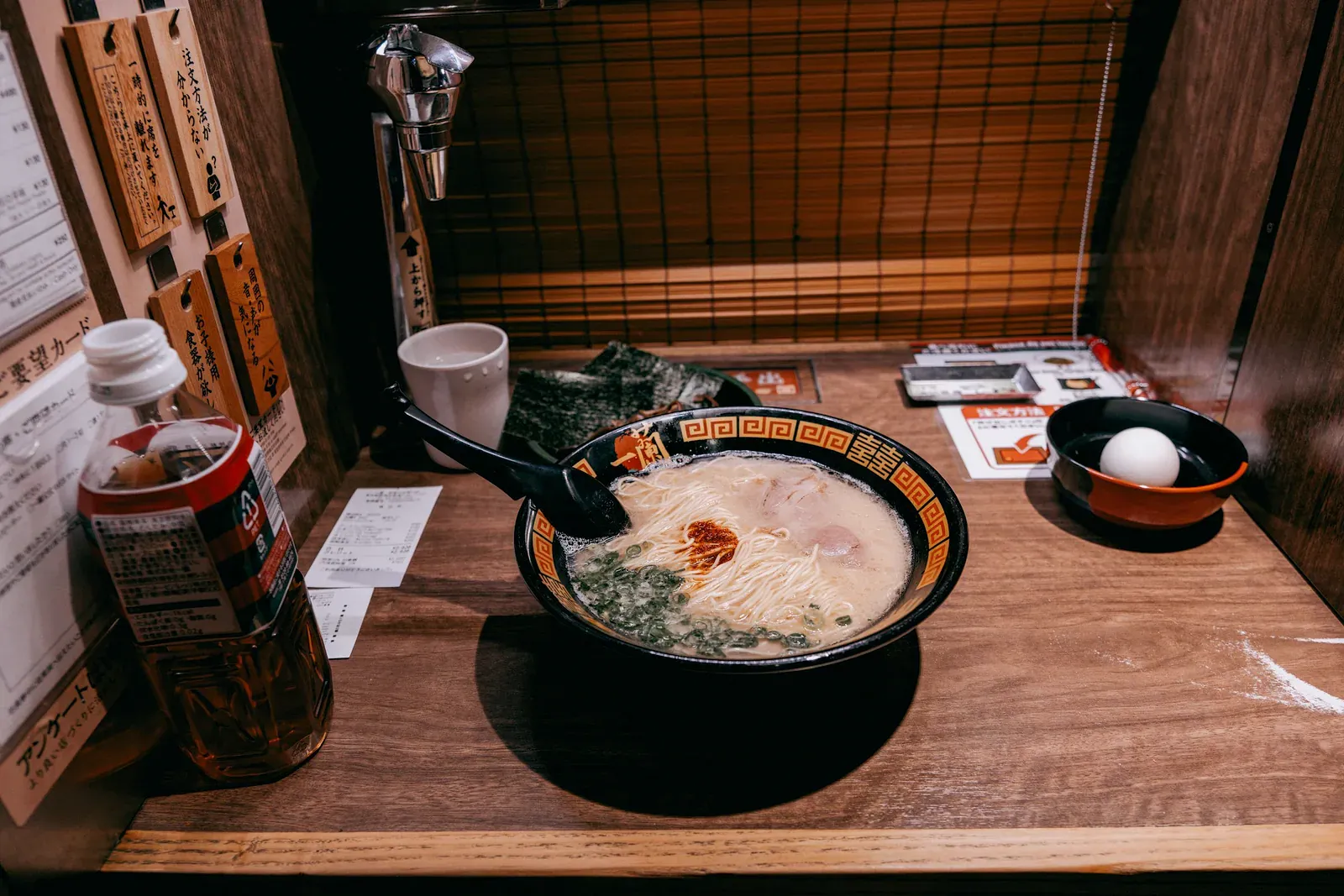
Payment methods differ by shop. Ichiran’s official store page lists QR codes, cards and IC cards at the machine, says this varies by store and warns that a machine can be down for maintenance. Do not assume a machine takes only cash, or only cards. Secondary travel guides add two single-source tips: some machines reject notes of $32 (¥5,000) and above, so carry $6 (¥1,000) notes, and some machines have an English button.
JNTO calls ramen a quick meal, so do not linger, especially when people queue outside. A line is often a sign of quality.
What is otoshi, and do you pay it?
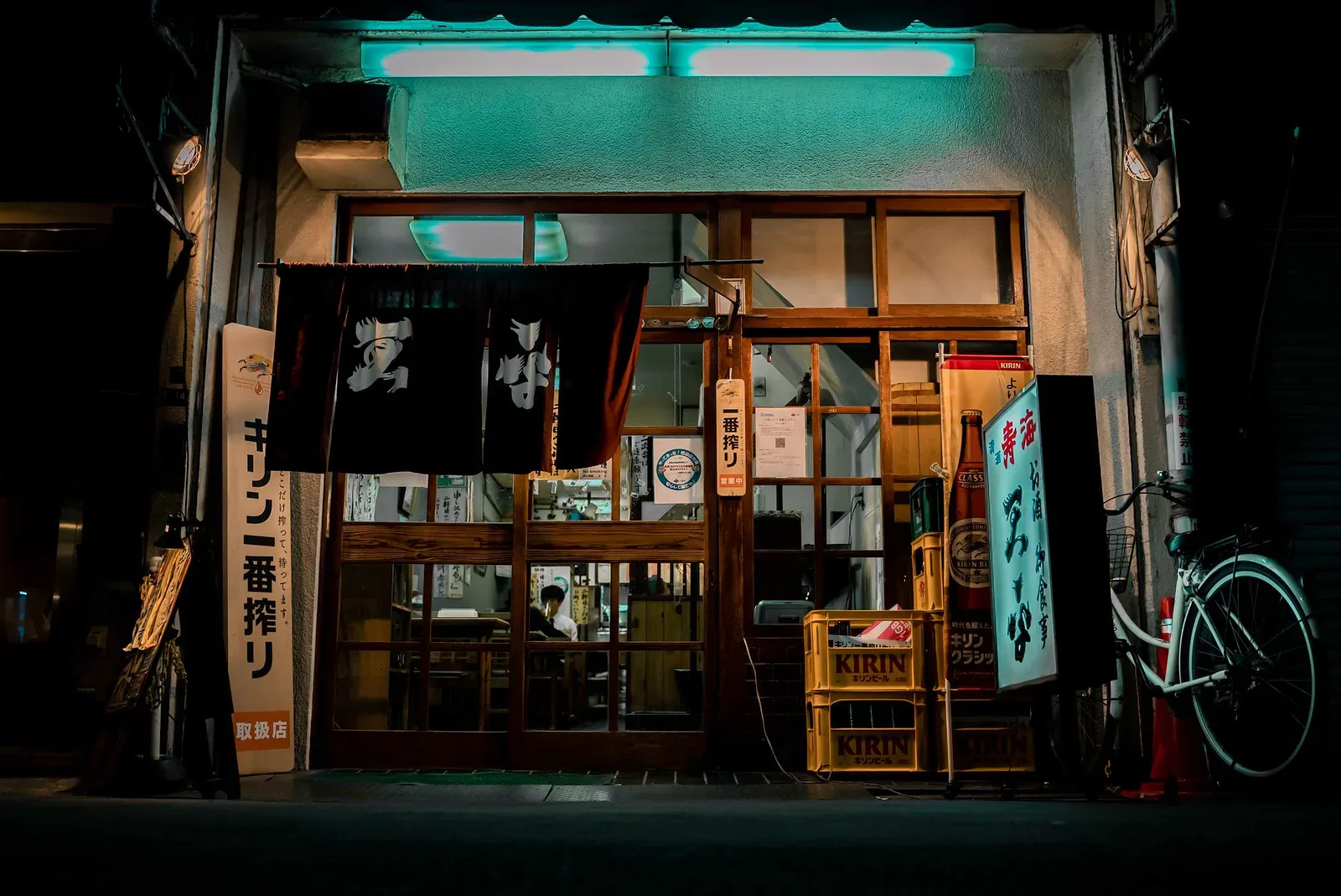
Otoshi is a small dish that an izakaya serves automatically, and it works as a table charge. JNTO says it is not free and you cannot choose or swap it. The cost goes on your bill.
Not every chain charges it. Torikizoku says on its official page that it has no otoshi, seat or late-night charge.
Before you go Look for the table charge on the menu or the sign, and ask staff if it is not shown. Say your diet needs as soon as you sit down, because the dish arrives before you order.
How does sushi ordering work?
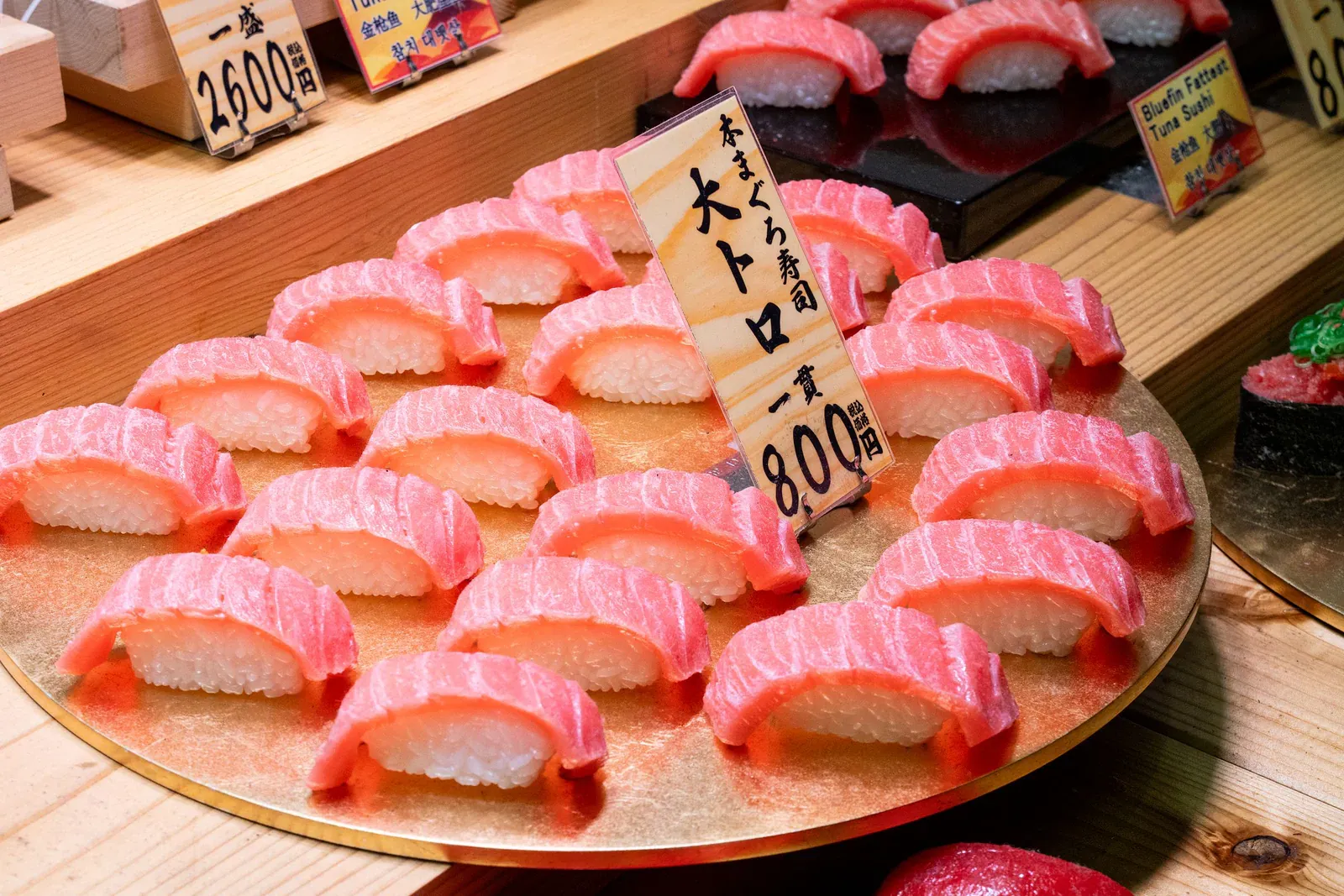
Conveyor sushi is self-service. You lift plates off the belt, and the plate colour sets the price, from $1 (¥100) a plate. Do not return plates to the belt. Tea is usually self-serve, and if you sit at the counter you order from the chef.
A sushi counter has its own manners, per JNTO:
- Dip the topping, not the rice, in soy sauce.
- Ginger between pieces is a palate cleanser.
- Eating with your hands is fine.
For omakase, JNTO says bookings are a must, and a same-day walk-in is hard.
What are the chopstick and bowl rules?
JNTO’s food etiquette guide sets the rules at the table. Slurping noodles is fine.
| Item | Rule |
|---|---|
| Chopsticks | Never stand them upright in rice. Never pass food from chopsticks to chopsticks. |
| More chopsticks | Do not point, spear food, use them as a spoon, pull plates with them or hold both in one hand. |
| Bowls | Lift the bowl to your mouth. Break food into pieces. Do not eat from the bottom up or take a dish apart. |
| Shared plates | Take food onto your own small plate first. |
| Finishing | Finish your meal. Keep your elbows off the table. |
| Set meal | Rice sits front left, sides behind, soup front right. |
| Drinks | Pour for others, not yourself. Hold your glass while it is poured. |
| Refills | An empty glass signals you want a refill. Leaving a drink unfinished is fine. |
How do queues and waitlists work?
Queues are orderly and nobody cuts ahead. JNTO’s customs page says to follow signs and floor markers.
Some restaurants keep a list at the entrance. Write your name, your party size and the seat type you want, counter or table. Chains, family restaurants and ramen shops usually seat people first come, first served. Some restaurants also limit table time, often to about 2 hours, so confirm it when you book.
How do visitors book a table?
Visitors book through a foreign-language booking page, browser translation or a concierge call. JNTO’s reservations guide covers the routes:
- Many restaurants have foreign-language booking pages.
- On a Japanese-only site, use browser translation.
- If a venue takes phone bookings only, a hotel concierge or a travel agent can call for you.
- Reservations are often needed in popular downtown areas.
Some booking services ask you to reconfirm 24 to 48 hours ahead. Booking times are in Japan Standard Time.
JNTO says some venues require a deposit or credit card details, and the deposit can be forfeited or a fee charged for a no-show or a late cancellation. Each venue sets its own amount, and none was found. Set menus are served to the whole table together, so arrive on time and tell the venue if you are late.
Before you book Read the cancellation terms before you confirm. Cancel as early as you can and arrive on time.
What if you have an allergy or a diet?
Say it before you order. JNTO’s FAQ says not every place shows allergy information, and that with a severe allergy you should check ahead and confirm with staff. The mandatory allergen list for packaged food is in the food allergy card.
The Tokyo Metropolitan Government publishes an allergen communication sheet in Japanese, English, Simplified Chinese, Traditional Chinese and Korean. It is aimed at restaurants and can be used at the table.
For vegetarian or vegan meals, JNTO says dashi, a fish stock, is a common hidden ingredient. Ask for no meat, seafood or animal products, including dashi, and name chicken, pork and fish. Carry a Japanese card, and tell the venue when you book, especially for set menus. JNTO adds that simply asking for vegetarian may not be enough.
What is not confirmed?
No official source gave these ordering details, so none is stated:
- Izakaya order flow, last order time and all-you-can-drink rules.
- The typical otoshi amount.
- Rules at standing bars.
- An official statement on dining alone.
- Splitting a bill.
- QR code or tablet ordering at restaurants.
Where next?
The Food hub lists every food page, and the Food guide covers dishes by region. For tipping, cards and tax, read Tipping and paying in Japan. For prices, see What a meal costs in Japan.
Questions
You pay first. Insert money, press your choice of noodles, drinks and sides, take your change, hand the printed ticket to staff and sit. JNTO's ramen guide adds that some shops take orders from staff instead.
Otoshi is a small dish an izakaya serves automatically. It works as a table charge, so you pay for it, and you cannot choose or swap it. No official typical amount was found.
Often in popular downtown areas, and always for omakase sushi, where JNTO says bookings are a must. Chains, family restaurants and ramen shops usually seat walk-ins first come, first served.
Not always. Some venues take a deposit or card details and charge a fee for a no-show or a late cancellation. Each venue sets its own amount, and none was found. Cancel as early as you can.
No. JNTO's food etiquette page says slurping noodles is fine.