Answer · Answers
What do junmai, ginjo and daiginjo sake mean?
Fact
Junmai means rice, koji and water only, with no added alcohol. Ginjo has 60% or less of the rice grain left after polishing, and daiginjo 50% or less. A lower figure means more polishing.
The detail
The Japan Sake and Shochu Makers Association sorts special-designation sake by the share of the rice grain left after polishing and by whether alcohol is added. Junmai in a name means no added alcohol. Junmai on its own has no polishing minimum, so the word alone does not say how far the rice was polished.
- Junmai daiginjo: 50% or less, no added alcohol, koji rice 15% or more.
- Daiginjo: 50% or less, added alcohol allowed, koji rice 15% or more.
- Junmai ginjo: 60% or less, no added alcohol, low-temperature fermentation.
- Ginjo: 60% or less, added alcohol allowed, low-temperature fermentation.
- Honjozo: 70% or less, with brewer’s alcohol up to 10% of the polished rice weight.
Tokubetsu junmai and tokubetsu honjozo sit at 60% or less, or a special method.
More to read
- Can I drink alcohol in public in Japan?Yes, nationally: the Japan National Tourism Organization says outdoor drinking is not illegal and hanami picnics are normal, but advises against street drinking. Shibuya bans it around the station from 18:00 to 05:00; other bylaws vary.
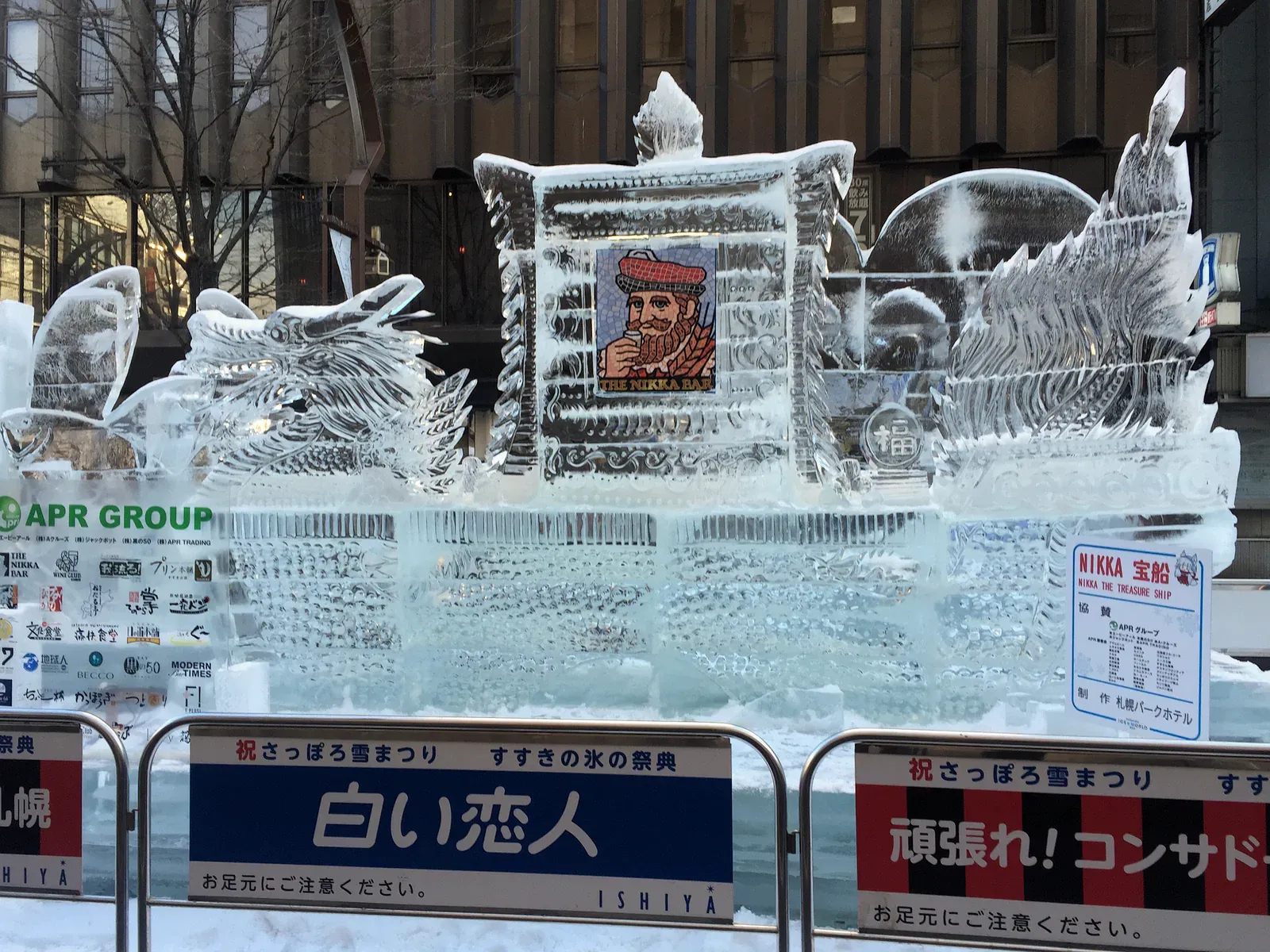
- When is the Sapporo Snow Festival in 2027?4 to 11 February 2027 (Thursday to Thursday) at Odori, Susukino and Tsudome. Book a room now with free cancellation: the dates are fixed, and no official lead time or 2027 hotel price is published.
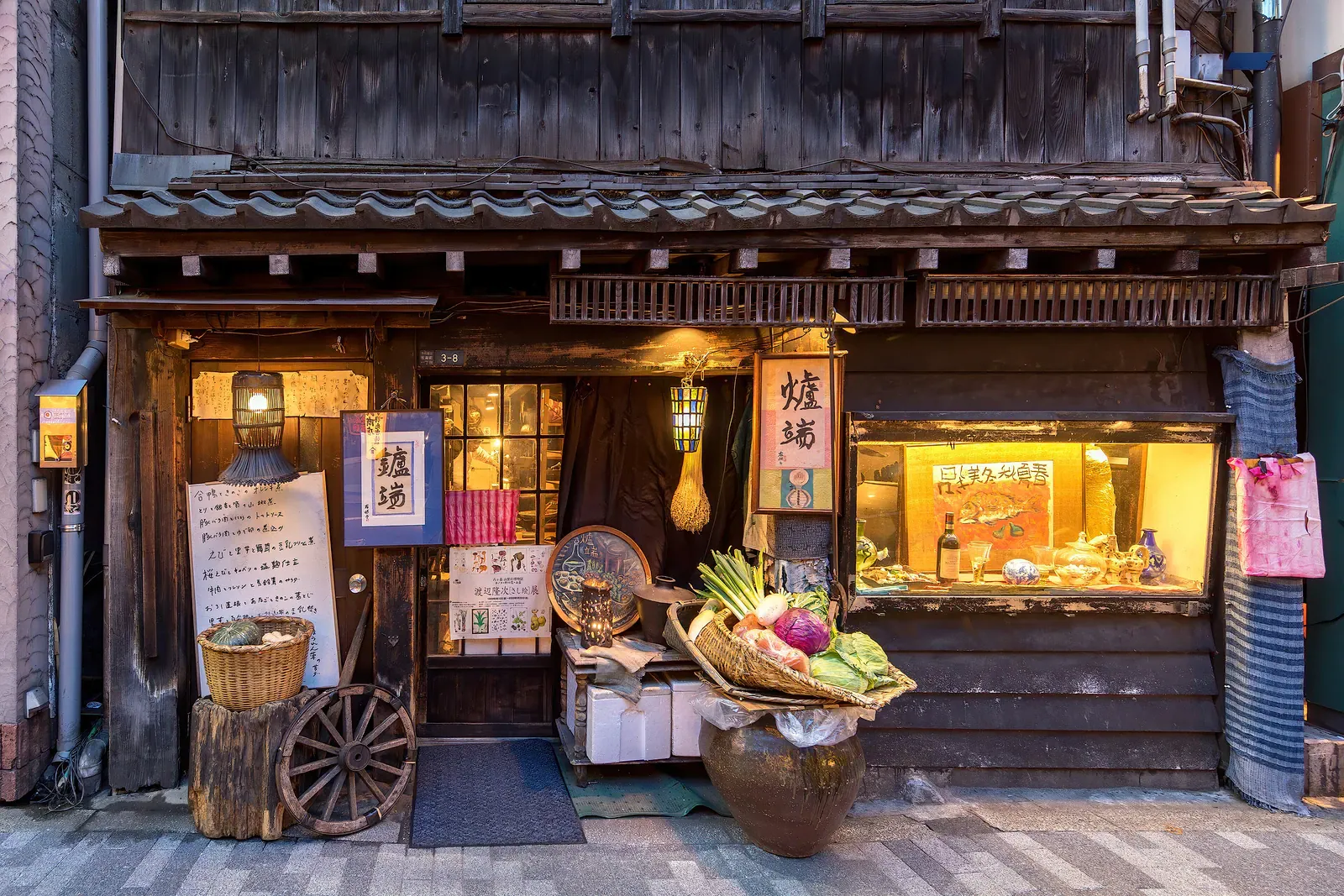
- Is it safe to eat out in Japan with a severe food allergy?Depends on the venue. Not every place shows allergy information, so with a severe allergy check ahead and confirm with staff before you order. The legal list of 9 allergens covers packaged food only.
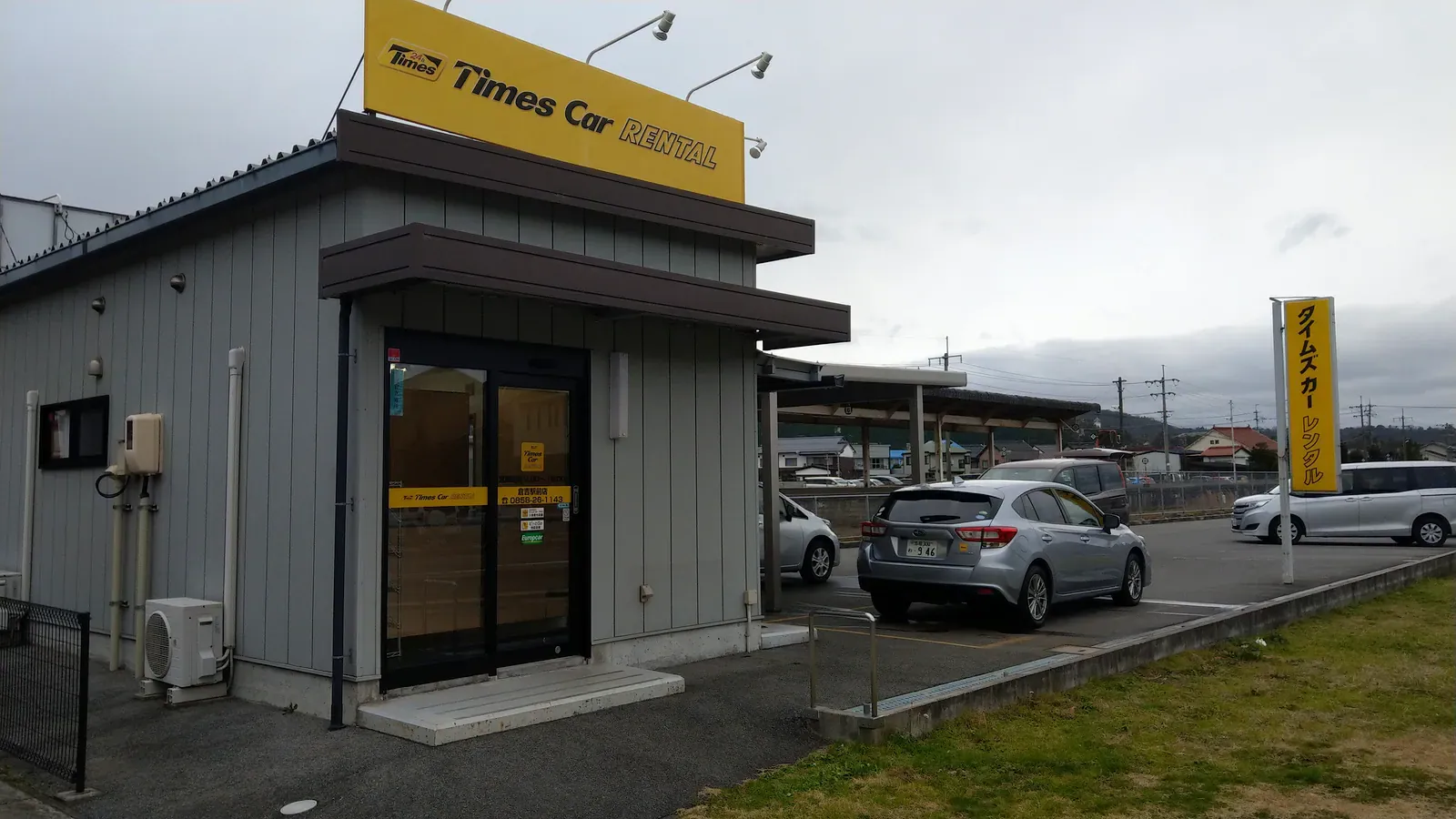
- What is shaken and how often is it due?Shaken is Japan's vehicle inspection. A new car is inspected after 3 years, then every 2 years; the cycle is not confirmed on a page read. An official total for a shaken bill was not found.
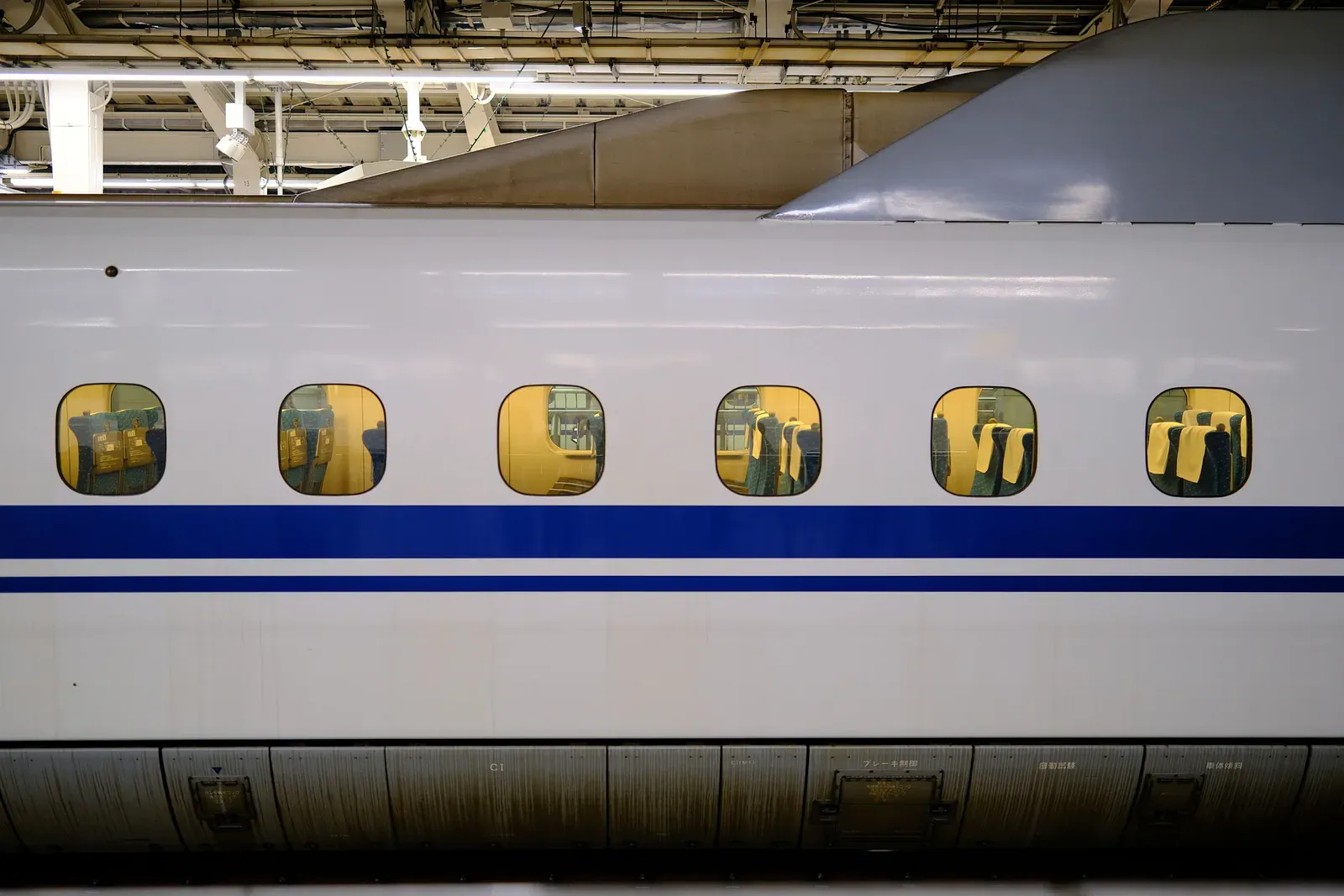
- Can I take large suitcases on the shinkansen?Yes, on JR Central lines a bag up to 160 cm (length plus width plus height) needs no reservation. 161 to 250 cm needs a reserved oversized-baggage seat or a ¥1,000 (about $6) fee. Over 250 cm is not allowed.
Questions
- Every answer starts with
- Yes
- No
- Depends
- Not yet
- Fact
What people ask next
Sources
- Japan Sake and Shochu Makers AssociationLabel guide, glossary and shochu basics pageschecked November 2026
Checked November 2026