Answer · Answers
What is the difference between matcha and sencha?
Fact
Shading and processing set them apart: matcha is tencha, a shaded tea, ground in a stone mortar. Sencha grows in the open air, then is steamed, rolled and dried. Gyokuro is shaded for 20 days or more.
The detail
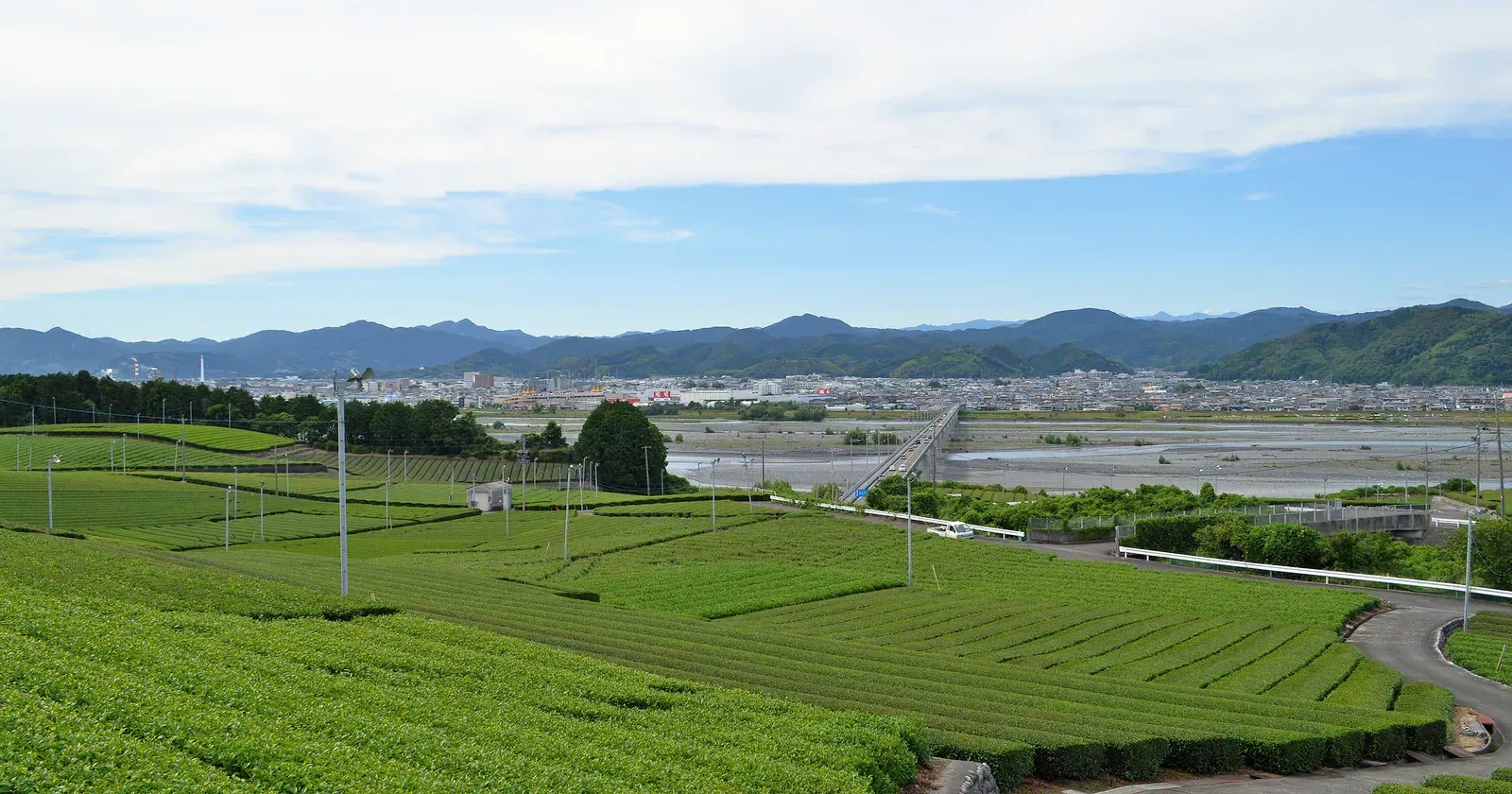
The Ministry of Agriculture, Forestry and Fisheries (MAFF) sorts Japanese tea by how it grows. Tencha, gyokuro and kabusecha are shaded; sencha, hojicha and kyobancha grow in the open air. MAFF says shading makes tea less bitter and gives more umami. Gyokuro is shaded for 20 days or more.
Matcha starts as tencha: shaded leaf, steamed and dried unrolled, then ground in a stone mortar. Sencha is open air, steamed, rolled and dried, from the first or second pick. Gyokuro is then steamed, rolled and dried. Kabusecha is shaded for fewer days, with a gyokuro-like flavour and a sencha-like aftertaste. Hojicha is roasted sencha.
Uji’s first pick runs from late April to late May and goes to tencha and gyokuro.
What to do next
- If you want to taste tea at a ceremony, read Where to try a tea ceremony.
- If you want styles and etiquette, read Japan tea ceremony guide.
- If you want regions and picking seasons, read Japanese tea regions.
More to read
- How do I book a tea ceremony in Kyoto as a tourist?Depends on the venue. Camellia Tea Ceremony lists shared sessions from ¥4,000 (about $26) and private from ¥8,000 (about $52) but states no booking steps. The Ookini Foundation's Gion Corner sells a ¥6,050 (about $39) tea seat online.
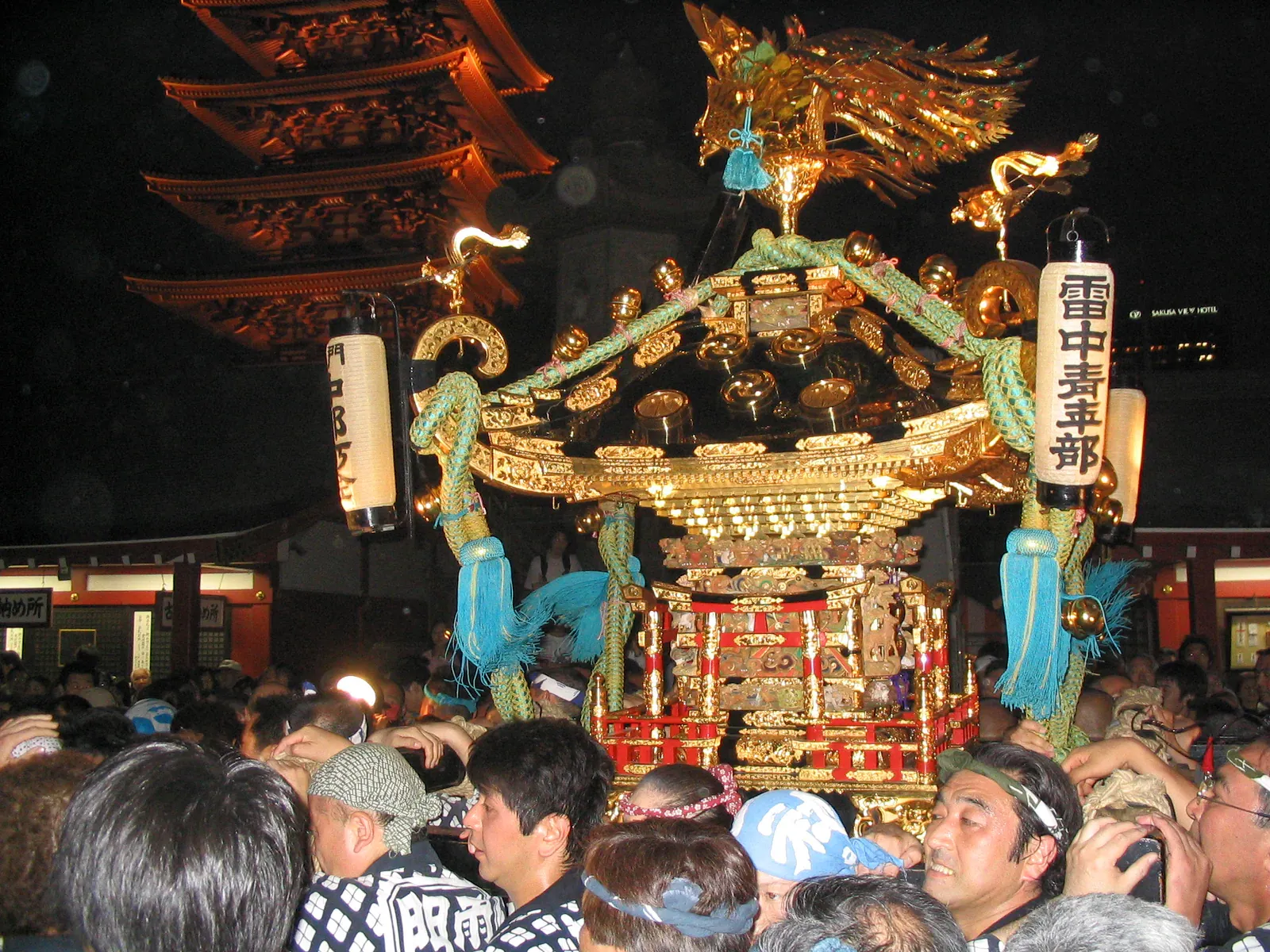
- When are Japan's major matsuri in 2027?Only the Sapporo Snow Festival has confirmed 2027 dates: 4 to 11 February 2027. Gion Matsuri, Jidai Matsuri and Nebuta Matsuri have last-known 2026 dates or yearly patterns, with no 2027 notice.
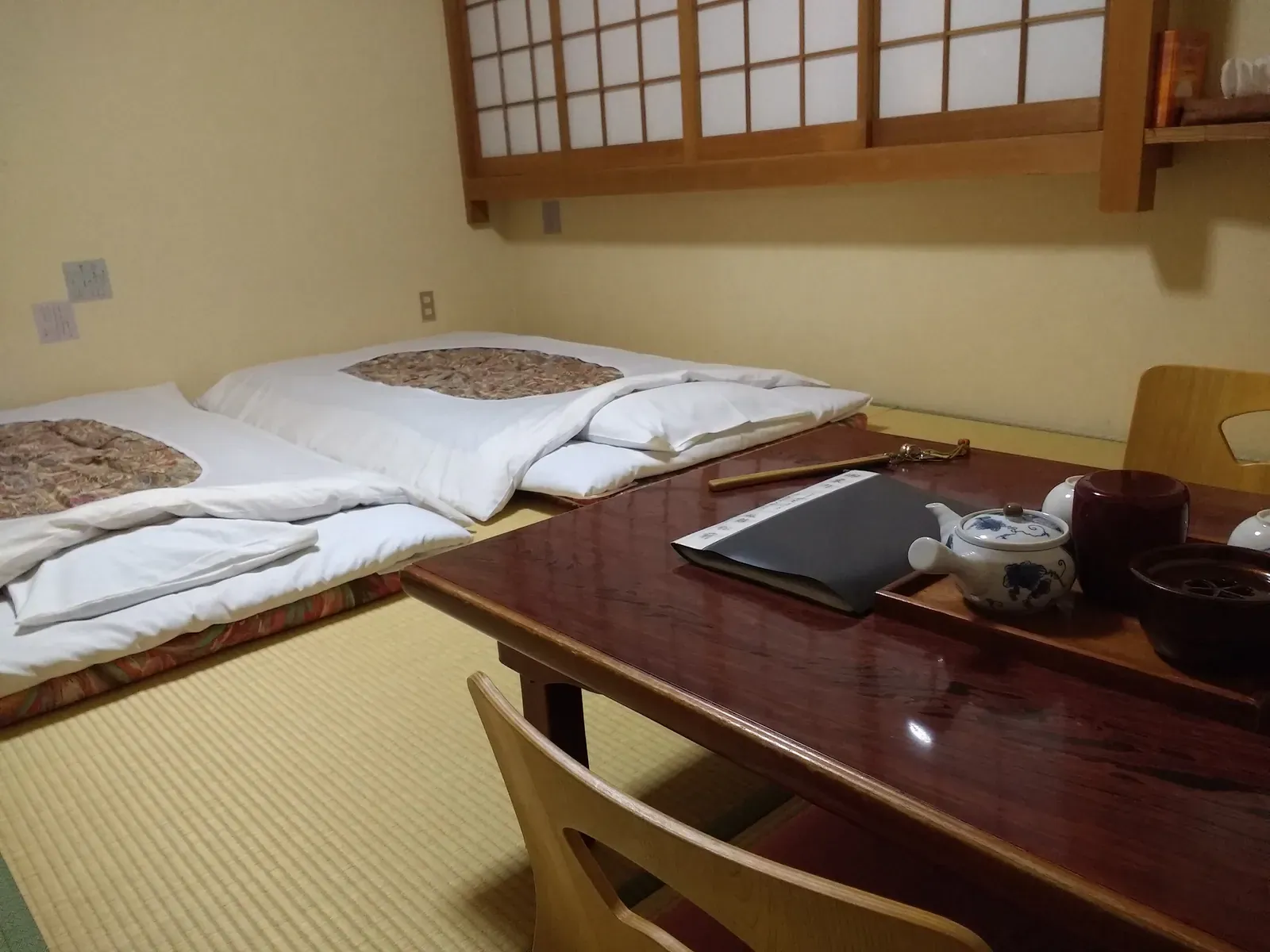
- Can a foreigner run a guesthouse or minpaku in Japan?Depends on the type. A minpaku is notified to the prefecture and capped at 180 nights a year; a ryokan or hotel needs a Hotels and Inns Business Act permit with no cap. Residence status is a separate question.
- Is miso soup vegetarian?Depends on the dashi. The Japan National Tourism Organization (JNTO) names fish stock (bonito) as a common hidden item. Secondary guides sort 2 stocks as plant-based, kombu and shiitake, and 3 as fish. Plain dashi: assume fish.
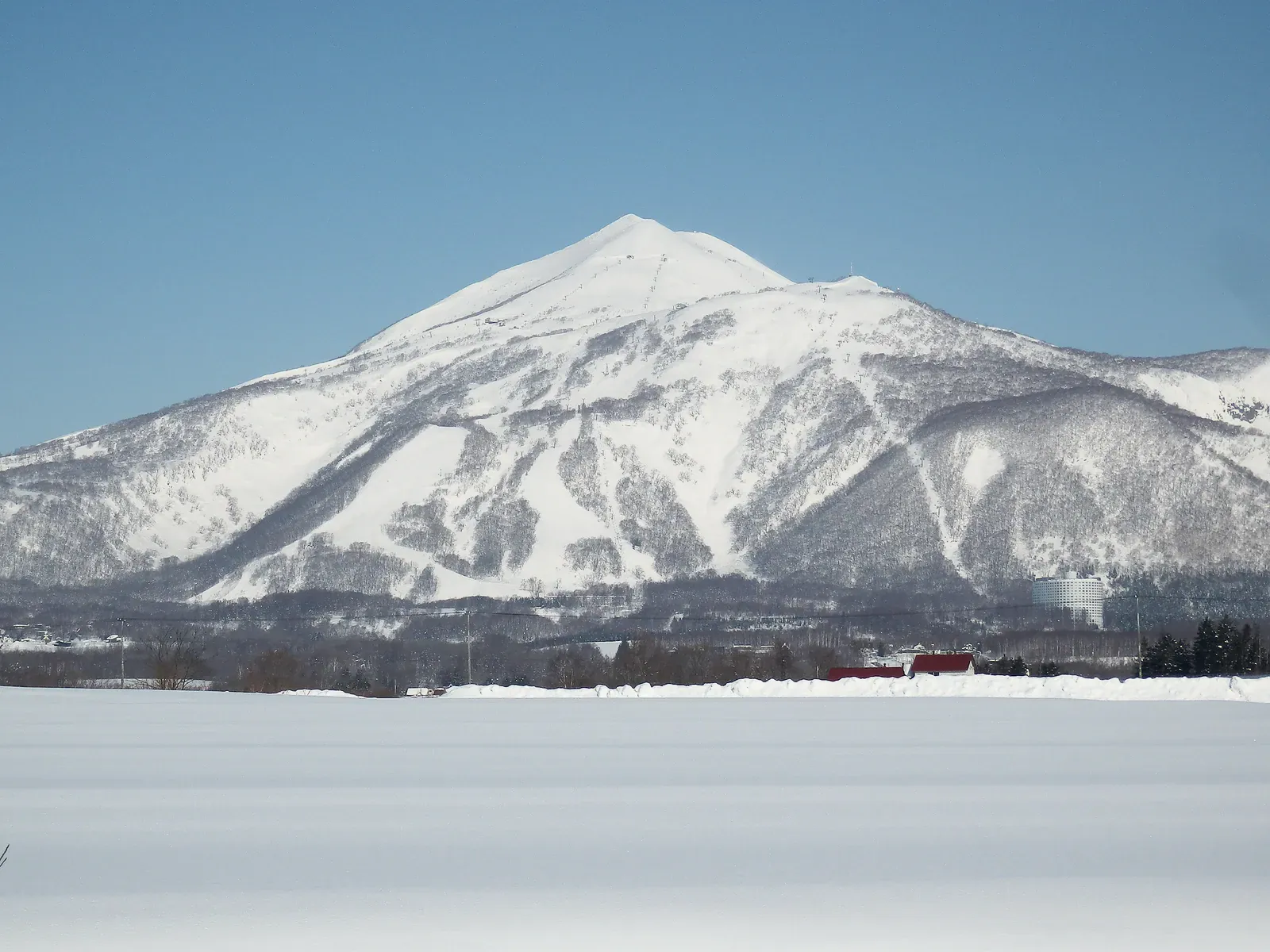
- Can I ski Niseko backcountry through the gates without a guide?Yes, the Niseko Promotion Board's Rules page states no guide requirement. You must use the official gates, only when open, and the page asks for a helmet and beacon. Rescue costs at least ¥100,000 (about $645).
Questions
- Every answer starts with
- Yes
- No
- Depends
- Not yet
- Fact
What people ask next
Sources
- Ministry of Agriculture, Forestry and FisheriesJapanese tea types pagechecked November 2026
- Ministry of Agriculture, Forestry and FisheriesUji tea pagechecked November 2026(opens in a new tab)
Checked November 2026 · Official pages open in a new tab.